

A Glimpse into the Future of Work
Imagine walking through a bustling warehouse in 2040—robots and humans seamlessly completing tasks together, working in harmony. In this world, collaborative robots, affectionately dubbed “cobots,” do more than assist; they enhance human capabilities. But what if I told you that despite this futuristic image, many businesses continue to grapple with outdated automation solutions that just don’t cut it anymore?

Understanding the Cobot Revolution
The landscape of manufacturing is transforming, driven by the rapid emergence of cobot technology. Unlike traditional industrial robots that operate in isolation, these friendly machines are designed to work alongside humans. They can adapt to various tasks, from assembly to packaging—creating a more flexible environment that fosters productivity. Ironically, many organizations still cling to rigid systems that frustrate their workforce, overlooking the potential of these advanced machines. Trust me, I’ve seen firsthand how cobots can alleviate the mundane grind and inject excitement back into the workplace.
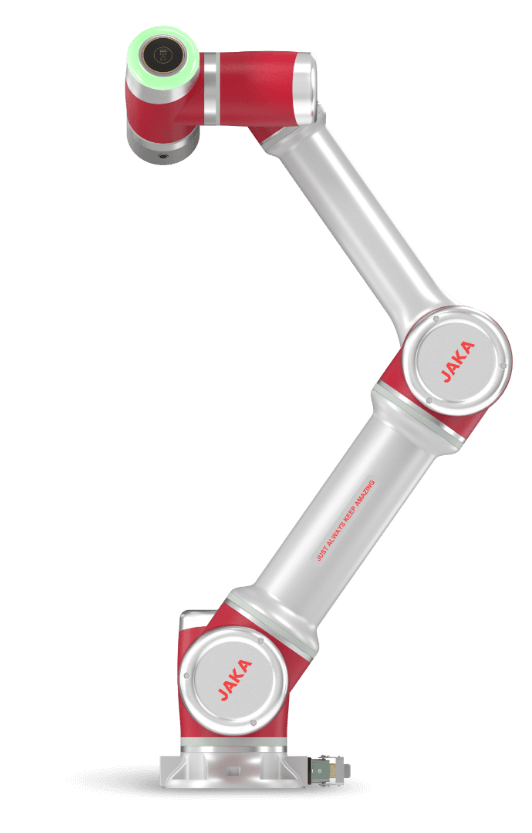
Are Cobots the Key to Overcoming Automation Fatigue?
Current automation solutions often miss the mark—they implement complex systems with rigid parameters that limit creativity and innovation. It’s crucial to recognize which flaws in traditional automation can be alleviated with cobots. Take, for example, the challenge of securing skilled labor. I remember a time, back in 2021, when a major manufacturer struggled to meet production targets due to labor shortages. Their solution? Implementing cobots! They effectively compensated for missing workforce hours while boosting morale among existing employees, who found their workflows significantly enhanced. This not only ramped up productivity, but it also cut lead times by an impressive 20%—big wins all around!
The Way Forward with Cobots
Reflecting on the past, I can’t help but marvel at how far we’ve come with cobots. Today, they deliver not just efficiency but a more intelligent approach to labor. Companies that invest in these collaborative robots will find themselves at a tremendous advantage in the marketplace. As we look ahead, it’s essential for industries to understand how to integrate these robots effectively. How do we ensure machine and human collaboration achieves true synergy? I propose a multi-faceted approach focusing on training, ongoing support, and a willingness to evolve.
Breaking Ground for Real-World Impact
We’re standing on the precipice of a significant shift. Organizations can’t afford to maintain the status quo while others rush ahead to integrate advanced automation technologies like cobots. I’ve recommended focusing on three core principles when assessing potential solutions: adaptability, safety, and return on investment. These metrics will guide you in selecting the right cobot for your environment—a choice that can reshape your workforce and overall production capabilities. By aligning technology with human operators, you create an innovative workspace that is both effective and enjoyable. How’s that for a new vision of work?
In summary, the integration of collaborative robots represents not just a technical evolution but a cultural transformation within industries. It’s not just about higher output; it’s about healthier, happier work environments. As I look forward, of course, the possibilities seem endless. We can’t overlook how far we’ve come and what’s on the horizon. It truly feels like we’re just getting started. Don’t let your company get left behind—consider the advantages offered by JAKA’s cobots for a brighter, more efficient future.