
Problem — packs that promise the world and bail on the sidewalk
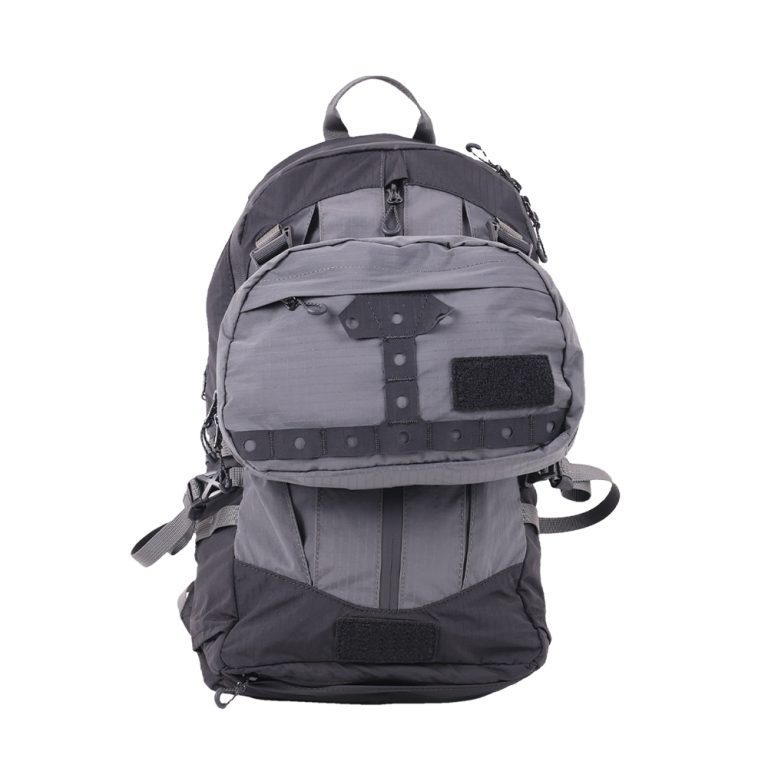
Yo, you paid for build and style but half the time the seams split, zippers jam, or the straps sag — that’s a quality problem, not a mystery. Brands gotta stop guessing and start testing. If you want something that switches from commute to trail without drama, peep the modular backpack to know what a thoughtful layout feels like; then use tests that actually prove the claim.

Where products usually fail
Listen: failures cluster around materials, assemblies, and hardware — fabric abrasion and coating breakdown, seam and stitch failure, zipper teeth and slider wear, buckles that snap, and waterproofing that’s only a marketing word. Load-bearing points get the worst of it when testing’s weak or skipped.
Tests that actually matter — no fluff
Start with material checks: tensile and tear resistance, abrasion cycles, and coating adhesion for water resistance. Hardware needs life-cycle testing: zipper cycle tests, pull-strength checks, and salt-spray for metal corrosion. Seams need static and fatigue load tests plus stitch-density verification. Straps and attachment points get drop and long-duration load tests. For coatings and fabrics, hydrostatic head or water column measurements prove real waterproofness, not just a DOT sticker.
How to run the tests without wasting time
Use measurable protocols: tensile testers for fabric strength, Martindale or Taber abrasion machines for wear, and 10k+ zipper cycles for closures. Record failures with photos and failure-mode notes. Random-sample production batches, not just top-line prototypes. Track corrective actions and validate fixes on repeat samples — same test, same rig, repeatable data. Don’t rely on eyeballing; numbers catch patterns.
Common mistakes that blindside brands
Skipping end-use simulation is the killer — a bag for daily delivery work needs tougher tests than a fashion piece. Another mistake: trusting a single supplier cert without independent checks, and ignoring real-world contamination like salt, dirt, and sweat that accelerate wear. Also, misreading pass/fail thresholds — a spec that’s fine for a tote might be garbage for a heavy-duty pack.
Experience and expertise — grounded in the factory lane
I’ve audited QC lines and reviewed test logs in Shenzhen, where most high-volume bag making happens; that on-the-floor perspective shows which test data actually predicts field longevity. For teams sourcing overseas or building product specs, work with a proven custom backpack manufacturer that documents test protocols, failure modes, and corrective actions so you get repeatable quality, not sketchy claims.
Viable alternatives and quick comparisons
You can outsource testing to independent labs for certification or keep in-house rigs for fast feedback; labs give credibility, in-house gives speed. Small brands can pair spot lab runs (for standards) with frequent in-line sampling — that combo crushes surprises without killing margins. If you must choose, prioritize tests tied to function: if your product’s weight-bearing, prioritize strap and seam tests over cosmetic abrasion.
Final word — real tests, real packs
Stop treating QC like a checkbox. Do proper material, assembly, and hardware tests keyed to how the bag will actually be used, verify fixes, and demand clear test records from your makers; that’s how you turn promises into products. Firms that integrate testing into the build process, like ChangRong, show how consistent QC maps straight onto bags that survive the city and the trail without excuses.