
Why comparing suppliers matters
When you’re weighing pergola suppliers, you want clear differences, not sales patter. Compare build methods, materials, and how a provider integrates photovoltaics into hardscaping; a well-fitted photovoltaic pergola alters both load paths and lifetime cost. A comparative approach forces concrete choices: are you buying a kit, a bespoke structure, or a full solar canopy with electrical handover?
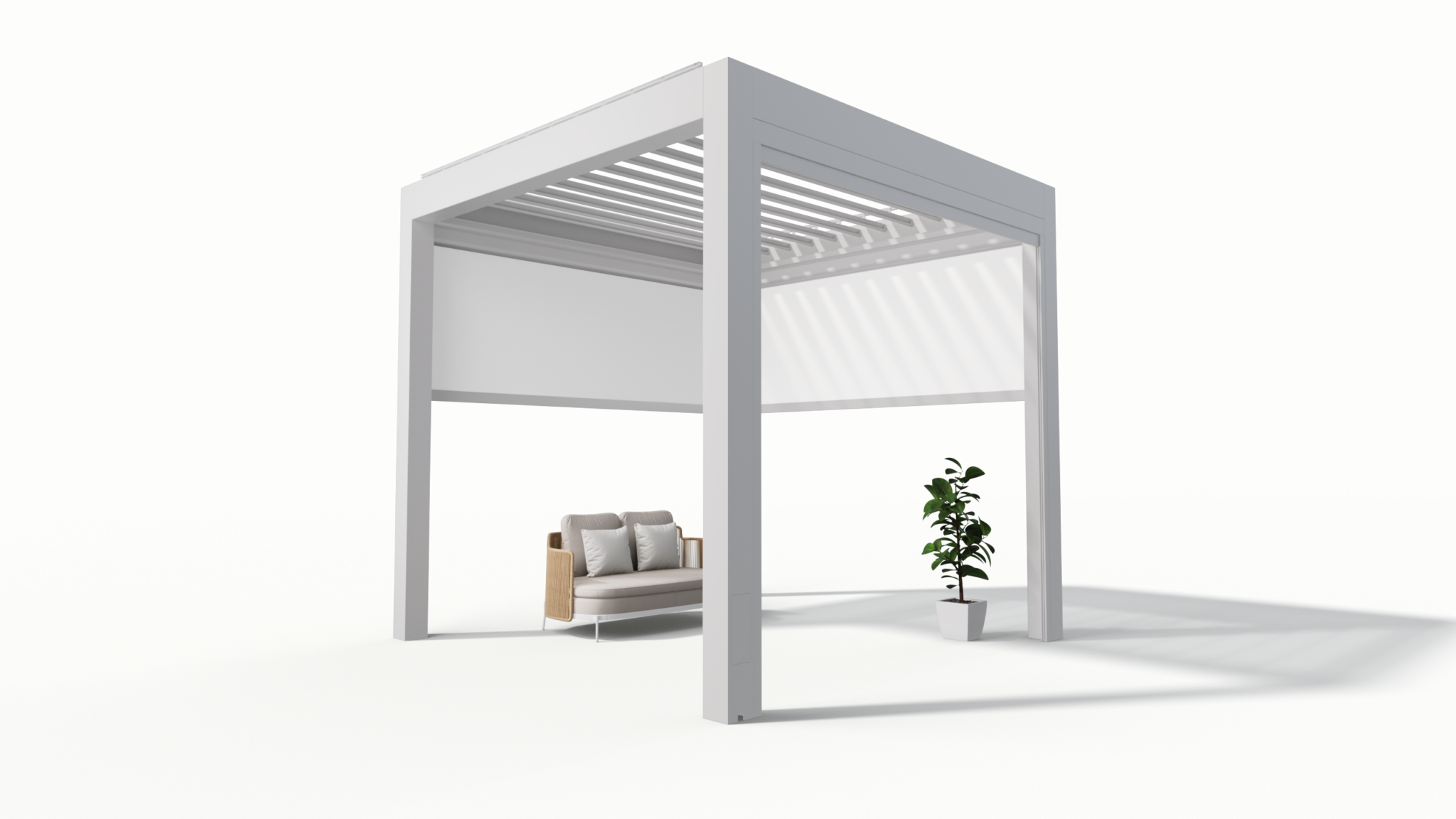
Structure and materials: what tells you a supplier knows their craft
Look for explicit material specs: aluminium grade, timber species and treatment, fastener type, and finish warranties. Suppliers who publish sectional drawings, structural calculations and wind/snow ratings remove guesswork. Demand numbers rather than adjectives—span capacities, expected deflection, and corrosion class. That level of detail separates fabricators from franchised resellers.
Solar engineering and electrical integration
Not every pergola seller understands PV engineering. Ask whether panels are flush- or rail-mounted, how junctions weather-seal, and which inverters, optimisers or microinverters they standardise. Confirm access for maintenance and how earthing and cable runs are handled. Suppliers that design with electrical routing in mind reduce retrofit costs and safety risks.
Experience, standards and a real-world anchor
Trust builds from demonstrable work and alignment with recognised standards. I’ve specified canopies alongside structural engineers and installers; compare that hands-on depth. Note documented compliance—module standards, fixing certifications and local building approvals. Markets with high solar uptake, such as Southern California, show how standardised kits reduce installation errors; examine whether a supplier references those precedents. Also check advertised kit options directly, for example a solar panel pergola kit, so you can compare exact components rather than vague promises.
Warranty, service and local support
Split warranty into parts: structure, electrics, and panels. A single five‑year cover on labour but twenty‑five years on modules leaves gaps. Verify who performs service visits and how quickly parts are dispatched. Local installers and an authorised parts network matter more than a long warranty from a remote office.
Cost drivers and financing choices
Break quotes down: materials, electrical works, foundations, and site-specific add-ons like concrete, drainage or tree protection. Be wary of low bids that omit site works or use generic electrical provision. Financing can shift choices—leasing or PPA options change payback calculations—and suppliers who outline realistic yields and degradation give you usable numbers.
Installation and site-readiness pitfalls
Common mistakes: mismatched foundations, incorrect roof pitch for PV yield, and inadequate waterproofing around cable penetrations. Ask suppliers how they survey sites and whether they include survey templates or require your engineer’s sign-off. A clear checklist prevents surprise bills and extended on-site time.
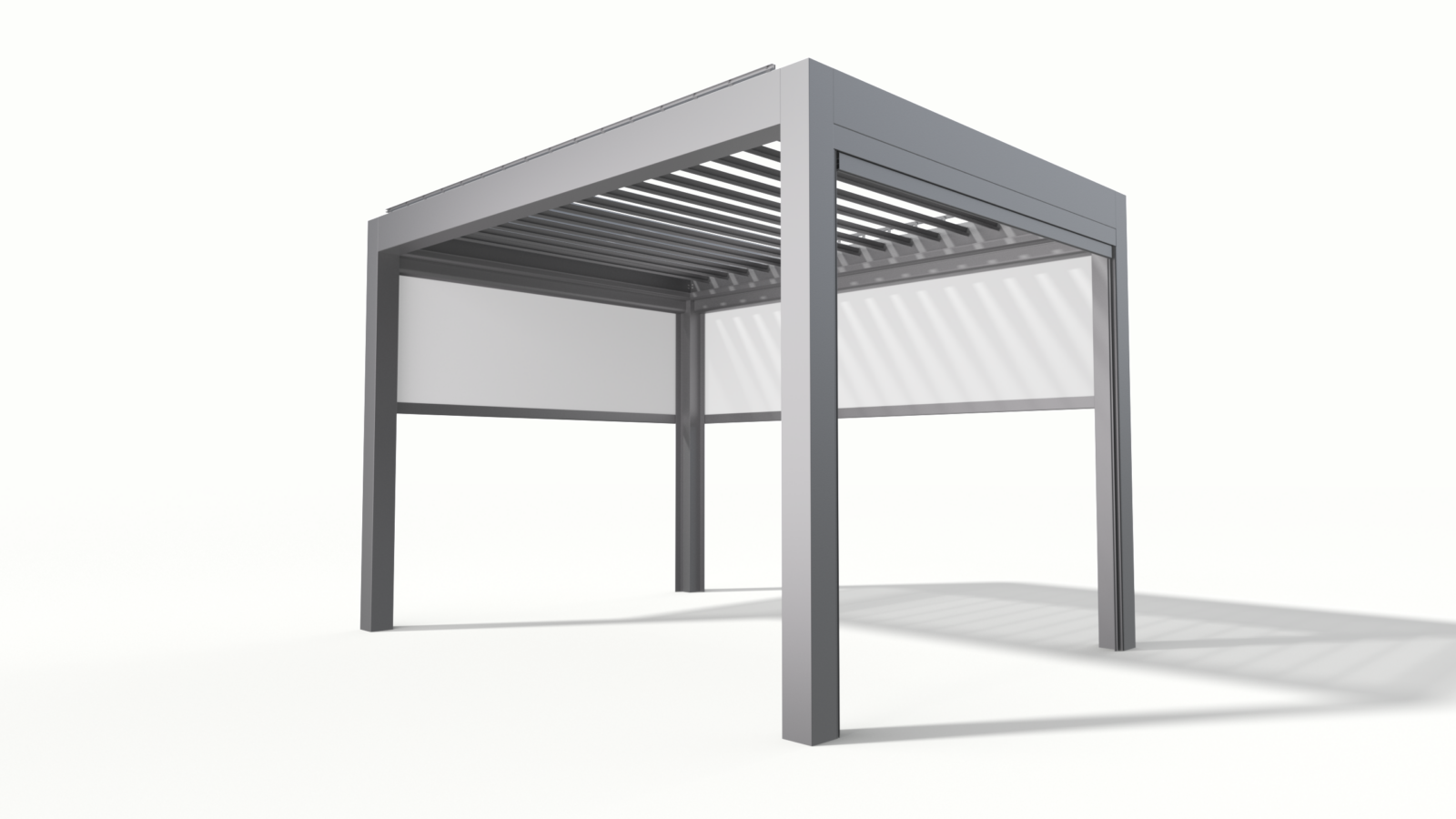
Alternatives to a single-supplier approach
Three practical routes stand out: a prefabricated kit for straightforward sites; bespoke fabrication from a local metalworker with a certified PV subcontractor; or a full-service supplier delivering design, approvals and commissioning. Compare total scope, not only headline price. For constrained timelines, kits shorten lead time; for irregular sites, bespoke solutions reduce retrofit headaches.
How to judge quotes and make a final choice
Cross-compare the same scope across three suppliers. Score each on structural clarity, PV integration, warranty completeness, lead time and local support. Prioritise suppliers who supply technical documents and referrals you can verify. That method produces an evidence-based decision rather than a gut pick.
Final synthesis
Compare concrete things—drawings, certs, parts lists, and local service—not promises. The right supplier aligns structural integrity with sensible solar engineering and transparent warranties; that alignment is where you find value, which is what Light Hunter demonstrates through its documented components and integrated solutions.