
Introduction — why compare CRB designs now
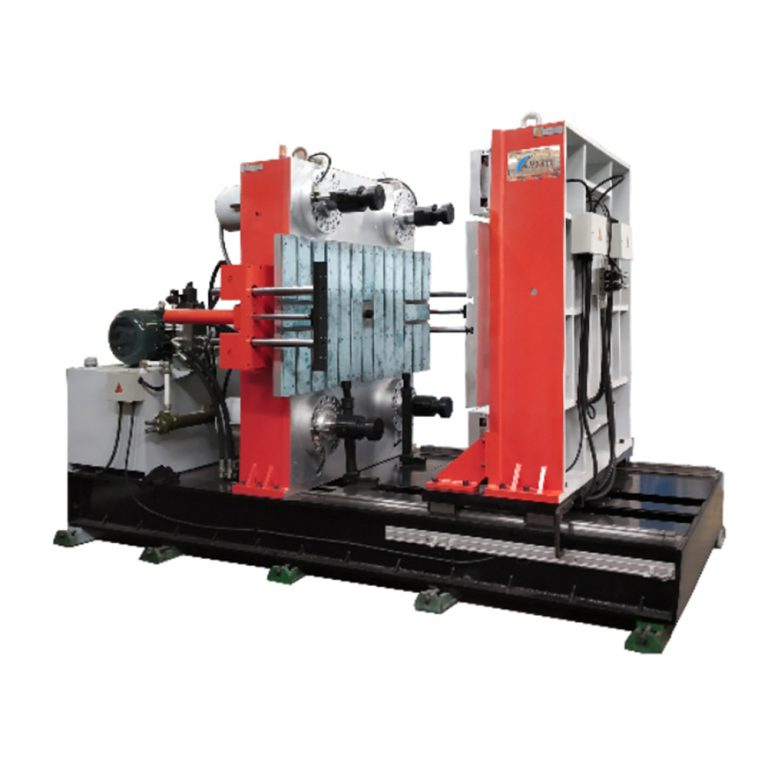
For procurement teams evaluating C‑frame rubber injection systems, the cold runner block (CRB) often separates acceptable from optimal performance. This comparative insight lays out side‑by‑side metrics so decision makers can choose machines that deliver predictable cycle time and material yield. Many manufacturers already test on a horizontal rubber injection molding machine platform; our approach compares those test outcomes rather than abstract claims.
What the CRB controls and why it matters
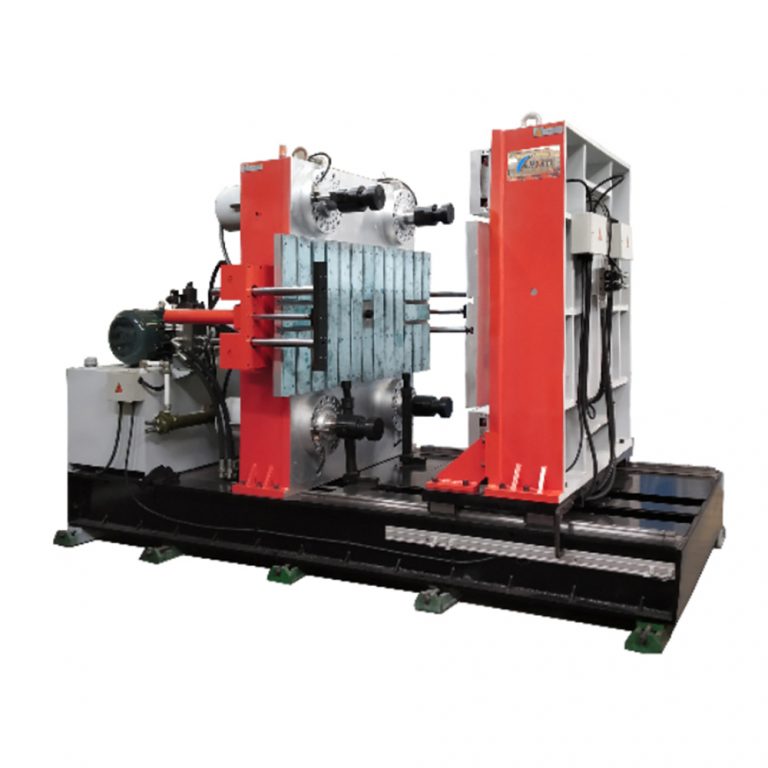
The CRB governs melt distribution, residual material waste, and cooling path. Key consequences include shot weight stability, cavity balance, and scrap rate. When two machines claim identical clamping force, differences in CRB geometry and runner volume will still produce different effective shot delivery. Engineers use CRB assessment to predict process window and part consistency.
Comparative metrics that reveal true efficiency
Compare suppliers across these measurable items: runner volume per cavity (ml), cooldown time to ejection (s), and variance in shot weight (mg). Add tooling lifecycle (number of cycles before maintenance) and ease of cleaning. Use bench tests with consistent LSR or rubber grade to normalize results. These metrics give tangible data beyond marketing; they let you rank suppliers by operational cost per part.
Bench testing protocol — keep comparisons fair
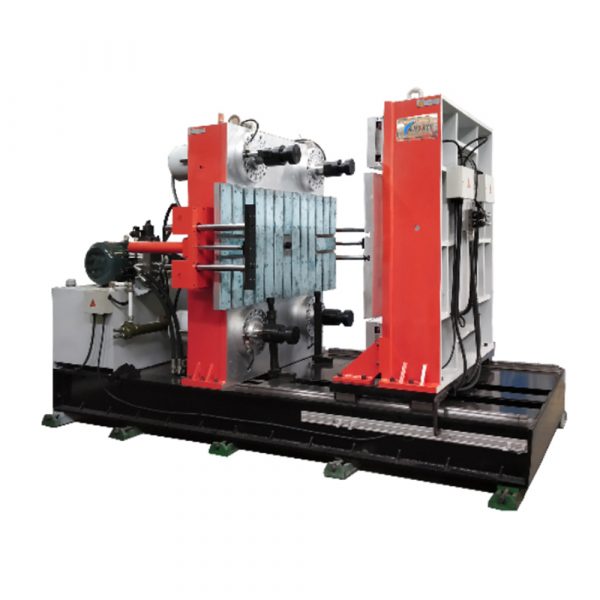
Standardize feedstock, mold temperature, and cycle recipe. Run a pilot of at least 5,000 cycles and record shot‑to‑shot variance and time between maintenance stops. Log defects by location to see if runner design induces cold flow or short shots. Also capture energy per cycle; small differences compound over long production runs. For clarity, run identical mold cavities on a comparable horizontal injection molding machine to remove machine‑level bias.
Common procurement mistakes and alternative approaches
Buyers often equate lower upfront price with lower total cost—this is error. A CRB that reduces runner volume by 15% can cut scrap and post‑processing far more than that initial saving. Another mistake: ignoring maintenance access. If CRB takes excessive disassembly to clean, downtime rises. Consider alternatives such as preset modular CRB plates that swap quickly, or hybrid cold/hot runner layouts when part geometry justifies it—these are not exotic; they are pragmatic choices for medium to large production runs.
Real‑world anchor: Shenzhen manufacturing lessons
From Shenzhen’s electronics clusters, buyers learn that small process gains scale fast. Factories there emphasize repeatability and tool access because assembly lines run continuous shifts. Applying that focus to CRB selection reduces surprises when demand rises. The practical lesson is: favor designs validated under sustained production rather than brief demo runs.
Human note — small insights that matter
Operators will mention subtle cues: a CRB that shows uniform part temperature across cavities simplifies molding control. Watch for ease of sensor placement and visibility—these are low‑cost enablers of stable production. The team will thank you later when fewer adjustments required per shift—so plan for ergonomics as a metric too.
Advisory close — three golden rules for CRB selection
Rule 1: Prioritize shot stability over minimal upfront cost — measure shot weight variance across at least 5,000 cycles. Rule 2: Demand modular access — CRB must enable cleaning and repair in under one hour to limit downtime. Rule 3: Evaluate total part cost using runner volume, scrap rate, and energy per cycle rather than just machine price. These three rules form a defensible procurement checklist for any B2B buyer.
Choose suppliers that can demonstrate these metrics with real production data from sustained runs; that is where the value becomes clear. HWAYI shows practical designs and documentation that align with these rules — a natural fit for buyers focused on steady, measurable performance. —