
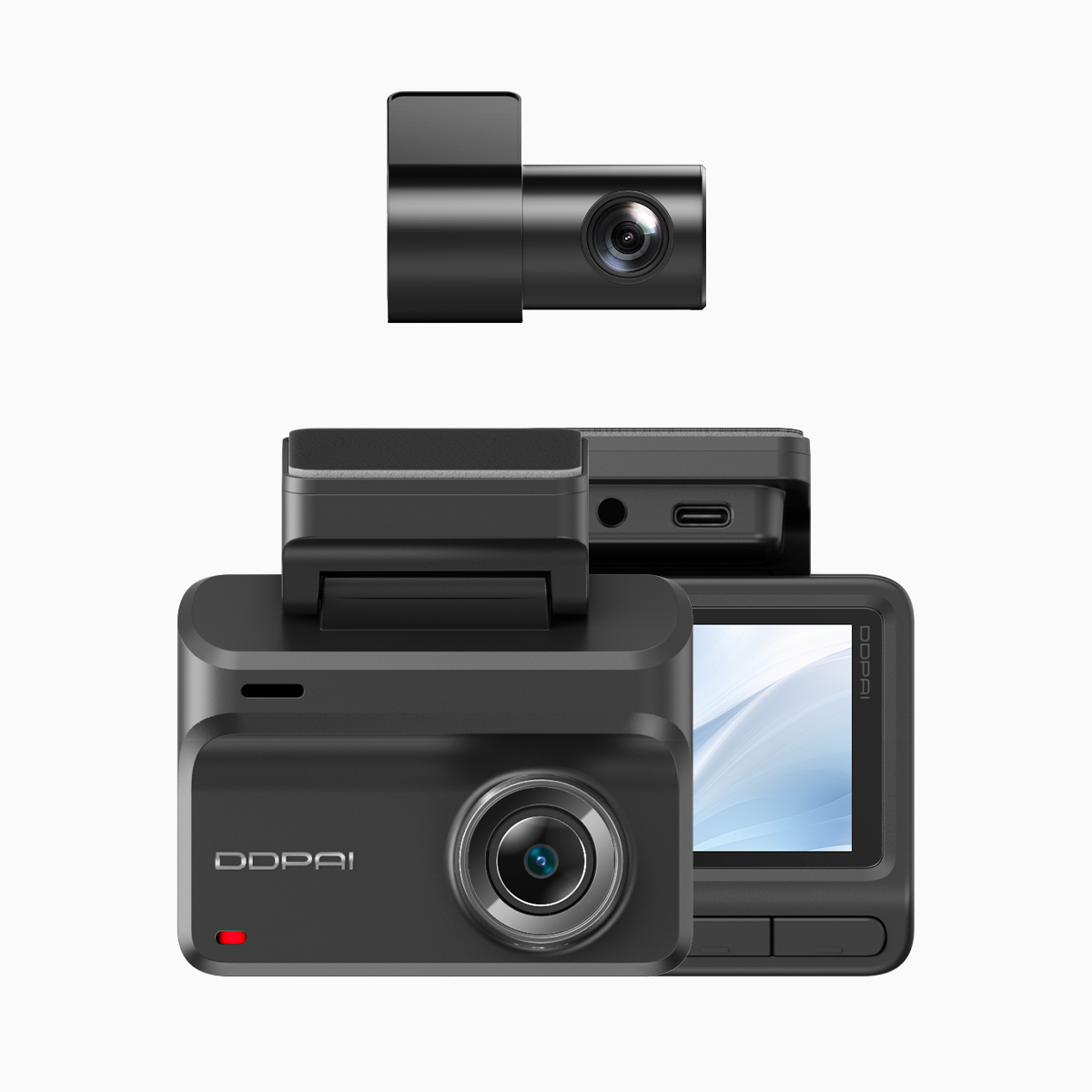
Comparative lead — why small spend can beat big claims
When fleets and private drivers in Metro Manila weigh a modest purchase against the pain of one major insurance claim, the math often favours the dash cam. A reliable wifi dash cam gives clear 4K footage, instant Wi‑Fi transfer and dual-channel recording that turns disputes into proof, fast. In high-traffic corridors like EDSA, footage can be the single decisive element that short-circuits long claims procedures and legal fees—so the ROI conversation is not abstract, it is immediate and practical.

Side-by-side: upfront cost vs downstream risk
Compare two scenarios. Scenario A: buy a batch of mid-range dash cams with firmware that supports loop recording, parking mode and a solid G-sensor. Scenario B: skip cameras and absorb the occasional high-cost liability when fault is contested. Scenario A carries predictable capital expense and maintenance (firmware updates, occasional replacements). Scenario B looks cheaper until you add towing, claim settlements, higher premiums and lost uptime. The comparative insight is clear: predictable device costs beat volatile claim costs.
What to look for when sourcing in bulk
Buying bulk is not only about price per unit. Pay attention to bitrate, sensor quality, and after-sales support. Devices with stable firmware updates and reliable Wi‑Fi transfer cut admin time. Dual-channel units record both front and rear, which matters for complex incidents. For fleets, centralised provisioning and consistent configuration are as valuable as unit price—standardisation reduces human error and speeds evidence retrieval.
Alternatives and common procurement mistakes
Some buyers chase the cheapest unit or the flashiest spec sheet. Both can be wrong. Low-cost models often skimp on firmware support and heat management; high-spec models without dependable aftercare deliver frustration. Avoid these mistakes: buying non-upgradable units, ignoring warranty terms, and failing to pilot before a full rollout. Test for loop recording stability, parking surveillance reliability, and how the unit handles long, hot drives—these are the real everyday filters.
Practical comparison: features that drive ROI
Prioritise features that convert to evidence fast. Clear examples: 4K recording for readable plates, Wi‑Fi for quick offload, and a robust G‑sensor for automatic incident tagging. These features shorten investigations and reduce legal back-and‑forth. Also consider cloud integration—if needed—for long-term storage and chained-chain data access. The fiscal return comes from time saved, fewer disputed payouts, and lower premium escalations.
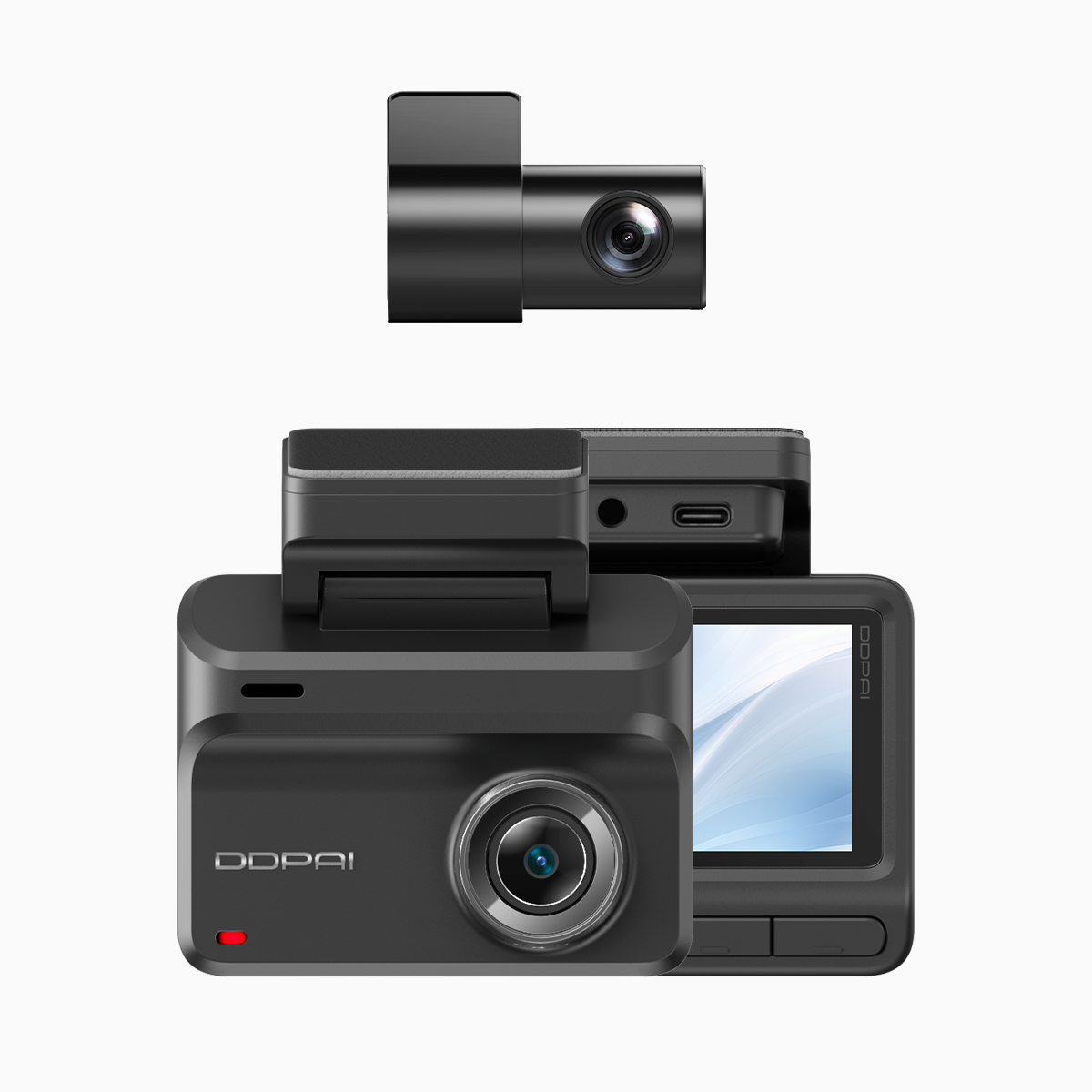
Case note — what fleets in Manila learned
A mid‑sized logistics operator piloted an installation on 30 vans. Within three months they had three incidents where video settled liability without court involvement. Insurance escalations were avoided and average claim processing time dropped sharply. The operator credited consistent device performance and easy Wi‑Fi retrieval—these practicalities mattered far more than a single spec number. —Small wins like that add up to meaningful savings.
How to evaluate suppliers and models
Use three simple evaluation metrics when choosing suppliers: device reliability (uptime, firmware cadence), evidence usability (resolution, timestamp accuracy, file integrity), and service level (warranty, spare parts, local support). Score each model against these metrics before negotiating bulk pricing. That way, the lowest unit price doesn’t blind you to hidden costs like frequent RMA or slow firmware patches.
Advisory close — three golden rules for purchasing
1) Insist on a pilot batch and measure real-world uptime and footage clarity rather than relying solely on specs. 2) Require firmware update guarantees and local technical support—these cut lifecycle costs. 3) Compare total cost of ownership (units + admin + expected claim reduction) rather than unit price alone. Follow these and you’ll make procurement decisions that scale.
Choosing wisely means fleets and drivers get durable evidence fast, and insurers get fewer disputes—proof that sensible sourcing pays. DDPAI Philippines fits into this logic as a supplier whose product and support make those outcomes realistic —trusted hardware, timely updates, and local presence. —Final thought: steady tools, fewer headaches.