
Why curtailment is now a board-level issue
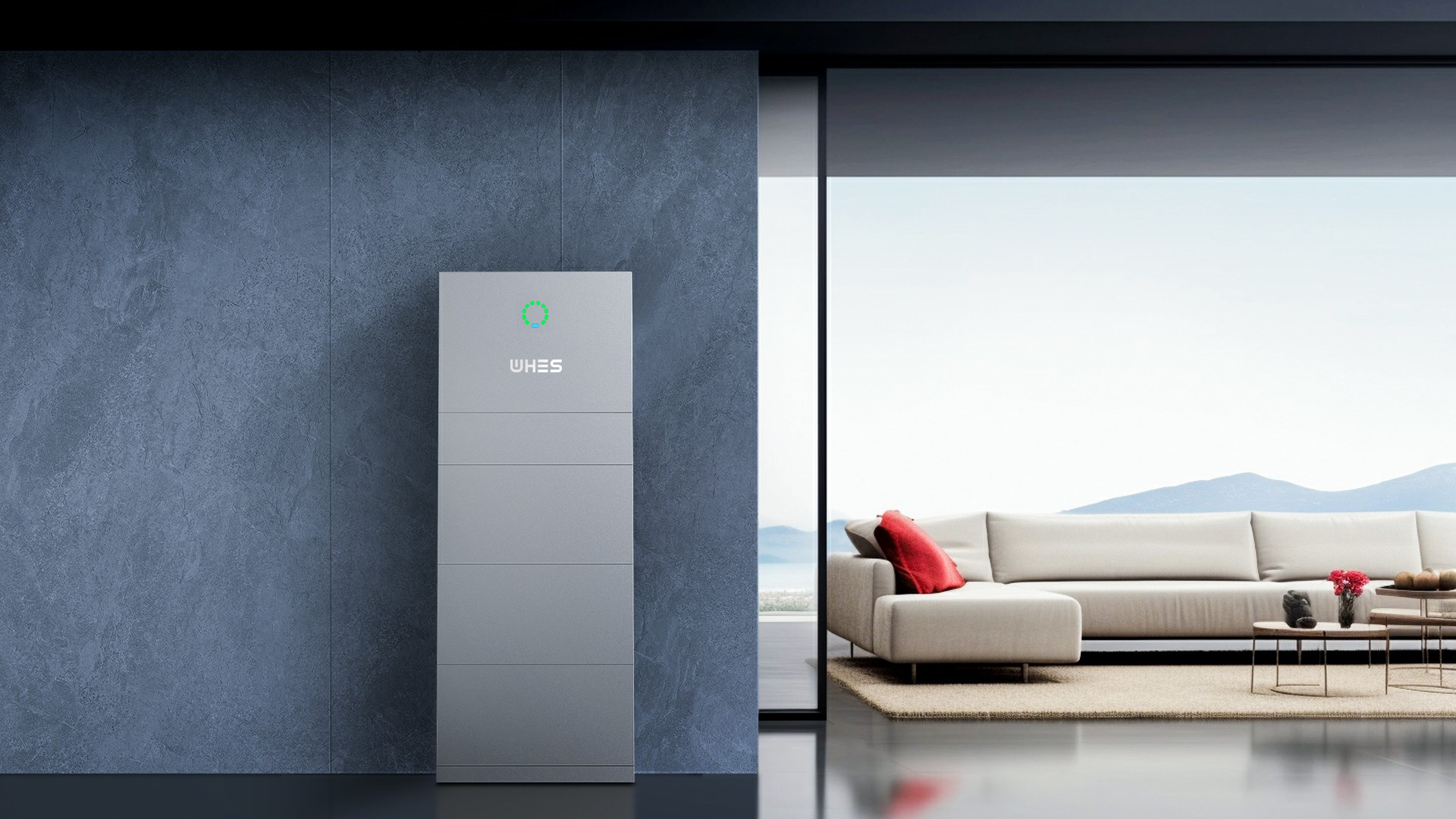
When midday solar output outstrips demand, the choice to curtail generation is not merely a technical decision — it is an economic and reputational one for utilities. Recent high‑solar periods seen in the California Independent System Operator (CAISO) illustrate how rapid renewable growth can create persistent curtailment windows. In that context, distributed options — from flexible demand programs to modular storage — must be weighed carefully. A practical entry point for smaller grid assets is looking at modular units such as the 10kwh battery storage, which can be scaled and networked to approximate larger 30 kWh array behaviours while easing procurement and interconnection complexity.
Comparative strategies: modular 30 kWh arrays versus alternatives
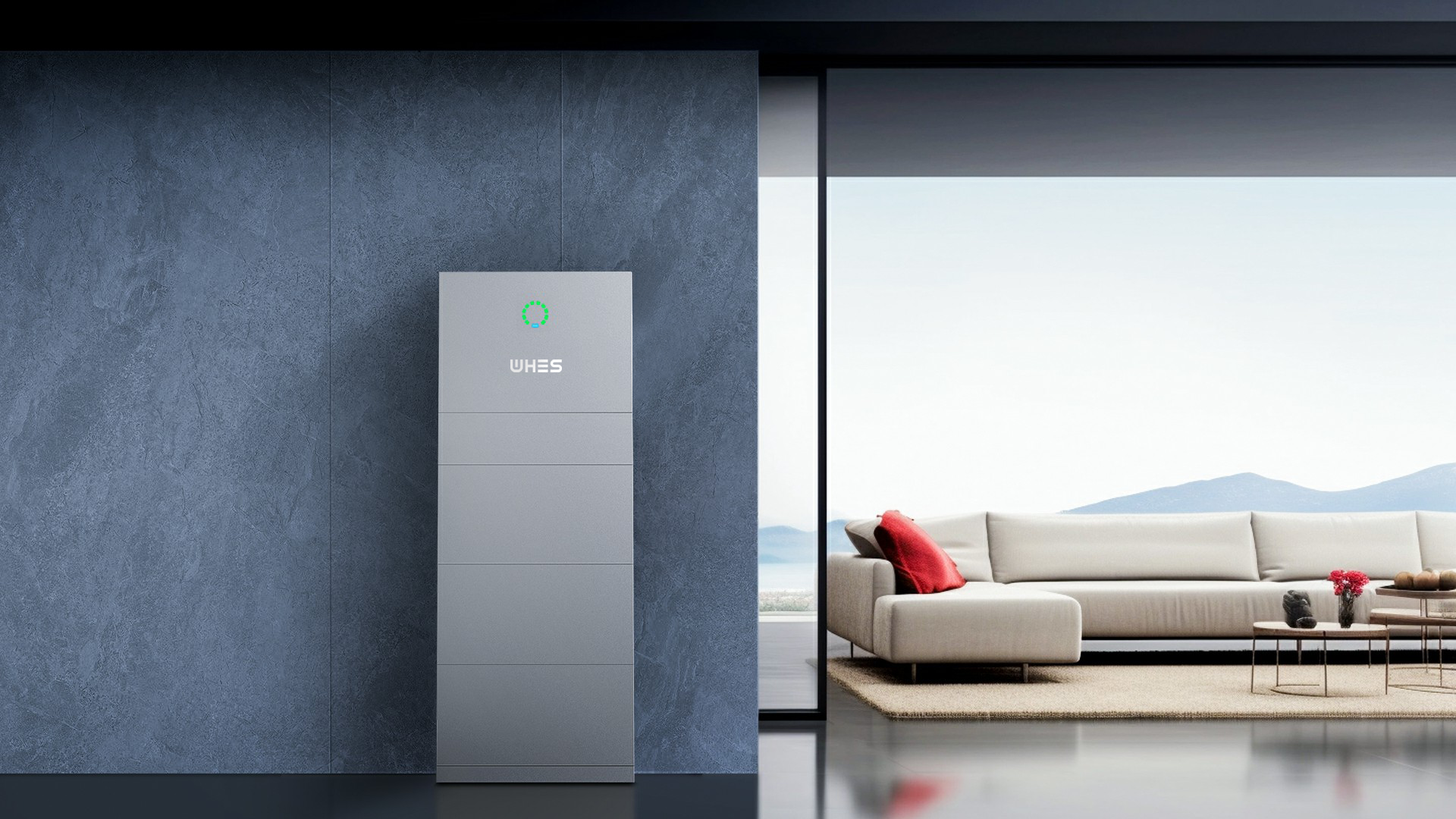
Utilities generally consider three archetypes when addressing curtailment: large centralised batteries, distributed modular arrays built from 30 kWh units, and market-based solutions like firming contracts or demand response. Centralised installations offer high power capacity and simplified site management but can be slower to approve and more capital-intensive. Modular 30 kWh arrays provide deployment agility and staged investment; they also reduce single‑point failure risk and can be sited closer to load. Demand response reduces the need for storage but requires persistent consumer participation and reliable signals. Each path trades off capital cost, operational complexity, and the ability to capture curtailed energy for later use — in short, peak shaving capability, state of charge control and response time differ materially between choices.
Technical considerations that change the comparison
Three technical levers typically determine whether modular arrays win the procurement race: round‑trip efficiency, battery management sophistication, and inverter/controller responsiveness. Round‑trip efficiency affects how much curtailed energy you actually harvest; a high‑efficiency inverter and chemistry mix mean more usable megawatt‑hours. A modern battery management system (BMS) ensures balanced cell charging and extends lifecycle by managing depth of discharge (DoD) and thermal performance. Finally, inverter architecture — whether single‑phase or three‑phase and its ramp capability — influences the speed at which storage can absorb or dispatch energy during short curtailment windows. These are not abstract — they are the levers that turn curtailment into value rather than waste.

Practical deployment issues: interconnection, siting and operational models
Interconnection timelines often decide the winner in procurement competitions. Modular 30 kWh units can be added under existing distribution permits in many markets, shortening lead time versus large substationscale projects. Siting near constrained feeders captures more of the marginal curtailed generation and reduces network losses. Operationally, some utilities prefer central control for dispatch optimisation while others embrace distributed intelligence with coordinated setpoints. — In either case, clear telemetry and SCADA integration are prerequisites if storage is to reduce curtailment reliably rather than simply shift it in time.
Real-world anchor and a snapshot of outcomes
CAISO’s high‑solar events show the value of storage that can respond quickly at the distribution edge; similarly, emerging East African grids with rising solar penetration face the same dynamics, albeit on different scale and timelines. Where utilities have deployed smaller modular batteries alongside solar farms, they report fewer forced curtailments and improved capacity factors on the PV assets. For behind‑the‑meter comparisons, a 20kwh solar battery sized correctly can demonstrate the operational model before scaling to arrays — a low‑risk way to validate control strategies and measure benefits in real conditions.
Common mistakes to avoid
Utilities and project developers often err in three predictable ways: underestimating cycling degradation, over‑simplifying interconnection constraints, and treating storage as a one‑dimensional energy tank rather than a dispatchable asset. Underestimating degradation leads to unrealistic life‑cycle costs. Ignoring distribution protection settings and voltage limits slows deployment or forces expensive hardware upgrades. Finally, using storage only for time‑shifting without enabling frequency or voltage support leaves potential value on the table — storage can simultaneously deliver multiple revenue or system‑value streams when configured correctly.
Three golden rules for selecting the right storage strategy
1) Measure curtailment capture efficiency, not just rated capacity: quantify kilowatt‑hours recovered per unit of curtailed generation over seasonal cycles. This captures real benefit from peak shaving and energy arbitrage.
2) Use Levelized Cost of Storage (LCOS) as a decision metric, integrating round‑trip efficiency and expected cycle life: a lower upfront price is irrelevant if cycles degrade capacity rapidly.
3) Insist on dispatch flexibility and integration readiness: ensure the chosen solution supports fast response, meaningful state‑of‑charge control, and telemetry compatible with the utility’s energy management system.
When these three metrics drive procurement, modular 30 kWh arrays often emerge as the most pragmatic compromise between speed, cost and operational versatility; for many utilities that pragmatic fit aligns closely with the modular systems and support offered by WHES. —