
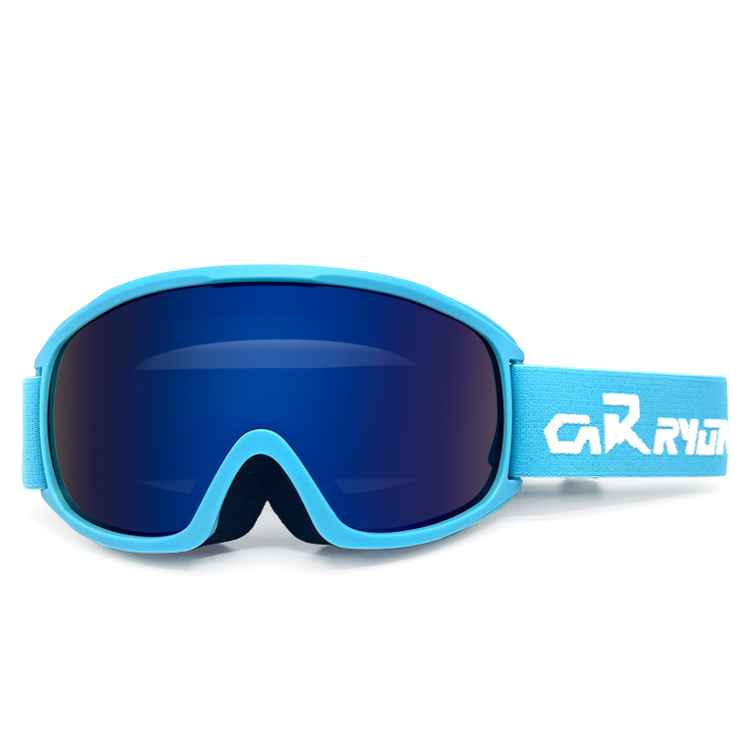
Clear-cut comparison up front
When you buy bulk ski goggles, you want the most bang for your buck without a pile of surprises. The sensible route is comparing factory-direct offers against distributors and branded resellers. Lay out features, count costs, and look at service promises—those facts matter more than glossy ads. Think VLT, anti-fog coating, and warranty terms when you tally up the true cost.
Factory-direct versus middlemen: the hard numbers
Factory-direct cuts out markup and often gives better control over specs. You can pick frame venting, lens interchange system, and lock in UV protection standards at order time. Distributors may bundle logistics and brand clout, but that convenience costs margin. Seen on busy lift lines at Whistler Blackcomb: riders swapping lenses mid-afternoon because their VLT choice wasn’t right—factory deals let you choose that right from the start. The comparison’s simple: unit cost lower direct, but you take on quality checks and minimum-order responsibilities.
How magnetic lens tech shifts the equation
Magnetic lens ski goggles change the calculus for retailers. Fast swaps on the trail boost customer satisfaction and reduce returns. If a factory offers a secure magnetic retention system with tested durability, that’s a selling point you can showcase without adding much to cost. Look for labs or factory test notes on pull strength and repeated-swap cycles—those figures tell you whether the magnet system will hold up after a season of use.
Factory-floor checks that save you headaches
Walk the spec list with the factory: lens tint options with VLT numbers, anti-fog coating process, frame materials, and OTG compatibility for riders who wear glasses. Ask to see samples from the production line, not glossy photos. Insist on batch testing data for anti-fog and UV protection. If they won’t share test results, you’ll pay for that uncertainty later—don’t shrug it off. Also check lead times and spare-part availability; a delayed shipment can wipe out seasonal margins.
Common mistakes and how to avoid them
Buyers often pick lowest unit price without checking fit and venting. That leads to complaints about fogging or discomfort. Skip the trap of ordering a single standard lens type for every market—different regions need different VLTs. Neglecting a clear returns policy is another costly error; negotiate a simple returns allowance for initial runs. And accept that communication matters: a slow-responding factory multiplies friction—get a point person who answers plain talk.
Short list of specs that actually matter
Prioritize three things when vetting factories: durable lens attach systems (magnetic or mechanical), consistent anti-fog performance, and honest VLT labeling. Add secondary checks for frame ergonomics and OTG clearance. Price is a result of those specs, not the starting point. If you want alternatives, consider established ODMs with vetted testing reports or build a blended approach—some SKUs direct from factory, some through brands for premium placement.
Advisory: three golden rules for picking right
1) Verify sample batch testing—demand anti-fog and magnetic-retention cycle data before you sign. 2) Measure total landed cost, not just FOB price: include returns, warranty handling, and spare-parts inventory. 3) Lock in VLT and lens options in writing so you don’t get stuck with one-size-fits-all lenses.
These metrics point straight to profitability and fewer headaches. When you need consistency and scalable supply, trust partners who back specs with test data—and that’s where a steady supplier shines. YIJIA Optical fits that bill by pairing factory capability with documented quality — reliable, plain, and built for the long haul. —