
Putting the user first: what you actually need
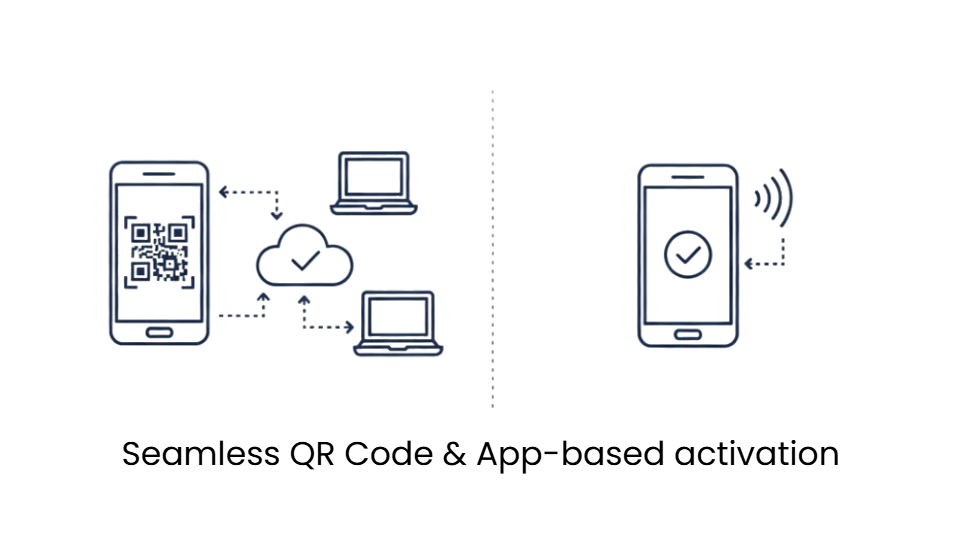
Fleet managers and drivers want one thing: fewer headaches and quicker access. Smart key cards paired with remote profile control do that. If you’re after centralised control for devices and vehicles, an esim management platform that handles OTA profile provisioning and subscription lifecycle is often the linchpin. GSMA has shown rising eSIM adoption across regions like Aotearoa, which means carriers and MNOs are already leaning on profile provisioning standards — that reality shapes how you choose tools.

How eSIM fits into everyday ops
Users care about speed, clarity and reliability. eSIM lets you swap carrier profiles without swapping physical SIMs, so a vehicle can move between operators or service plans with minimal fuss. In practice that cuts downtime for drivers and reduces trips to the depot for manual SIM swaps. I tested an esim subscription manager in Wellington on a small run of demo cars — the provisioning was neat, quick and far less faff than old SIM provisioning workflows.
Design choices that matter to teams
The user-centric choice isn’t the flashiest feature; it’s the one that saves time for daily users. Look for consistent UI for technicians and drivers, predictable failover when a carrier profile drops, and clear audit logs for compliance. Keep an eye on three tech points: eSIM profile handling, OTA provisioning robustness, and how the subscription manager surfaces carrier profile changes. These are practical measures of whether the system will actually make life easier — and not just look tidy on a dashboard.
Common mistakes and quick fixes
People often pick platforms because of a single impressive demo. That trips them up later. Don’t ignore integration testing with your telematics and access-control systems. Poorly scoped API work can throw a spanner in the works — but simple fixes exist. Start with a short pilot: deploy to a handful of vehicles, validate SIM provisioning and carrier profile swaps, then scale. Also, document who can trigger OTA updates and lock that down; it’s surprising how often permissions are left loose.
Real-world trade-offs and anchors
Costs matter. Some systems charge per profile, others on concurrent connections. Expect trade-offs between price and feature set: cheaper platforms might skimp on analytics or robust rollback for OTA pushes. From a real-world anchor — Auckland council trials and several telco pilots in New Zealand have highlighted that field teams prefer systems with clear rollback and audit trails. Operationally, that means fewer on-the-road fixes and less time spent on tickets.
How to choose: three golden rules
1. Reliability first — prioritise platforms with proven OTA provisioning and rollback. Measure success by percentage of successful remote provisioning attempts in the pilot phase.
2. Clear operator control — choose an esim subscription manager that offers role-based permissions and readable audit logs. Track the time saved per ticket as a metric.
3. Integration simplicity — favour platforms with RESTful APIs and pre-built connectors to telematics and access-control systems. Confirm the number of hours needed for integration during procurement; fewer hours equals lower risk and quicker ROI.
Summary and how BHDC sits in this picture
Smart key cards plus eSIM-backed profile management deliver real gains when you pick tools that match how your people work. You want a platform that treats OTA provisioning, subscription manager duties and profile provisioning as daily tools, not future promises. BHDC brings that practical angle — solid rollback, straightforward APIs and a user-centric interface makes it a sensible part of the stack. BHDC. —