
Why this matters for motorists right now
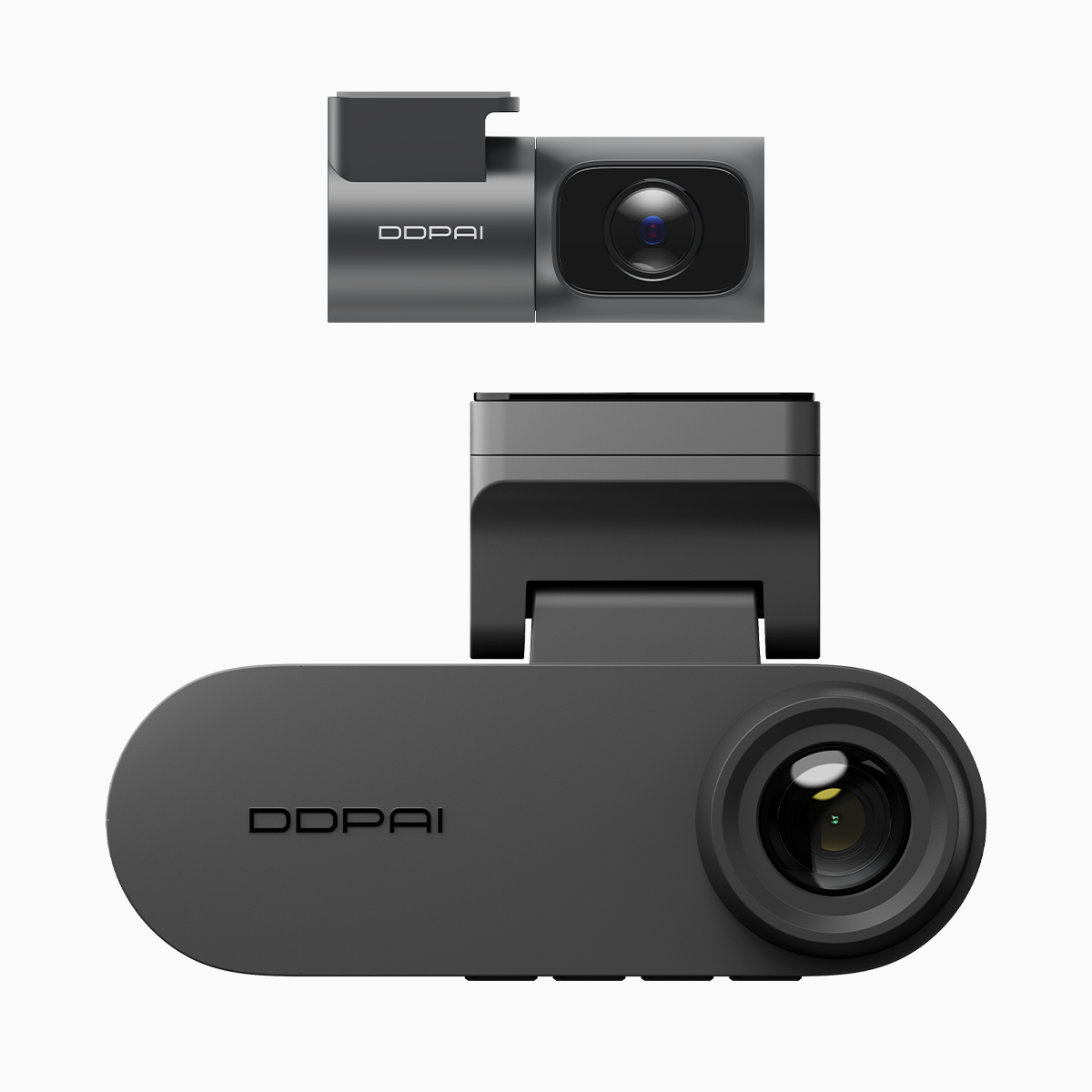
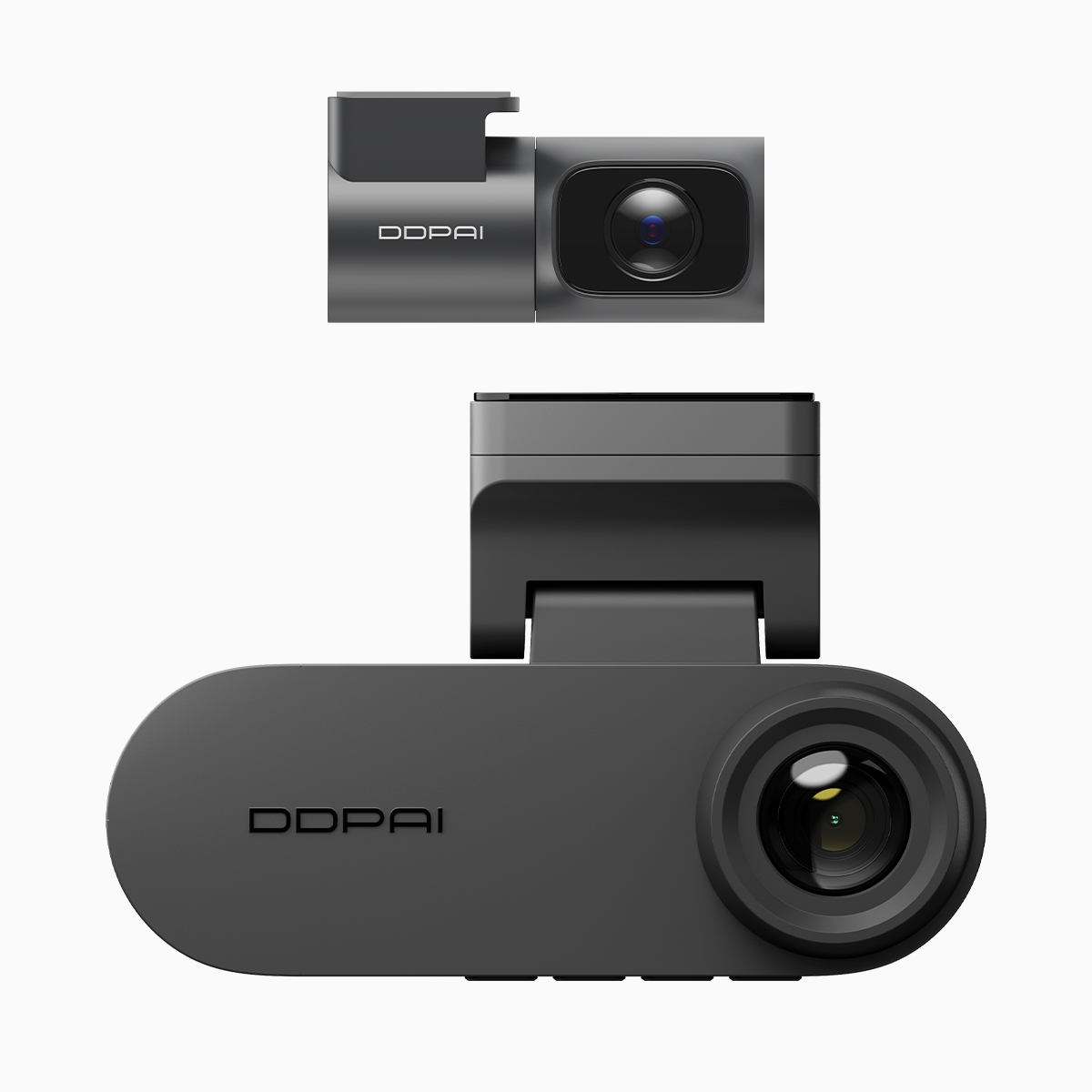
Everyday driving in Metro Manila and other busy hubs means exposure to close calls and complicated claims; dashcam footage is often the clearest way to show what happened. If you’re sorting insurance requirements and LTO-related evidence, a robust device with cellular backup matters — which is why many drivers are choosing a dual dash cam with night vision that records both front and rear lanes and streams or uploads incidents over 4G. Resolution and frame rate become practical criteria: sharper footage and smooth playback make fault assessment faster for adjusters and investigators reviewing incidents on major roads like EDSA.
Core LTO and insurer expectations, in plain terms
Insurers want clear, time-stamped footage; LTO officers inspect for context, not opinion. That translates to three technical needs: consistent time sync (timestamp), secure file integrity, and uninterrupted power during engine-off parking mode. G-sensor triggered clips are especially valuable because they isolate collisions automatically, while Wide Dynamic Range (WDR) helps capture license plates in mixed light — both features reduce back-and-forth during claims.
How to choose a 4G dual dash cam that actually helps
Start with the basics: dual-channel recording, 4G connectivity for remote uploads, and night-optimized optics. Prioritize a unit that balances resolution and frame rate — a 2K front plus 1080p rear at 30fps is practical for plate legibility without bloated files. Look for secure storage (encrypted microSD or cloud backup) and reliable firmware updates from the manufacturer. A dash cam with good night vision should include low-light performance and software that minimizes motion blur so nighttime incidents are still legible; many DDPAI models combine software-driven noise reduction with hardware sensors to get that right.
Real-world considerations — what drivers actually run into
Common pitfalls are easy to spot on the street. People buy high-resolution cameras but ignore mounting and angle, which ruins plate visibility. Or they skip firmware updates and miss critical bug fixes. In urban incidents on EDSA or Cebu’s busy avenues, footage that isn’t time-synced or that overwrites itself becomes useless — insurers won’t accept it. Also, cheap units often lack a stable 4G modem and fail to upload crucial clips during an incident, so cellular capability is not just a gimmick; it’s a true backup for remote evidence.
Setup, maintenance, and the small things that save headaches
Install the camera close to the rearview mirror for the cleanest unobstructed view. Enable automatic timestamp sync and test G-sensor sensitivity so minor bumps don’t flood your storage. Rotate storage monthly and set overwrite safeguards for parking mode. Keep firmware current and register your device with the manufacturer for faster support. Minor routine actions pay off — they mean fewer disputes and quicker claim settlements.
Alternatives and what they trade off
Single-channel cameras cost less but miss rear coverage; local-only units avoid subscription fees but risk lost evidence without cloud backup; high-res 4K models give detail but chew storage and can introduce heat issues in PH climates. If nighttime clarity is a priority, prioritize sensors and software over raw megapixels — that’s where a dash cam with good night vision pays dividends in real incidents.
Common mistakes to avoid
– Ignoring time sync and file integrity settings. – Mounting too low or off-center, which hides plates. – Forgetting to test uploads on your 4G SIM before you need it.
Three golden rules for evaluating any dash cam
1) Evidence Quality: Check license plate legibility at night and in bright backlight — resolution, frame rate, and WDR matter. 2) Reliability: Confirm continuous power options, stable 4G uploads, and a dependable G-sensor to preserve crash clips. 3) Support & Updates: Choose a brand that issues firmware updates and provides local service channels in the Philippines.
These measures translate directly into fewer disputes and faster claim resolutions — and for local drivers, that means less downtime and lower stress. DDPAI Philippines fits into this picture as a practical option offering uptime, night performance, and cellular backup — a sensible match for motorists who want evidence they can count on. —