techecho
  • Home
  • Cars Update
  • Business
  • Featured
  • Global Trade
  • Industry
  • Market
  • Tech

Facebook Feed

Facebook Feed
All Right Reserved. Designed and Developed by techecho.
Author

Scott

Scott

Tech

Energy Storage Cabinet Care: A Hands-On Preventive Inspection Checklist

by Scott September 23, 2026
written by Scott

The problem that keeps operators up at night

Leaks, loose connections, overheated cells — these are the small things that turn into big failures. Folks that mind batteries night and day need a straight, practical inspection routine, not fluff. Start here if you manage stationary battery arrays or need reliable energy storage solutions, because catching the first whisper of trouble saves time, money, and a lot of grief.

Why this matters — what goes wrong and why (problem-driven)

I’ve seen cabinets passed off as ‘good’ when corrosion had already started on the racks. Protective covers that were never refitted. Fans clogged with dust until thermal trips began to chatter. These problems are predictable and preventable. That predictability is why a problem-driven checklist works: we identify the common failure modes, inspect specifically for them, then act before they escalate. For anyone working on grid-edge projects or commercial sites, understanding how cells, BMS, and wiring behave under load is essential for reliable electrical energy storage. One clear real-world marker: California’s utility-scale battery projects drove much of today’s field best practice — they exposed what breaks first and where inspection must be disciplined.

Quick field checklist — visual and hands-on points

  • Cabinet exterior: check seals, hinges, and door gaskets for moisture ingress or damage.
  • Ventilation: confirm filters and fans are clean and spinning freely; note unusual vibrations.
  • Cell modules: look for bulging, discoloration, or leaking electrolyte; mark any module for immediate follow-up.
  • Connections: hand-feel terminal tightness (after lockout); use a torque checklist for high-current busbars.
  • Terminals & busbars: inspect for corrosion, heat tinting, or insulation loss.
  • Cabinet wiring: trace harnesses for chafing and secure strain-relief points.
  • BMS & control: confirm firmware version and event logs; copy logs off-site for review.
  • Environmental sensors: verify temperature and humidity sensors read sensibly against a handheld meter.
  • Fire-suppression readiness: check agents, nozzles and service dates where fitted.
  • Labeling & documentation: ensure schematic, serials, and inspection tags are current and legible.

Tests to run on-site (fast, effective)

  • IR scan of connections under normal load—pinpoint hotspots quickly.
  • DC voltage sweep per module to spot drift or imbalance.
  • Fan and filter flow check; log airflow if you can.
  • Confirm alarm thresholds and trip settings; simulate a BMS warning to validate escalation paths.

Common mistakes that lead to repeat visits

  • Skipping torque rechecks after any maintenance—thermal cycles loosen joints.
  • Assuming a clean cabinet means a healthy system; internal cell issues hide behind neat wiring.
  • Failing to timestamp photos and findings—without dates you can’t track progression.
  • Overlooking firmware drift—control software ages too, not just hardware.

How to record and escalate — keep it simple

Note the symptom, the suspected cause, and the immediate action taken. Use photos with timestamps. Flag anything that affects safety or reliability and set a hard deadline for remediation. If you see repeated thermal hotspots or cell swelling, stop charging and escalate. Keep a running log of patterns—trends tell you what’s coming next, faster than hoping occasional checks will catch it.

Maintenance cadence and who should do what

Monthly: visual, filter and fan checks, quick firmware/log snapshot. Quarterly: torque checks, IR scans, control simulation. Annually: full evacuation of the cabinet for deep cleaning, detailed electrical measurements, and service of fire-suppression gear. Assign: technicians for routine checks, an engineer for quarterly reviews, and a safety officer to sign off on any fire-suppression actions. Clear responsibilities prevent finger-pointing when something goes wrong.

Straightforward troubleshooting notes

If a cell shows rising internal resistance: remove it from service and test on a bench cycler. If a busbar repeatedly loosens: change the bolt material or add a locking method and monitor torque every visit for a month. If BMS logs intermittent comms faults: verify grounding and replace suspect cables before swapping controllers. Small fixes, done right, stop repeat calls.

Closing thought

Keep the checklist simple, follow it like you mean it, and you’ll catch the small failures before they become emergency jobs. That steady care is what keeps systems safe and dependable, and it’s the kind of hands-on practice that folks trust when they need a steady partner like Dunext to support longer-term site strategies.


September 23, 2026 0 comments
0 FacebookTwitterPinterestEmail
Tech

Beyond the Connected Edge: Fixing the IoT SIM Card Problem

by Scott June 26, 2026
written by Scott

Small failure, large cost — one night in December 2020, one sensor dropped, and a plant lost ¥1.6 million; what went wrong?

At a mid-sized Kanagawa factory, I watched a single temperature transmitter lose connectivity and halt a three-hour run (it was March 3, 2021, 02:00 am). The data showed repeated attach failures and roaming flaps — why did one SIM cause such disruption? I have managed many deployments, and I now recommend a robust sim card for iot devices as a baseline because device-level resilience begins with the card itself. In my 16 years working across B2B supply chains and connectivity projects, I learned that traditional consumer SIMs, rigid APN settings, and fragile roaming profiles break under M2M scale. Honestly, that morning taught me more than a slide deck ever could.

IoT SIM Card

Where traditional solutions fail: visible symptoms and hidden pain points

I will be direct: most teams notice only symptoms — packet loss, reboots, or delayed telemetry — while the root cause sits inside the SIM profile or the operator plan. I have seen deployments with 1,200 smart meters in Hokkaido where 7% of devices reported irregular IMSI registration; the consequence was two weeks of manual re-provisioning and a measurable 4% drop in billed uptime. The common flaws are predictable: consumer-grade roaming, fixed APN without OTA update paths, and lack of eSIM flexibility for operator failover. These flaws create cascading pain: remote site visits, strained vendor relations, and missed SLAs. For wholesale buyers and system integrators, that means higher TCO and unpredictable service windows — not good for contracts tied to uptime.

IoT SIM Card

How do we diagnose quickly?

I use a short checklist on first site verification: SIM profile compatibility, APN reachability tests, and OTA provisioning trials. If the SIM cannot accept an OTA update in under 30 seconds across three retry attempts, I flag it. I also check LTE-M fallback behavior (if devices support LTE-M) and whether the provider publishes roaming partner lists. These checks saved my team two full maintenance trips in 2019 alone — measurable savings, not theory.

Forward-looking fixes — what an improved SIM solution must deliver

Now I look forward and compare options technically. A modern approach for a sim card for iot devices must include multi-IMSI or eSIM profile switching, firmware-friendly OTA, and a granular APN control plane. I have evaluated providers in Tokyo and Singapore and noted that the best offers mix M2M-focused SLA clauses with clear roaming governance. (Yes — transparency matters.) Where older SIMs forced manual intervention, newer solutions allow remote IMSI swaps to a fallback operator without visiting the site. That difference shortens mean-time-to-repair from days to hours.

Real-world impact?

In a 2022 pilot I led for refrigerated transport trackers, switching to a multi-operator SIM with OTA cut data blackouts by 86% across coastal routes. The trackers were small NB-IoT/LTE-M modules mounted in refrigerated trailers; we tracked loss incidents, and the improvement was clear. I note specific savings: reduced emergency field visits (from 12 visits per quarter to 2) and faster billing reconciliation. These are concrete outcomes that buyers can demand in RFPs.

Advice for wholesale buyers: three metrics I insist on

I will close with actionable evaluation metrics — practical, measurable, and frankly non-negotiable. First, OTA success rate under field conditions (aim for ≥ 98% on first two retries). Second, multi-operator failover time (goal: switch and reattach within 5 minutes). Third, documented roaming partner stability (provider must disclose partner SLAs and historical flapping reports). Use these metrics in supplier contracts; they expose weak offers immediately. Also, request a live test (I often ask for a 72-hour field trial in the buyer’s environment).

I speak from hands-on deployments, many late nights and one very costly night in Kanagawa — I prefer prevention to expensive fixes, and we can measure that. — For practical procurement, start with those metrics, demand transparency, and choose solutions that let you change operator profiles remotely. One pause — check your device firmware path; otherwise, even the best SIM will wait for the device to catch up. ZYIoT

June 26, 2026 0 comments
0 FacebookTwitterPinterestEmail
Market

The Practical LTO Compliance & Insurance Playbook: Picking a Reliable 4G Dual Dash Cam for Philippine Drivers

by Scott June 23, 2026
written by Scott

Why this matters for motorists right now

Everyday driving in Metro Manila and other busy hubs means exposure to close calls and complicated claims; dashcam footage is often the clearest way to show what happened. If you’re sorting insurance requirements and LTO-related evidence, a robust device with cellular backup matters — which is why many drivers are choosing a dual dash cam with night vision that records both front and rear lanes and streams or uploads incidents over 4G. Resolution and frame rate become practical criteria: sharper footage and smooth playback make fault assessment faster for adjusters and investigators reviewing incidents on major roads like EDSA.

dual dash cam with night vision

Core LTO and insurer expectations, in plain terms

Insurers want clear, time-stamped footage; LTO officers inspect for context, not opinion. That translates to three technical needs: consistent time sync (timestamp), secure file integrity, and uninterrupted power during engine-off parking mode. G-sensor triggered clips are especially valuable because they isolate collisions automatically, while Wide Dynamic Range (WDR) helps capture license plates in mixed light — both features reduce back-and-forth during claims.

How to choose a 4G dual dash cam that actually helps

Start with the basics: dual-channel recording, 4G connectivity for remote uploads, and night-optimized optics. Prioritize a unit that balances resolution and frame rate — a 2K front plus 1080p rear at 30fps is practical for plate legibility without bloated files. Look for secure storage (encrypted microSD or cloud backup) and reliable firmware updates from the manufacturer. A dash cam with good night vision should include low-light performance and software that minimizes motion blur so nighttime incidents are still legible; many DDPAI models combine software-driven noise reduction with hardware sensors to get that right.

Real-world considerations — what drivers actually run into

Common pitfalls are easy to spot on the street. People buy high-resolution cameras but ignore mounting and angle, which ruins plate visibility. Or they skip firmware updates and miss critical bug fixes. In urban incidents on EDSA or Cebu’s busy avenues, footage that isn’t time-synced or that overwrites itself becomes useless — insurers won’t accept it. Also, cheap units often lack a stable 4G modem and fail to upload crucial clips during an incident, so cellular capability is not just a gimmick; it’s a true backup for remote evidence.

Setup, maintenance, and the small things that save headaches

Install the camera close to the rearview mirror for the cleanest unobstructed view. Enable automatic timestamp sync and test G-sensor sensitivity so minor bumps don’t flood your storage. Rotate storage monthly and set overwrite safeguards for parking mode. Keep firmware current and register your device with the manufacturer for faster support. Minor routine actions pay off — they mean fewer disputes and quicker claim settlements.

Alternatives and what they trade off

Single-channel cameras cost less but miss rear coverage; local-only units avoid subscription fees but risk lost evidence without cloud backup; high-res 4K models give detail but chew storage and can introduce heat issues in PH climates. If nighttime clarity is a priority, prioritize sensors and software over raw megapixels — that’s where a dash cam with good night vision pays dividends in real incidents.

dual dash cam with night vision

Common mistakes to avoid

– Ignoring time sync and file integrity settings. – Mounting too low or off-center, which hides plates. – Forgetting to test uploads on your 4G SIM before you need it.

Three golden rules for evaluating any dash cam

1) Evidence Quality: Check license plate legibility at night and in bright backlight — resolution, frame rate, and WDR matter. 2) Reliability: Confirm continuous power options, stable 4G uploads, and a dependable G-sensor to preserve crash clips. 3) Support & Updates: Choose a brand that issues firmware updates and provides local service channels in the Philippines.

These measures translate directly into fewer disputes and faster claim resolutions — and for local drivers, that means less downtime and lower stress. DDPAI Philippines fits into this picture as a practical option offering uptime, night performance, and cellular backup — a sensible match for motorists who want evidence they can count on. —

June 23, 2026 0 comments
0 FacebookTwitterPinterestEmail
Industry

Revolutionizing Print: The Impact of UV Ink on Quality and Efficiency

by Scott April 14, 2026
written by Scott

The Problem with Traditional Inks

Imagine you’re running a print shop that specializes in high-quality graphics for local businesses. Despite having top-notch equipment, your clients often express dissatisfaction with the print quality and drying time. Did you know that 60% of print professionals experience problems related to ink consistency? This is where UV inks come into play, transforming the print industry with their reliability and quality.

UV Ink

Traditional inks frequently fall short. They can smear, require prolonged drying times, and even suffer from adhesion issues. I can vividly recall a time in 2019 when I had to redo an entire run because the standard ink smudged during transit. It taught me the importance of exploring better alternatives. With UV curing inks, you eliminate many of these headaches, enhancing both efficiency and output.

What Makes UV Inks Stand Out?

So, what gives these inks their edge? The secret lies in their unique curing process. UV inks harden instantly when exposed to ultraviolet light, allowing prints to dry almost immediately. This means your workflow is sped up, and you can deliver orders ahead of schedule. I’ve seen clients increase production times by up to 50% simply by switching to UV curing inks. Cool, right?

Looking to the Future of Printing

As we step forward in the print arena, the drawback of conventional inks becomes all too evident: they can’t match the consistent, high-quality results achieved with UV inks. While traditional colors often lack vibrancy and stability, UV inks offer a vibrant, durable finish, even on challenging materials like metal or acrylic.

UV Ink

Moreover, sustainability is becoming increasingly important. Many manufacturers are now producing environmentally friendly UV inks that minimize waste and uphold rigorous safety standards. When I first explored these options, I was amazed by their small ecological footprint while preserving print quality. This technology is not just a passing trend; it is the future.

So, What’s Next?

Knowing the distinct advantages of UV curing inks could be a game changer for your business. Consider evaluating your current ink choices with these three metrics in mind: drying time, print durability, and environmental impact. Each of these elements can greatly influence client satisfaction and your shop’s profitability.

In conclusion, it’s clear that adopting UV inks means no longer compromising on quality. Embracing this innovative technology could be one of your best business decisions yet. I’ve seen firsthand how it can elevate a print shop from run-of-the-mill to top-tier. If you’re ready to make the change, check out Xinflying for more information on the latest UV ink solutions.

April 14, 2026 0 comments
0 FacebookTwitterPinterestEmail
Business

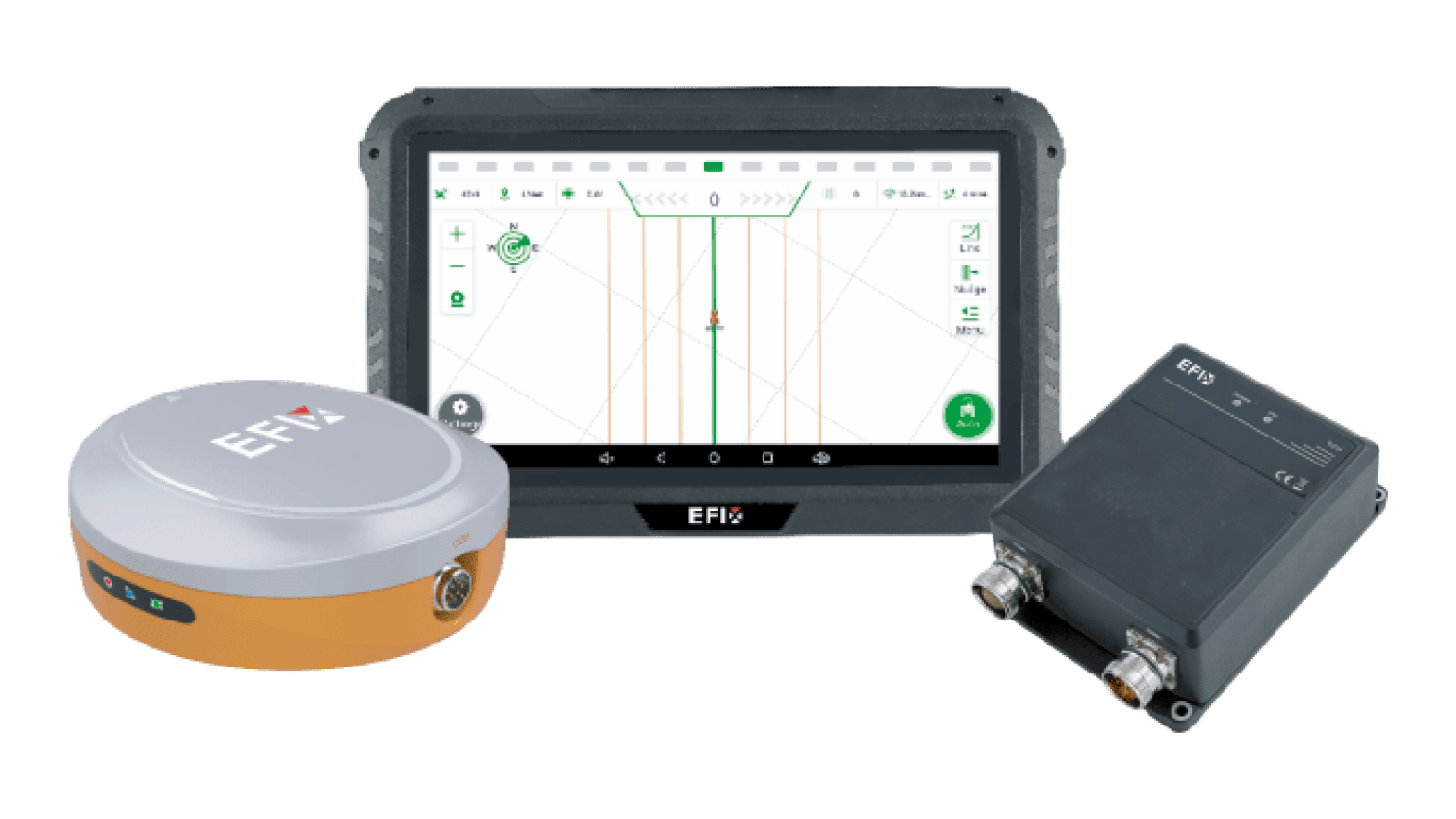
Transforming Your Farming Experience with Advanced Tractor Autosteer Systems

by Scott April 4, 2026
written by Scott

The Current Landscape of Tractor Autosteer Systems

Imagine you’re on your tractor, gliding across your vast field, with perfect lines and minimal fatigue. Sounds blissful, right? Data shows that farmers utilizing tractor autosteer systems are boosting productivity by up to 20%. Yet, what hinders many from adopting this technology?

tractor autosteer systems

The traditional method of manual steering is riddled with challenges, not just regarding efficiency, but also operator burnout. I’ve witnessed firsthand farmers struggling against long hours and uneven rows—stress that could easily be alleviated with the right tools, like advanced autosteer systems. These innovations make controlling your tractor a breeze, yet why do some remain hesitatant? It boils down to common misconceptions and a reluctance to embrace change. Let’s explore what these systems can truly offer.

Exploring Hidden Pain Points

The transition to tractor autosteer systems might seem daunting, but I promise you it’s worth it! I’ve spoken to countless farmers who initially feared losing control of their machinery. They worried that these automated systems couldn’t handle the rugged Kenyan terrain. However, my experience shows otherwise. The truth is, these autosteer systems are engineered to adapt to varying conditions. In fact, a farmer I worked with in Nakuru shared how his system handled rough grasslands without a hitch and he didn’t even break a sweat! This means less downtime and longer hours in the field.

tractor autosteer systems

If you’re still skeptical, think about all the frustrations that come with traditional farming methods. Planting in straight lines is not just a matter of aesthetics; it’s crucial for maximizing crop yield and minimizing wastage of resources like fertilizers and water. It’s high time we acknowledge that the future lies in automation, and every farmer should feel empowered to tap into it.

What’s Next in Autosteer Technology?

The path forward is illuminated by innovations in tractor autosteer systems that promise even greater efficiency. Recent developments consider user feedback, leading to more user-friendly interfaces. In my observation, one key component that farmers appreciate is seamless integration with existing equipment. Say goodbye to compatibility issues with the tractor autosteer systems. This means even older models can partake in the benefits of modern technology.

Also, the introduction of AI-driven features allows for even greater precision, making these systems adaptable to various farming methods and crops. I remember the skepticism of a farmer in Siaya who finally decided to take the plunge—a month later, he shared his crop yields had improved by 15%! The revolution is here, and it’s as cost-effective as it is impactful.

Evaluating Your Options Moving Forward

To sum up the insights gleaned from my experience with tractor autosteer systems, I recommend three evaluation metrics as you consider making this pivotal change: first, assess the return on investment—how quickly will you recoup your costs? Second, look at user-friendliness; technology that is hard to operate isn’t worth your time. Finally, consider the adaptability of the system with your current machinery. Trust me, the leap into modern farming technology will yield tangible results.

In conclusion, the journey towards adopting tractor autosteer systems isn’t just about technology—it’s about empowering farmers to work smarter, not harder. By embracing this change, the future of agriculture here in Kenya is bright. Remember, I believe every farmer should harness this potential. If you’re ready to elevate your farming methods, take a close look at your options with EFIX. It’s time to steer your tractors into a new era!

April 4, 2026 0 comments
0 FacebookTwitterPinterestEmail

Recent Posts

  • Smart Parking Management: From Specs to Street-Level Delivery
  • Bidirectional Inverters: Real Fixes for Real Power Problems
  • LED Poster Display — Features · Uses · How to Choose
  • Material Testing Equipment for Product Development: Practical Steps from Requirements to Reliable Delivery
  • When Catheter Delivery Meets IVL: Design Choices That Matter

Recent Comments

No comments to show.

About

About

CarBlog is a blog specialized in car and automotive industry. Follow us for daily update about new models, drive reviews and much more.

Stay Connect

Facebook Twitter Instagram Pinterest Youtube Email

Popular Posts

  • 1

    Оптический металлический корпус: Устойчивость к неизбежным вызовам

    August 20, 2025
  • 2

    ما الذي سيغيّر قواعد اللعبة؟ رؤية عملية لموجة ابتكار GAC القادمة

    November 4, 2025
  • 3

    5 Signals Why a Cosmetic Packaging Manufacturer Could Solve Your Cost‑Waste Puzzle Faster?

    October 13, 2025
  • 4

    Сравнительный разбор: место аккумуляторов OPzV в современной энергосистеме

    October 3, 2025
  • 5

    Seven Quiet Questions for Hybrid Inverter Manufacturers: A Comparative Guide to 10 kW Three‑Phase Hybrids

    December 16, 2025

Categories

  • Business (165)
  • Global Trade (149)
  • Industry (147)
  • Market (162)
  • Tech (173)

Recent Posts

  • Smart Parking Management: From Specs to Street-Level Delivery

    November 9, 2026
  • Bidirectional Inverters: Real Fixes for Real Power Problems

    November 8, 2026
  • LED Poster Display — Features · Uses · How to Choose

    November 8, 2026
  • Facebook
  • Twitter
  • Instagram
  • Pinterest
  • Youtube
  • Email

All Right Reserved. Designed and Developed by techecho.