
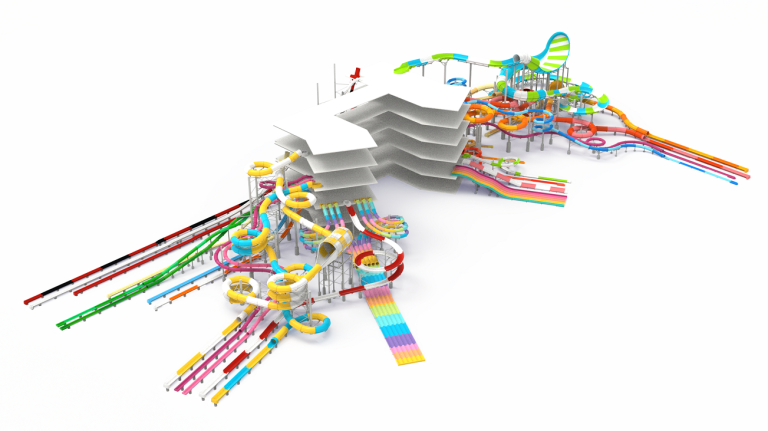
Asia’s resorts and Europe’s coastal parks are making different bets, yet both chase the same prize — crowd-stopping attractions that boost visitation and revenue. This comparative piece looks at why high-impact splash towers and mat racer attractions have surged in demand, and how operators should weigh ride profile against local markets. Early adopters in Singapore and Dubai pin much of their summer pull to attractions like the mat racer water slide, where throughput and spectacle meet in a tidy package.
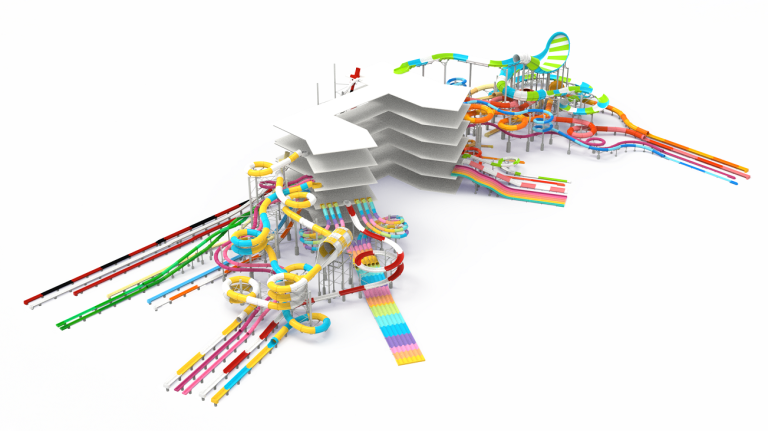
Comparative snapshot: market drivers in each region
Asia: urbanisation, domestic tourism and major resort investment keep demand high. Cities in Southeast Asia add waterpark capacity as family leisure options; this creates appetite for tall drops and fast-paced lanes with clear ride differentiation. Europe: mature markets favour diversification — historic seaside parks add a few steep thrills, while alpine and thermal resorts prefer splash towers that complement family pools and spas. Real-world anchors include Siam Park in Tenerife and Singapore’s Wild Wild Wet, both of which show how signature rides shape attendance patterns. The UNWTO reported strong recovery in international arrivals after the pandemic, reinforcing operators’ confidence to invest in new attractions.
Why high-impact splash towers sell — the practical reasons
Three concrete levers explain the pull: visual marketing, ride throughput and guest experience. A tall, sculptural tower reads well on billboards and social feeds; the drop height and visible flume lines create instant demand. From an operational view, throughput matters: lanes designed for quick dispatch reduce queues and increase daily rider counts. The technical talk — g-force experienced on launch, turn radius design and splashdown pool depth — becomes a sales argument when owners want predictable occupancy and secondary spend.
Design and operational trade-offs
Operators must balance adrenaline against capacity. A very steep water slide gives headline moments, but low rider capacity costs money in peak weeks. Conversely, mat racer setups can multiply throughput with parallel lanes and shorter dispatch intervals, yet yield less wow per rider. Consider these factors:
– Ride profile versus throughput: taller, single-conveyor slides increase intensity but limit hourly capacity.
– Maintenance access and material choice: flume joints, UV-stable gelcoat and corrosion-resistant supports lengthen life cycle.
– Safety envelopes and queue management: splashdown pool depth and run-out length determine safe deceleration.
Common mistakes operators make — lessons from installations
One frequent error is chasing headline height without modelling daily flow — the ride sits empty on weekdays. Another is underestimating local climate and seasonal variance; water heating or sheltering adds operating cost. During installations, teams often skip a full operational teardown to validate {main_keyword} and {variation_keyword} components under load. That omission shows up later as bolt fatigue or misaligned launch angles. Do the teardown; check ride bearings, conveyor tension and sensor logic.
Comparing suppliers and alternatives
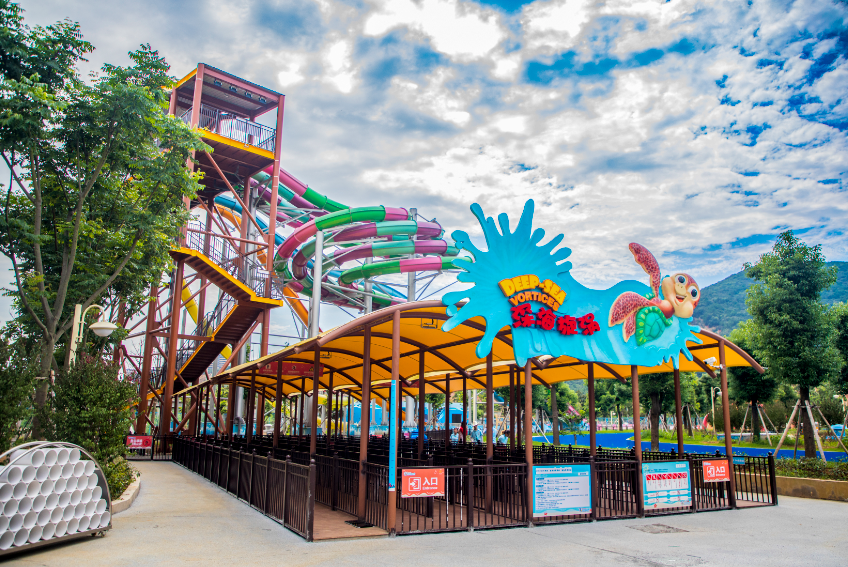
When assessing vendors, compare actual commissioning cases rather than glossy renders. Ask for ride logs that demonstrate throughput, incident history and maintenance intervals. Alternatives to a single giant tower include stacked mat racer complexes or modular steep setups that combine multiple flumes. Each alternative shifts the trade-off between headline impact and daily capacity — choose the mix that matches park profile and guest demographics.
Advisory: three golden rules for choosing splash strategies
1) Match capacity to market: model projected daily ridership, not ideal opening-week numbers. Throughput wins sustainability.
2) Prioritise maintainability: inspect material specs for UV resistance, joint tolerances and accessible service routes — these reduce downtime and lifecycle costs.
3) Validate experiential metrics: demand a demo of ride profile data (drop height, g-force peaks, splashdown deceleration) and guest flow studies before sign-off.
Good projects balance spectacle with sensible operations; that’s where the value lands for owners and guests alike. Dalang supplies practical designs that fit those needs — a sensible partner when a park moves from concept to day-one operation. Fresh thinking.