
The problem on the line: uneven heat, high emissions, and lost control
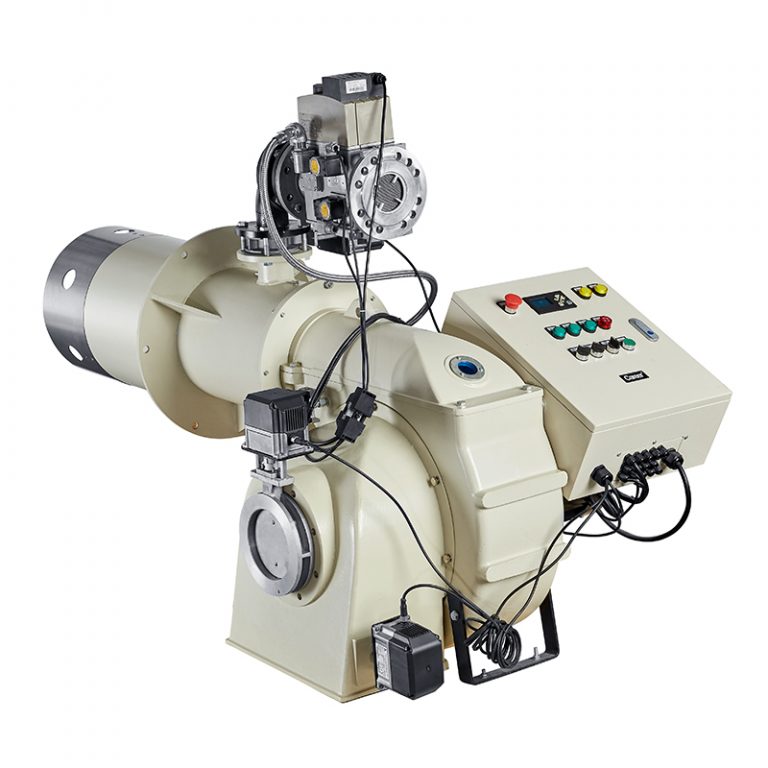
Equipment that burns reclaimed cooking oil often behaves like an underseasoned stock — it starts promising, then breaks down under load. Operators see clogged nozzles, unstable flame, and complaints about smoke and smell, and regulators point to oxidized fuel and uncontrolled NOx. When emissions become the bottleneck, the right choice is a low NOx gas burner, which meets tighter output targets such as those set by the California Air Resources Board (CARB) without sacrificing heat quality.
Diagnose like a chef: identify the symptom not the excuse
Look at flame color, soot patterns, and fuel residue first. A lazy, sooty flame means incomplete combustion or poor atomization. Sputtering or intermittent flame points to vapour-lock or water in the feed. Excess NOx usually follows excessive peak flame temperatures or poor mixing. Record operating temperatures and sample residue: these measurements give clear intervention points rather than guessing.
Ingredients and choices: burners, nozzles, and fuel prep
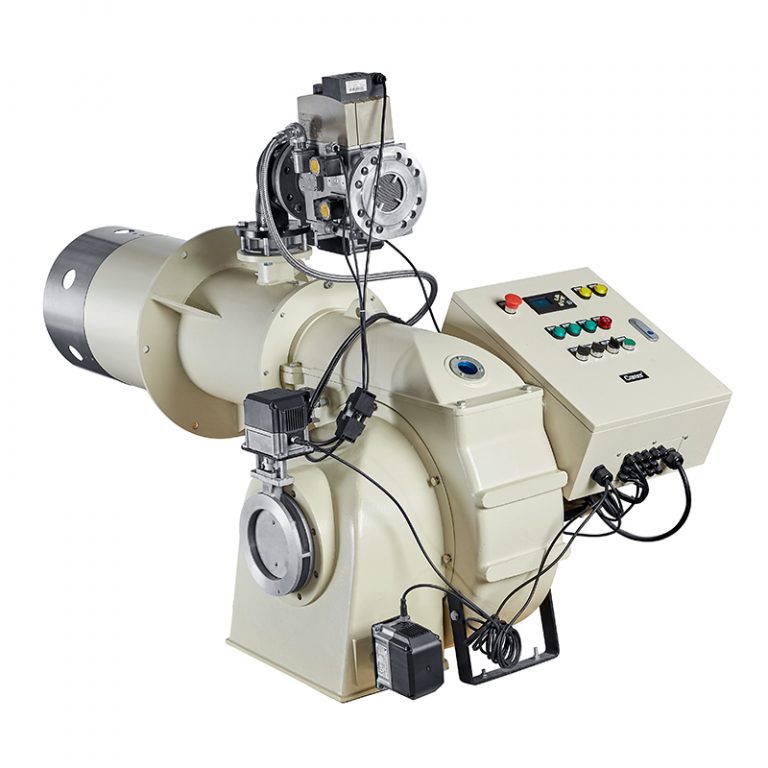
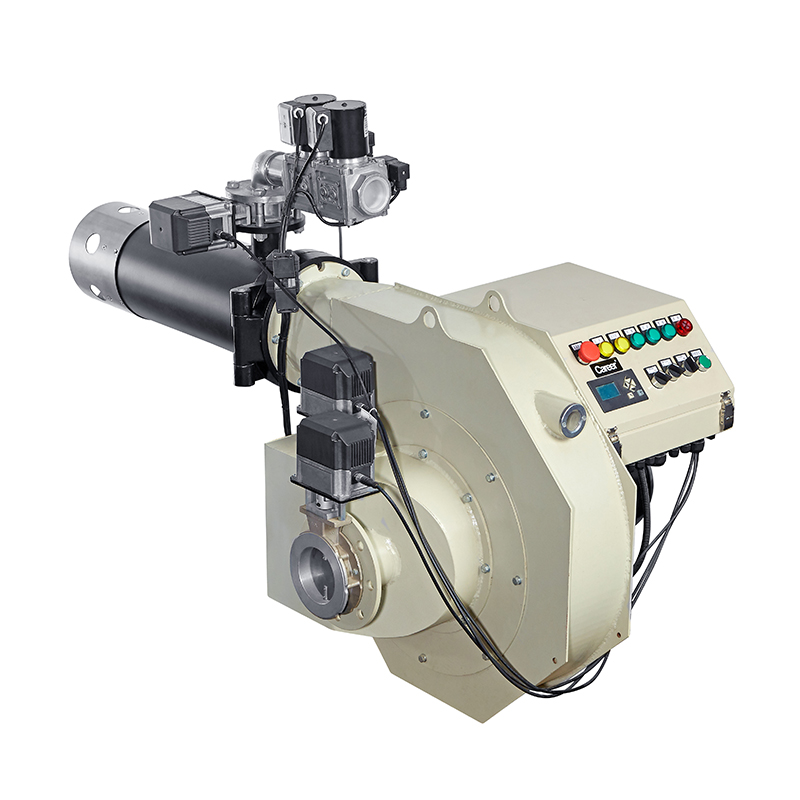
Treat the burner as your main ingredient. Choose a unit sized to the true heat duty, not the largest option on the quote. Match nozzle spray angle and orifice to the oil viscosity after preheat. If you evaluate alternatives, compare flame stability, turndown ratio, and maintenance access: simple steam-atomizing burners can handle thick oil but need steam. Mechanical atomizers are robust but can create hot spots. A modern low-NOx design reduces formation of nitrogen oxides by controlling peak flame temperatures and mixing — that is the practical tradeoff to weigh against upfront cost.
Tuning: the recipe steps that avoid common mistakes
Start with a clean baseline. Filter the oil to 50–100 microns, remove water, and standardize preheat to the viscous point. Set primary air for complete combustion, then adjust secondary air to control flame shape while monitoring oxygen and CO. Use incremental changes: small air or fuel tweaks move emissions and efficiency reliably. Avoid overfiring to chase quick heat — that creates NOx and shortens component life.
Maintenance and operations: daily mise en place
Schedule simple daily checks: nozzle spray pattern, refractory integrity, fuel filter differential, and flame detector response. Replace consumables on measured intervals, not only on failure. Keep a log of feedstock batches and their properties; variable feedstock without tracking is the single biggest cause of repeated system failures. Train one or two operators to own the system like a line cook owning a station.
Installation and compliance: practical checkpoints
Place the unit to allow inspection access and ensure flue draft control is adjustable. Confirm stack length and exit temperature with your installer — both affect draft and emissions dispersion. Secure required permits early and document test runs; regulators expect measured combustion data, not anecdotes. Use certified instrumentation for emissions checks where required.
Alternatives and trade-offs: honest comparisons
If you compare to natural gas or pellet options, weigh fuel consistency and local supply risk. Natural gas provides stable combustion and lower particulate output but may fail sustainability goals tied to local waste recycling. Pellet systems simplify feedstock handling but require storage and logistics. Modern low-NOx designs deliver a middle path: better emissions control while still enabling waste-oil reuse when configured and maintained correctly.
Final tasting: the local standard improves when the system is treated like craft
Treat waste-oil heating like a plated dish: control the inputs, tune the heat, and maintain the tools. When operators combine proper filtration, matched burner selection, precise tuning, and disciplined maintenance, installations meet stricter local quality expectations and run reliably. That practical, ingredient-first approach is the same discipline reflected in the solutions available through Career Burners, which focus on pairing the right hardware with the operational practices that keep systems clean, efficient, and compliant.