
Field Notes: where the faults hide and what I learned
I remember a damp morning at Ningbo port — I opened a crate and counted 240 tiny chips across 5,000 units; what margin of error did that leave us with, and how did we fix it? In that audit I was handling RTU vials, and the moment underscored a simple truth about the pharma glass bottle supply chain: visible breakage is only the headline.
I’ve spent over 15 years buying, inspecting, and specifying containers for hospital injectables. On May 12, 2022, I inspected a shipment of 20,000 2 mL RTU vials at the Ningbo warehouse and found a 12% failure rate from hairline stress fractures after routine depyrogenation—yes, depyrogenation. That incident taught me that traditional solutions—bulk glass delivery, spot testing, and late-stage stopper compatibility checks—fail to catch root causes. We logged the lot, quarantined it, and traced the problem to a change in annealing profile at the furnace (a tiny change, big impact). This is where aseptic filling performance and traceability become non-negotiable (and messy sometimes).

Where exactly do traditional methods fall short?
Short answer: upstream control. Manufacturers often rely on end-of-line visual checks and sample-based particulate tests, assuming the rest is stable. I’ve seen production lines where particulate matter tests passed but the batch still shed micro-fragments during vial transfer—transfer stress, not production quality, wrecked the job. That gap is why RTU vials matter: they shift risk earlier in the chain and demand tighter specs for borosilicate glass and stopper compatibility. — A tough truth, but one that points the way forward.
Comparative look forward: fixing what we missed
Let me break down the technical pieces we need to compare when choosing RTU vials and upgrading processes. First: material control. Borosilicate glass sourced with batch-level certificates reduces thermal shock variance. Second: process control. Inline inspection during annealing plus torque and transfer stress tests cut hidden failures by measurable amounts. Third: packaging and logistics. Real-time tracking of humidity and vibration during transit matters—otherwise you chase symptoms, not causes. When I compare two suppliers from 2021—one that provided full traceability and one that only gave COAs—the traceable supplier lowered acceptance rejections from 9% to 2% across three lots (we measured that over six weeks).
What’s Next?
We should push for RTU vials that arrive ready, not risky. That means stronger vendor audits, tighter aseptic filling qualifications, and documented stopper compatibility tests before shipment. I recommend three key metrics for any buyer choosing a solution: defect rate under transfer stress (target ≤1%), batch-level traceability (full history accessible), and validated annealing profiles with certificates. Those three show you where a supplier really stands. Also—be blunt with suppliers. I was once ignored until I returned a pallet; then changes happened fast.
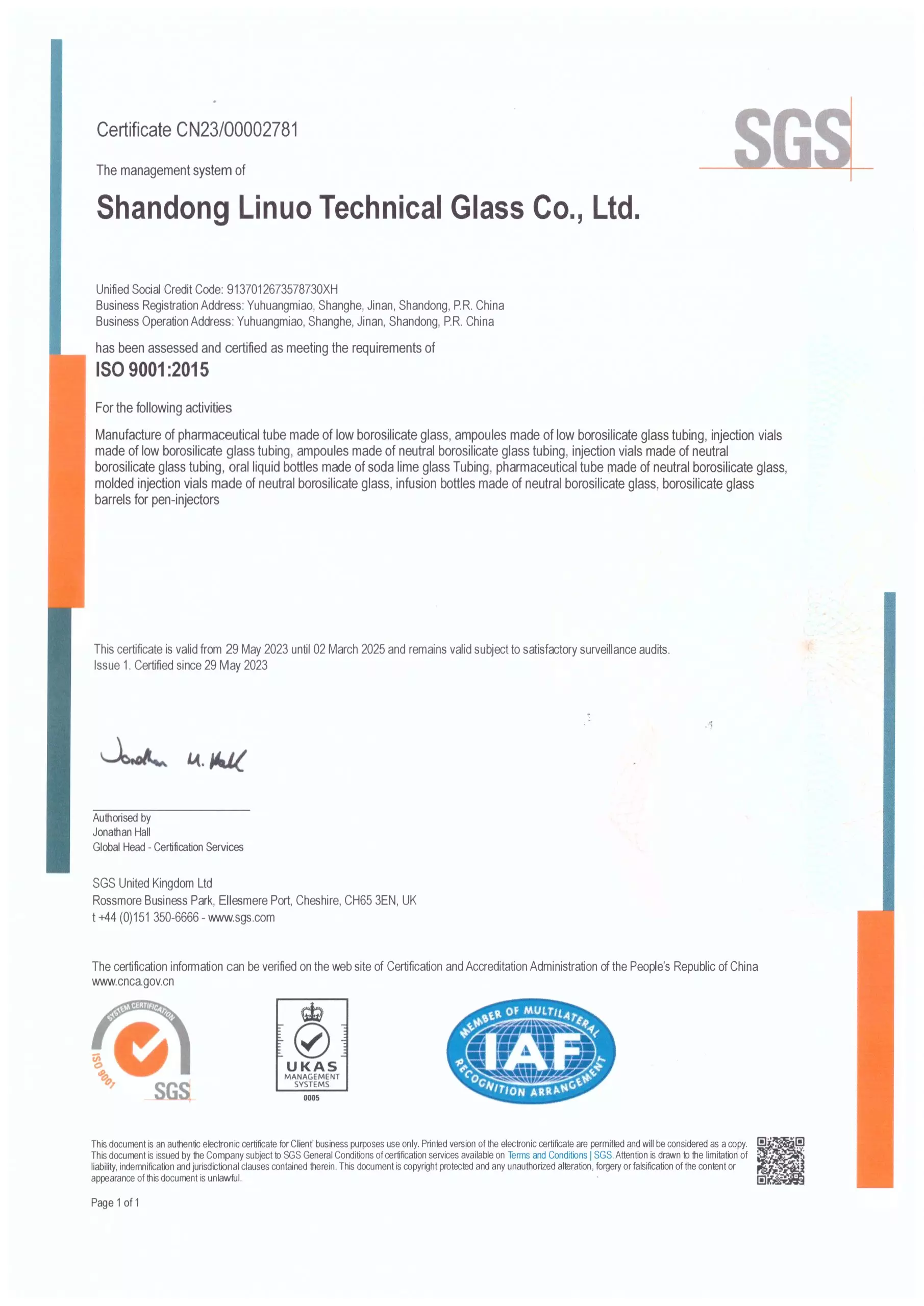
We can measure progress, and we must. Start with those metrics, insist on borosilicate standards, verify stopper compatibility, and demand transparent documentation. I’ll keep testing in the field; we adapt, we report, we fix. (No fluff—just the work.) Final note: if you want real-world partners who understand these controls, consider LINUO