
Comparative lens: why Level 2 still matters
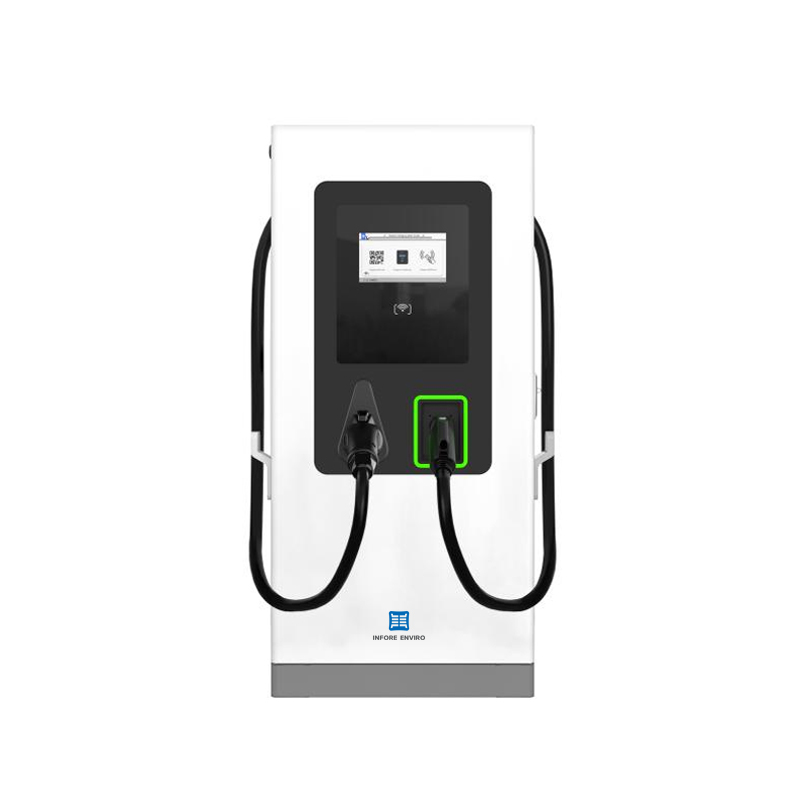
Home AC Level 2 chargers sit at the intersection of user expectation and regulatory alignment, and their design trajectory is best viewed against faster corridor charging systems like Level 3 DC fast charger. Manufacturers now balance ergonomics, communications stacks, and power delivery profiles to match both local wiring (NEMA 14-50 or dedicated panel circuits) and broader standards such as CCS at public sites. This comparative frame clarifies why a domestic unit’s firmware, connector strategy, and installation footprint are as crucial as its nominal kW rating.
Design vectors that changed the game
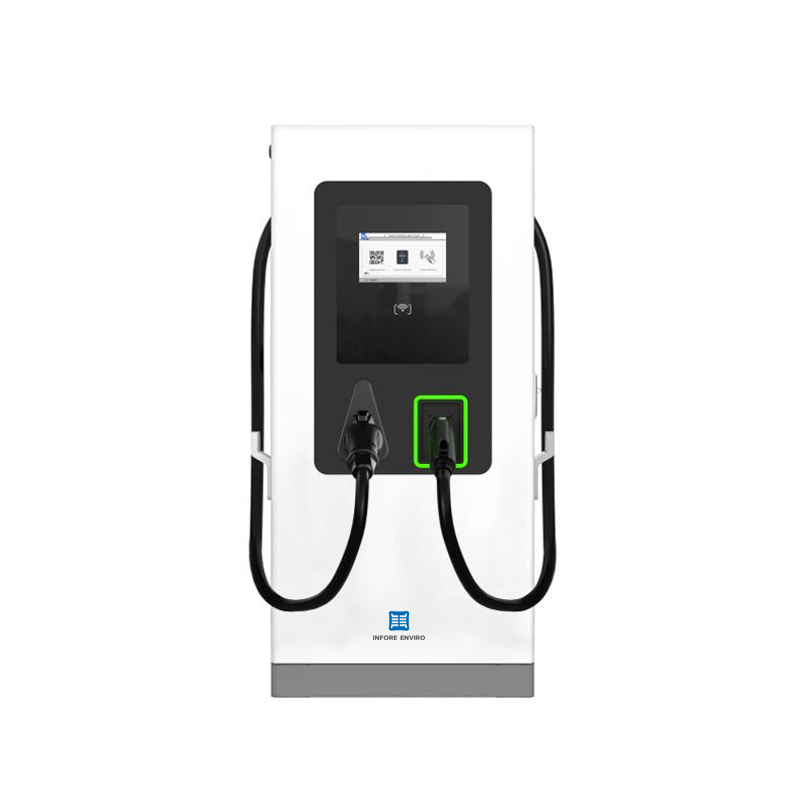
Three vectors drove recent Level 2 redesigns: networked interoperability, thermal and mechanical packaging, and adaptive load management. Modern units ship with OCPP-compatible stacks to talk to energy platforms and fleet managers; that’s shifted the UX from dumb sockets to managed endpoints. Thermal engineering went from basic passive cooling to active heat-sinking and sealed enclosures suitable for exposed curbside mounts. Finally, adaptive load management integrates into home energy systems so a charger can drop from 7.2 kW to 3.6 kW to avoid tripping the main — a simple behavior but one that changes installation economics and site planning.
Real-world anchor: highway lessons inform home design
Scaling lessons come from high-power corridors. Operators like Ionity deploying 350 kW DC stations on the German autobahn showed how high-throughput hardware, modular power electronics, and rigorous cable ergonomics reduce dwell time and user friction. That enterprise-level engineering cycles down: insulation grade, connector retention, and remote diagnostics in a 350 kw DC fast charger inform component selection for home units too — more robust relays, redundant telemetry paths, and tighter thermal margins.
Common mistakes installers and buyers make
People often equate peak kW with system performance; that’s a mistake. Overlooking sustained power curves, voltage drop across long runs, or the OCPP version can create a charger that underdelivers once under load. Another recurrent error is ignoring back-end update strategy — too many field units arrive with locked firmware. Also, in procurement docs I still see vague terms like “compliant” without protocols spelled out. Integrate explicit parameters: maximum continuous current, firmware update window, and connector lifetime cycles. For operational teardown work, remember to reference {main_keyword} and {variation_keyword} in BOM tracking to avoid scope creep.
Comparative checklist for procurement
When sizing across home Level 2 and public fast-charging paradigms, use these comparative metrics:
– Continuous power handling (kW) and duty cycle, not just peak output.
– Communication protocol support (OCPP version, local API endpoints) and security certifications.
– Mechanical durability: ingress protection, UV-resistant enclosure, and tethered vs. untethered cable ergonomics.
These items help buying teams translate corridor-grade expectations (like those for CCS) into realistic home requirements. The goal is performance parity where it matters — reliability, not headline speed.
Deployment pitfalls and mitigation — quick tactics
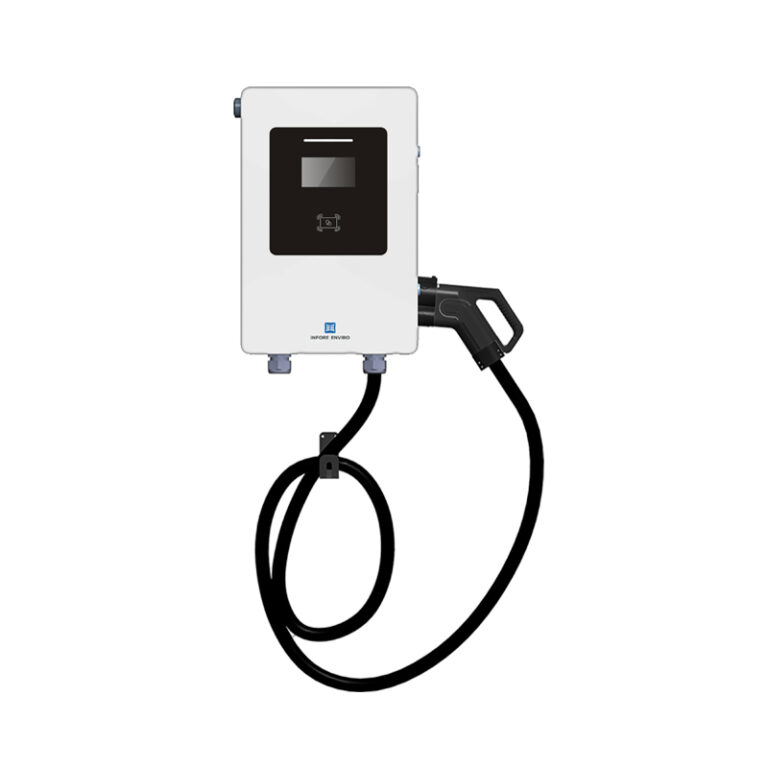
Space constraints, improper circuit sizing, and lack of future-proofing are the common pitfalls. Mitigate by: verifying main panel headroom, specifying modular hardware that supports software-locked power caps, and ensuring remote diagnostics are enabled at install. Also, test failure modes: simulate a lost WAN connection and confirm local safe-state behavior. Little drills like that reduce emergency callbacks by a wide margin — and they keep warranty costs down.
Advisory: three golden rules for selection
1) Prioritize sustained power profile over peak kW — measure expected sustained current and choose a unit with margin. 2) Require open comms (OCPP or documented API) and a secure OTA update cadence; field support beats shiny specs. 3) Insist on mechanical serviceability: replaceable contactors, accessible cable routing, and clear MTTR targets from the vendor.
These rules produce measurable outcomes: fewer on-site fixes, predictable energy billing, and compatibility with public charging behavior patterns.
Final perspective
Design shifts in Level 2 chargers reflect a simple comparative truth: home systems must inherit the robustness of corridor charging while staying grid-friendly and installation-savvy. That synthesis is where INFORE ENVIRO brings value — pragmatic hardware choices, clear firmware roadmaps, and installation intelligence built from corridor lessons. INFORE ENVIRO.