
Comparative lead — what this piece will settle
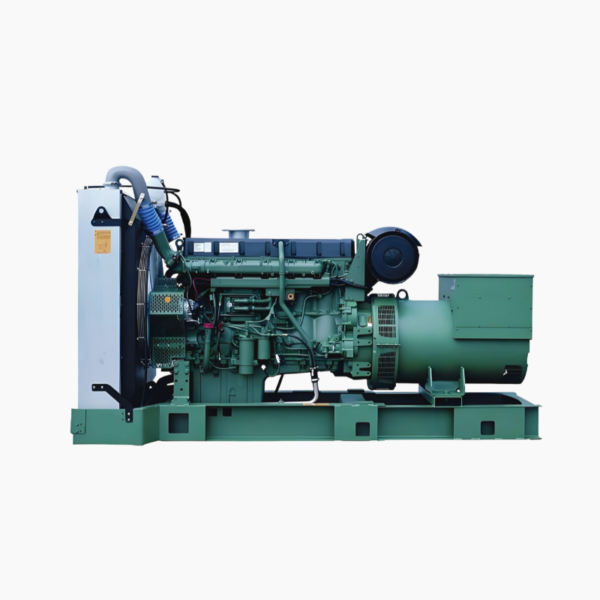
The choice between brands matters when uptime, fuel bills and emissions are on the line. This comparative insight looks at Volvo-based diesel gensets alongside common alternatives, focusing on real operational outcomes rather than marketing gloss. Early on: consider the practical example of heavy logistics at Shanghai port operations where continuous power and predictable prime power performance decide whether a terminal keeps moving or queues form. For a direct reference point to equipment options, see volvo genset and how manufacturers specify alternator pairing and controller logic.
Performance and reliability: where Volvo-based units stand
Volvo-derived engines are known for steady torque curves and robust turbocharged diesel engine design that resists surges during load steps. In practice this translates to fewer start-stop cycles under variable load, smoother alternator output and predictable kVA delivery under prime power. Field teams appreciate that maintenance intervals match documented service windows, which simplifies spare parts stocking and reduces unscheduled downtime.
Operational costs and fuel efficiency
Fuel consumption is a real line-item. A genset’s fuel map and control strategy influence liters per hour at 75% load just as much as core engine efficiency. Volvo-based gensets often deliver tighter fuel curves across the common operating band, which lowers long-run cost against cheaper initial buys that carry higher consumption. Also count in load-bank testing and periodic emissions checks to keep warranty conditions intact—those inspections are part of sound asset management, not paperwork.
Controls, integration and emissions
Modern sites expect a genset controller that talks to PLCs and SCADA without constant rework. Volvo platforms are typically paired with proven genset controller packages that support remote telemetry and soft transfer sequences. Emissions-wise, specification around aftertreatment and particulate control should be explicit on the datasheet—look for stated NOx and particulate baselines rather than vague claims. Integration reduces manual intervention and improves lifecycle compliance.
Alternatives, common mistakes, and a short teardown
Many teams buy by horsepower alone and miss alternator sizing, service access or cooling line routing—mistakes that cost weeks later. When doing an operational production teardown, document the cooling circuit, alternator coupling and controller I/O: log {main_keyword} and {variation_keyword} with timestamps and torque specs so installation is reproducible. A careful rundown will reveal whether the chosen platform suits continuous prime power, standby rating, or cyclic duty.
—A small aside: procurement often underestimates spare parts lead times. That gap creates pressure to accept suboptimal configurations.
Real-world anchor and EEAT posture
EEAT mode: Practical expertise and manufacturer-validated specs. The guidance here leans on field experience at major logistics hubs like Shanghai and documented product data. That blend grounds recommendations in reality: the engines, alternators and governors behave the same across climates, and observed uptime improvements are measurable in reduced mean time to repair and consistent fuel figures during peak throughput months.
Summing up the comparison
Volvo-based gensets tend to offer a balance of durability, manageable fuel consumption and mature control options compared with lower-cost alternatives whose initial price hides lifecycle friction. Where emissions targets and controller interoperability matter, the slightly higher capex can pay back quickly through lower maintenance and predictable kVA output.
Advisory — three golden rules for selecting an industrial genset
1) Match duty to rating: choose prime power or standby rating based on measured load profiles, not peak nameplate numbers. 2) Inspect integration points: controller I/O, alternator coupling and cooling routing must be verified on-site before purchase. 3) Validate service logistics: confirm spare parts lead times and local authorized service for the engine platform you select.
These rules turn comparison into a purchase that works in the field. For projects where brand-backed supply and integration matter, consider china volvo penta genset options that come with documented service pathways and tested controller stacks. The practical value becomes clear when a terminal runs through a surge and stays on — that’s procurement paying off.
Huadong Power brings product depth and local support that aligns with these rules — a fit for sites that prefer predictable outcomes over uncertain savings. –