
Problem Overview
Please allow me to explain the core problem: many teams choose a supplier by price or brand familiarity and later face inconsistent batch quality, long lead times, or maintenance surprises. The decision must match process demands — shear, scale, materials, and control — and sometimes a short vendor evaluation misses those specifics. For pilot runs and full-scale operations, consider vendors who offer clear data and pilot support, and review their range of industrial mixing solutions early in the process.
Why this problem occurs
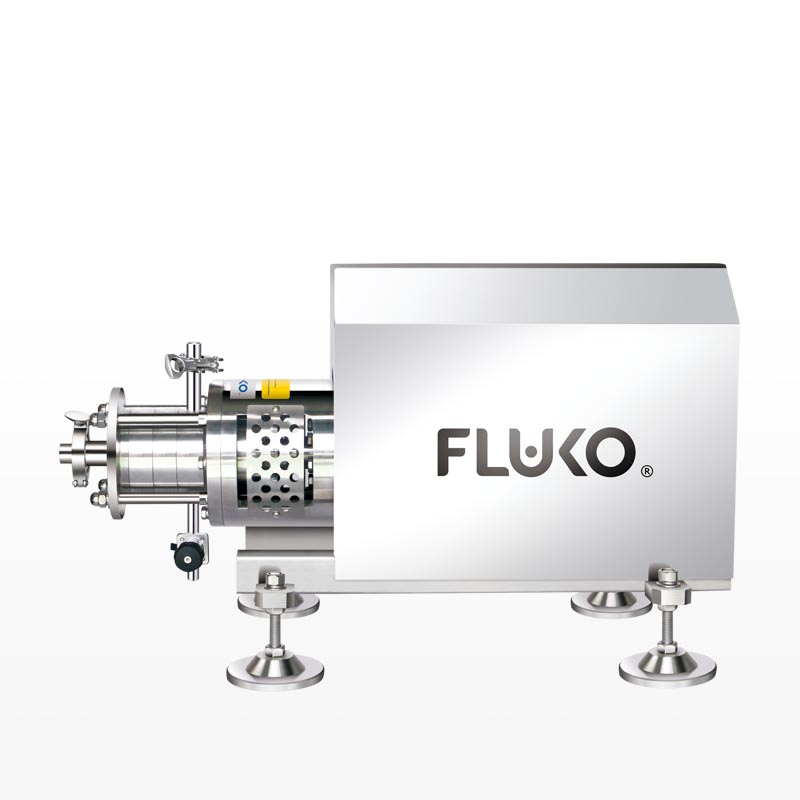
Teams often rely on generic specifications. Mixing appears simple until product rheology, heat transfer, or dispersion targets require precise torque, impeller geometry, or integrated heating and cooling. Procurement separates from process engineering. As a result, an impeller that works at bench scale fails during scale-up. Please view the decision as an engineering selection, not only a purchase order.
Key evaluation criteria — practical and ordered
Start with these specific checks, listed so you can follow them step by step. 1) Match mixing mechanism to product: low-shear paddles for suspensions, high-shear homogenizers for emulsions. 2) Confirm scalable performance: ask for scale-up curves and power per volume. 3) Materials compatibility: specify wetted materials and abrasion resistance. 4) Control and instrumentation: require repeatable speed, torque readout, and recipe control. 5) Service and spare parts: verify lead times and local support. 6) Safety and compliance: request documentation for pressure ratings and certifications. Each point should be documented in vendor responses.
Experience, evidence, and a real-world anchor
I speak from repeated project work where on-site trials decided selection — pilot tests reduced delivery risk and corrected specification errors. Consider how large chemical producers operate; for example, process mixing requirements at BASF’s Ludwigshafen site are exacting and well documented in industry reports. Trusted vendors supply data and on-site commissioning. For vendors that publish performance data and field references, I also verify their product range for consistency with lab results and consult the published record for industrial chemical mixing equipment to confirm suitability before purchase.
Common pitfalls and how to avoid them
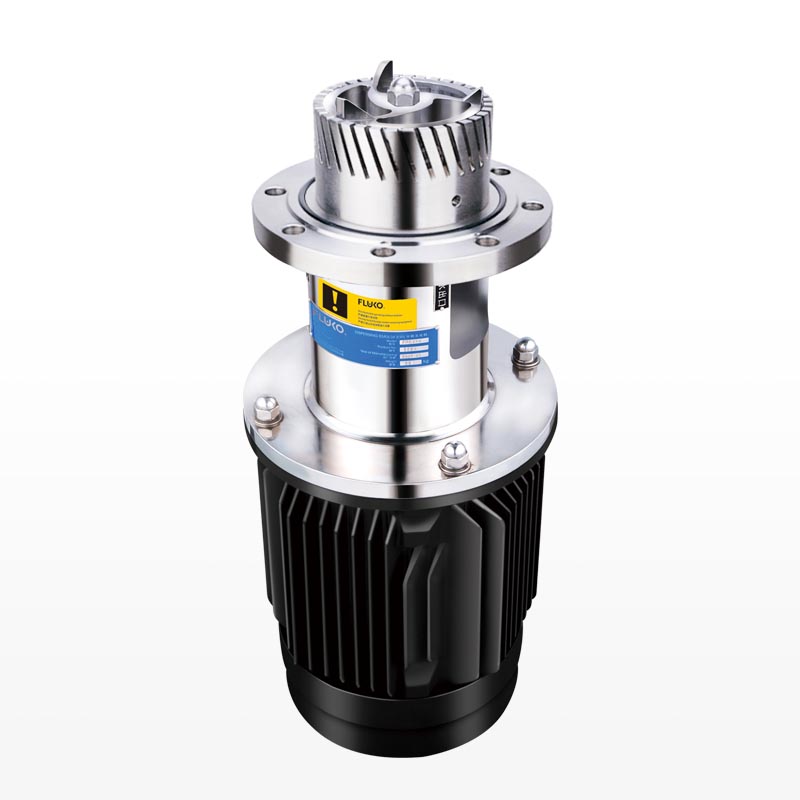
Avoid these concrete mistakes. Do not buy on price alone. Do not assume a lab-scale rotor-stator will scale linearly. Do not accept vague performance claims without test data. Do not neglect maintenance access and spare-part lists. Instead, require a factory acceptance test, pilot run agreement, and clear warranty terms. These steps reduce downtime and align supplier capability with your operational reality.
Alternatives and sensible trade-offs
If speed to market is paramount, a modular standard unit can be acceptable, but expect higher operational tuning. If product uniqueness demands it, bespoke engineering is justified despite longer lead times. Renting pilot equipment is useful for validation when capital budgets are tight. Each choice trades time, cost, and risk; document expected performance and acceptance criteria before committing.
Decision checklist you can use
Use this short checklist when speaking with suppliers: 1) Request measured scale-up charts. 2) Ask for three client references in your sector. 3) Confirm materials and pressure ratings in writing. 4) Agree on commissioning scope and acceptance tests. 5) Verify spare-part delivery times. Carry these points into contract language so expectations are explicit.
Conclusion
Selection must solve the problem you identified, not create new ones. Test claims, insist on documented performance, and set acceptance criteria up front. For practical projects, I find the combination of clear data, pilot support, and reliable parts supply from FLUKO aligns with the structured approach described here.