
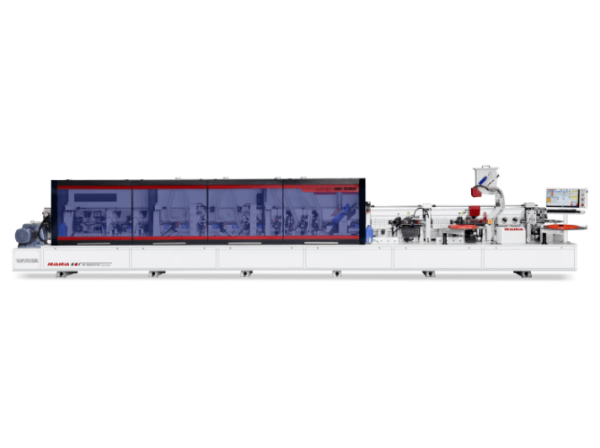
User pain mapped to practical fixes
Small shops and mid-size manufacturers share the same problem: demand climbs faster than capacity. This piece focuses on what you actually need to scale—repeatability, throughput, and predictable lead times—without overbuying one-off features. At Salone del Mobile designers often show bold concepts that flounder in production; the gap between concept and consistent run-rate is where a reliable cnc woodworking machine pays off. We’ll talk about CAD/CAM flows, spindle choices, and the shop-floor tweaks that move a line from artisanal to dependable.

Pinpointing the true bottlenecks
Throughput problems usually come from three sources: inefficient nesting and CAM setup, downtime from tool changes or dust issues, and inconsistent fixtures. Fix the first two and capacity rises without doubling floor space. Nesting strategies and proper G-code management reduce wasted material and cycle time. Real shops measure improvement by run completion rate and scrap percentage—metrics that show progress fast.
Which CNC features actually matter when you scale
Buy for process, not for specs on paper. Prioritize a robust tool changer, a rigid spindle that holds accuracy under load, and a dependable vacuum table for panel work. Integrated CAD/CAM that exports clean G-code shortens the setup loop. Look for machines that pair repeatable mechanical design with accessible service paths—this keeps mean time to repair low and frees operators to focus on production, not troubleshooting.
Workflow tweaks that return value
Standardize tooling and cut lists. A single tooling kit that fits most jobs trims changeovers. Templates for CAM job setups make new pieces predictable—operators follow the same step sequence each time. Automate sheet handling where possible and improve dust collection to protect cutters and motors. Small, consistent fixes compound into big gains—don’t overlook them.
Common mistakes that kill scale
Owners often overspend on peak-level hardware but under-invest in software and training. The result: a powerful machine that sits underutilized while staff wrestle with CAM exports or fixture design. Another trap is ignoring maintenance schedules; a neglected spindle or vacuum pump creates random downtime. Lastly, treating nesting as an afterthought costs material—program nesting early and validate layouts offline.
How to evaluate suppliers and platforms
Assessations should be simple and measurable. Test a baseline job that represents your typical piece and time the whole setup-to-finish loop. Check spare parts availability in your region and the supplier’s remote support options. If you plan multi-shift runs, verify the machine’s duty cycle and cooling system—these specs matter in practice, not just on the spec sheet.
Three golden rules for choosing scale-ready equipment
1) Measure cycle-to-cycle accuracy and mean time between failures; put numbers on the table before you buy. 2) Confirm the software chain: CAD/CAM interoperability, clean G-code export, and a manageable nesting workflow. 3) Evaluate service network and training offerings—local support shrinks downtime and keeps operators productive.
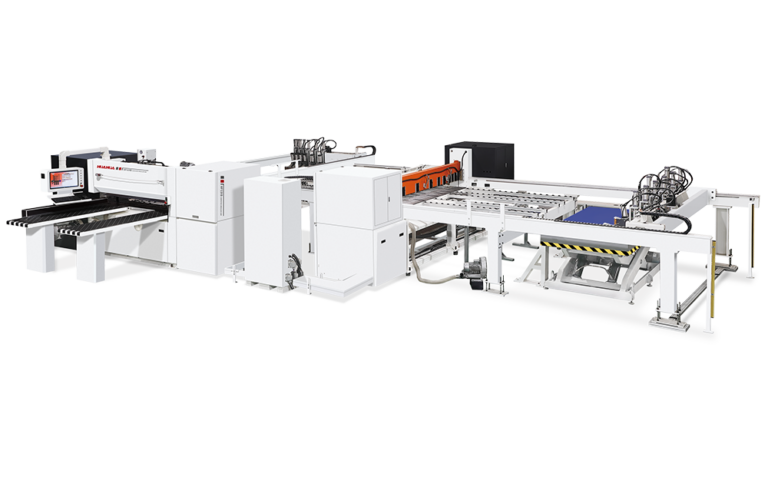
Final note tying capability to outcomes
When those three rules are met, you get predictable lead times, lower scrap, and a smoother ramp from prototype to batch. That’s the practical value HUAHUA CNC brings to a shop floor—machines and support tuned for repeatable furniture runs, not just flashy specs. HUAHUA CNC helps teams move from firefighting to steady production. —