
Why the small stuff tanks output (my on-roof wake-up call)
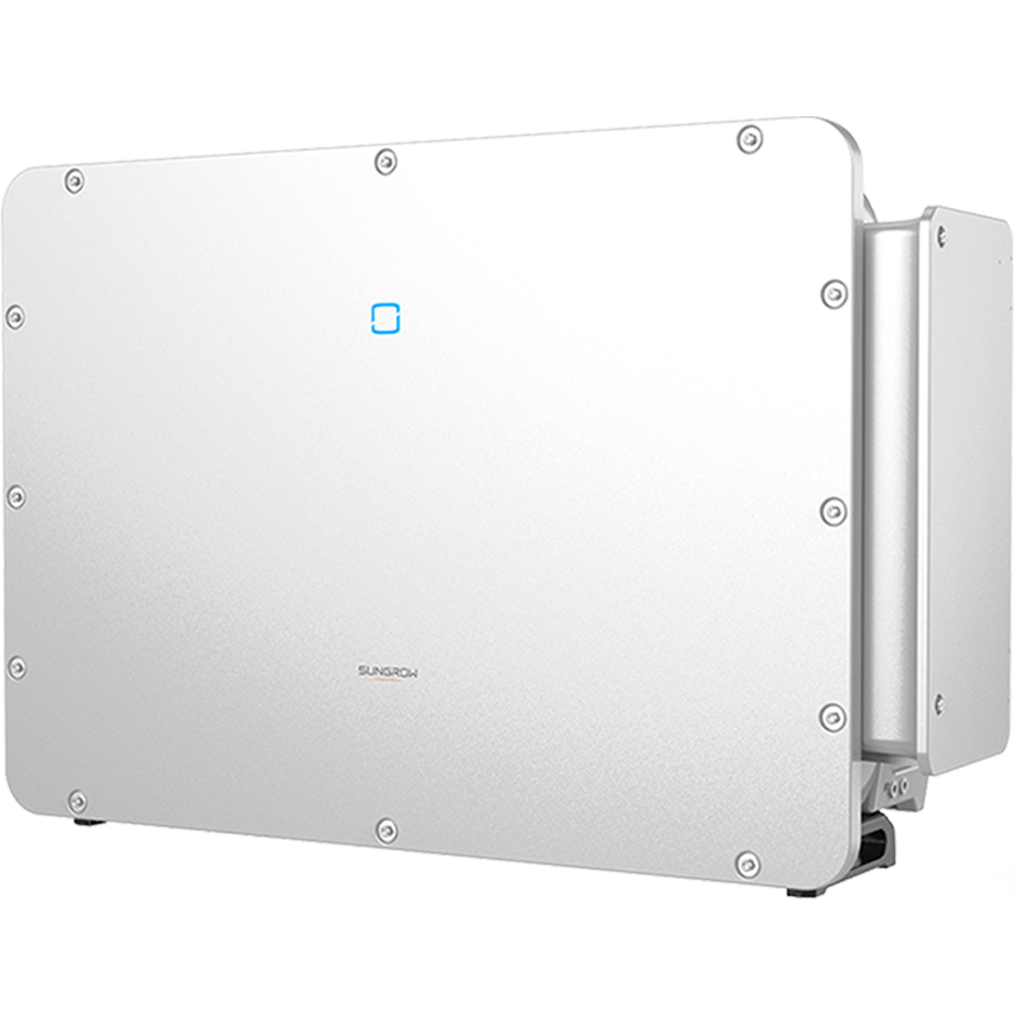
I was on a hot rooftop in Tucson one July and watched a 30 kW array underperform by 22% over a week—what exactly ate that energy? That hairline problem led me straight into the guts of a sungrow string inverter install, and yes, string inverter behavior matters more than people give it credit for. I use “string inverter” to mean the device that handles string-level MPPT and DC/AC conversion for each run of panels; in practice the unit, firmware, and monitoring together decide whether you hit modeled yield or fall short.

I vividly recall pulling logs from an SG110CX on that job (August 2022) and seeing repeated MPPT hunting during passing clouds—each hunt cost roughly 0.4% per event in effective inverter efficiency. Traditional fixes—oversizing arrays, adding panels, or swapping out modules—miss this deeper layer: transient MPPT stability and string-level mismatch. Installers focus on panels and racking; they shrug off software and AC coupling setups (heads-up: that’s where surprises live). That complacency creates hidden pain: repeated curtailment, erratic PR, and headaches at warranty time. Let’s move from the problem to what actually helps next.
Where to go from here — practical, comparative fixes
I’ve run commercial bids for wholesale buyers and installers for over 15 years, so I look at choices by measurable impact: monitoring granularity, thermal derating behavior, and MPPT architecture. Compare a basic grid-tie string inverter to a modern SG unit with per-string monitoring—you’re not comparing price alone; you’re comparing data resolution and the speed of fault detection. When I put two systems side-by-side in 2023 (one with basic telemetry, one with string-level monitoring), the string-monitored array cut mean-time-to-detect from 14 days to under 36 hours—real savings in labor and lost production.
What’s Next?
Think forward: choose inverters with reliable MPPT algorithms, strong DC/AC conversion efficiency at partial load, and robust remote diagnostics. I prefer options that allow firmware updates and deep analytics—so when a pattern of mismatch appears, we act before panels degrade or a combiner fuse trips. Compare warranty terms and OTA support too; they’re not sexy, but they cut re-site costs. And yes — I still test in-person. Small field checks (I schedule them quarterly) pick up things the dashboard sometimes misses.
Three quick metrics I use to pick winners: 1) MPPT resolution and number of independent trackers, 2) real-world efficiency curve (not just peak percent) and thermal derating behavior, 3) monitoring granularity + warranty response time. Use these to score proposals — it’s simple math and saves time. I’ll keep digging into firmware trends and real-world PR impacts — meanwhile, if you want a benchmark, start with a sungrow check and compare logs yourself. sungrow