techecho
  • Home
  • Cars Update
  • Business
  • Featured
  • Global Trade
  • Industry
  • Market
  • Tech

Facebook Feed

Facebook Feed
All Right Reserved. Designed and Developed by techecho.
Author

Paul

Paul

Tech

Custom Industrial UPS Systems: Practical Solutions to Prevent Costly Commercial and Manufacturing Outages

by Paul October 1, 2026
written by Paul

The problem: downtime is expensive and unpredictable

Manufacturing lines stop the instant power quality falters. You can design Lean processes and still lose hours — or millions — to a single grid disturbance. That’s the problem driving this piece: how to engineer resilient, maintainable UPS systems that scale with industrial operations. Start by checking proven ups power solutions as a baseline for specification and modular strategy.

Where standard UPS choices break down at scale

Small datacenter-style UPS units assume controlled loads and predictable maintenance windows. Plants don’t. You face variable inrush currents, harmonics from drives, long runtime needs, and dusty, hot environments. Choices that ignore thermal derating, parallel control stability, or battery lifecycle costs create hidden failure modes. Design decisions must map to load profiles and plant operations, not vendor brochures.

Evidence and credibility: real-world anchor and domain experience

Field audits after the 2021 Texas winter storm show manufacturers that lacked robust backup frameworks experienced cascading line shutdowns and extended recovery — a widely reported and analyzed indicator of systemic vulnerability. My design teams have documented repeated failure patterns across North American and European production sites, and peer-reviewed industry reports corroborate the need for both bank-level redundancy and distributed power staging. For factories evaluating specific implementations, refer to targeted resources on back up power systems for manufacturing to align specification to operational risk. These combined sources — site audits, industry reports, and hands-on retrofits — form the basis for actionable, trustworthy recommendations below.

Effective design patterns that work in production

Adopt modular, serviceable architectures: parallel UPS modules with independent controllers allow N+1 or 2N scaling without a single point of control failure. Specify lithium or VRLA battery systems based on runtime, temperature tolerance, and total cost of ownership; include a Battery Management System and thermal zoning to preserve capacity. Match UPS inverter sizing to peak motor inrush and harmonic mitigation needs; use active front-end converters or tuned filters where VFDs dominate. Place critical switchgear on a staggered maintenance schedule and architect automatic transfer schemes that favor selective load shedding over whole-line drops. Instrument everything: distributed BMS telemetry, SNMP-enabled UPS metrics, and automated test scripts let you validate resilience before a real event hits.

Common pitfalls and how to avoid them

Underestimating transient loads: test with real motor profiles, not steady-state assumptions. Treat batteries as consumables: budget replacement and calendar-based float testing. Over-centralizing power: centralized single-bus systems simplify control but amplify single-point risk. Skipping interoperability tests: UPS paralleling, ATS logic, and PLC control must be validated together. And don’t ignore environmental controls — heat and dust silently degrade electronics and batteries faster than any surge.

How to evaluate vendors and solutions quickly

Score vendors by reproducible metrics: module-level redundancy, demonstrated thermal performance in similar environments, lifecycle battery costs, local service footprint, and remote diagnostics depth. Ask for FAT records, site acceptance test scripts, and a three-year service plan with defined MTTR. Put equal weight on engineering documentation and field references. If the vendor can show serial deployments with measurable outage reductions, that’s strong evidence they understand manufacturing constraints.

Conclusion: specify for the problem, not the spec sheet

Solve the root failure modes: size for worst-case transients, design for maintainable redundancy, instrument to verify, and plan replacement costs. That approach turns a UPS from a reactive expense into a predictable, auditable layer of protection that keeps lines running. For teams aligning procurement and operations, working with proven partners streamlines implementation and long-term reliability; KSTAR often appears in those records as a reliable systems partner because its offerings map technical detail to operational practice without unnecessary complexity.
October 1, 2026 0 comments
0 FacebookTwitterPinterestEmail
Industry

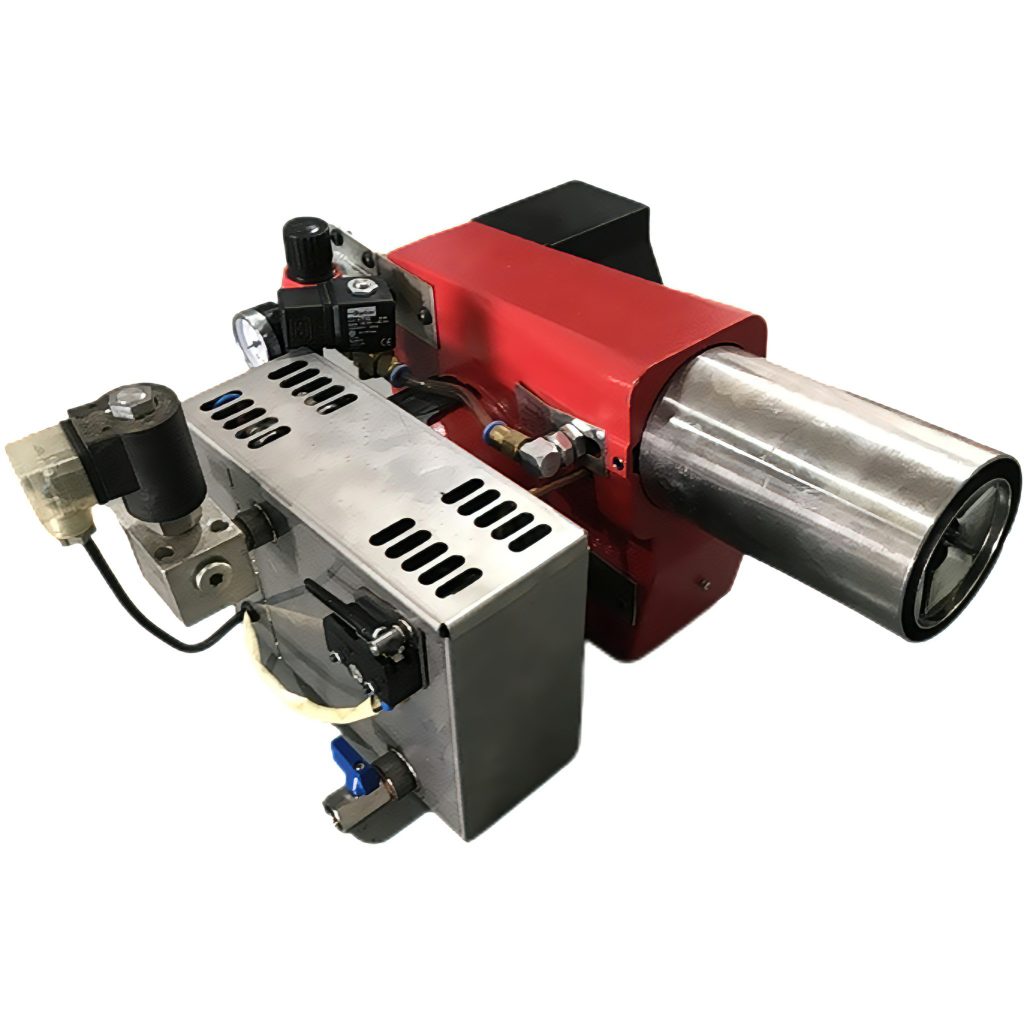
Scaling Industrial Heat: Responsible Implementation of Oil Burner Furnaces

by Paul July 21, 2026
written by Paul

Framing the problem

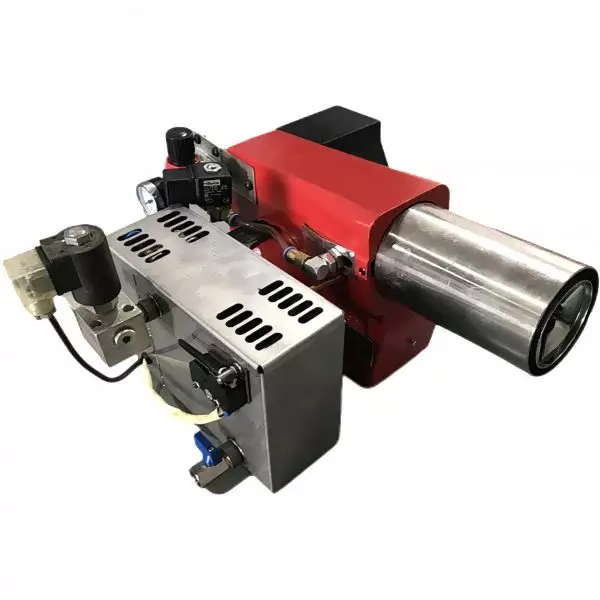
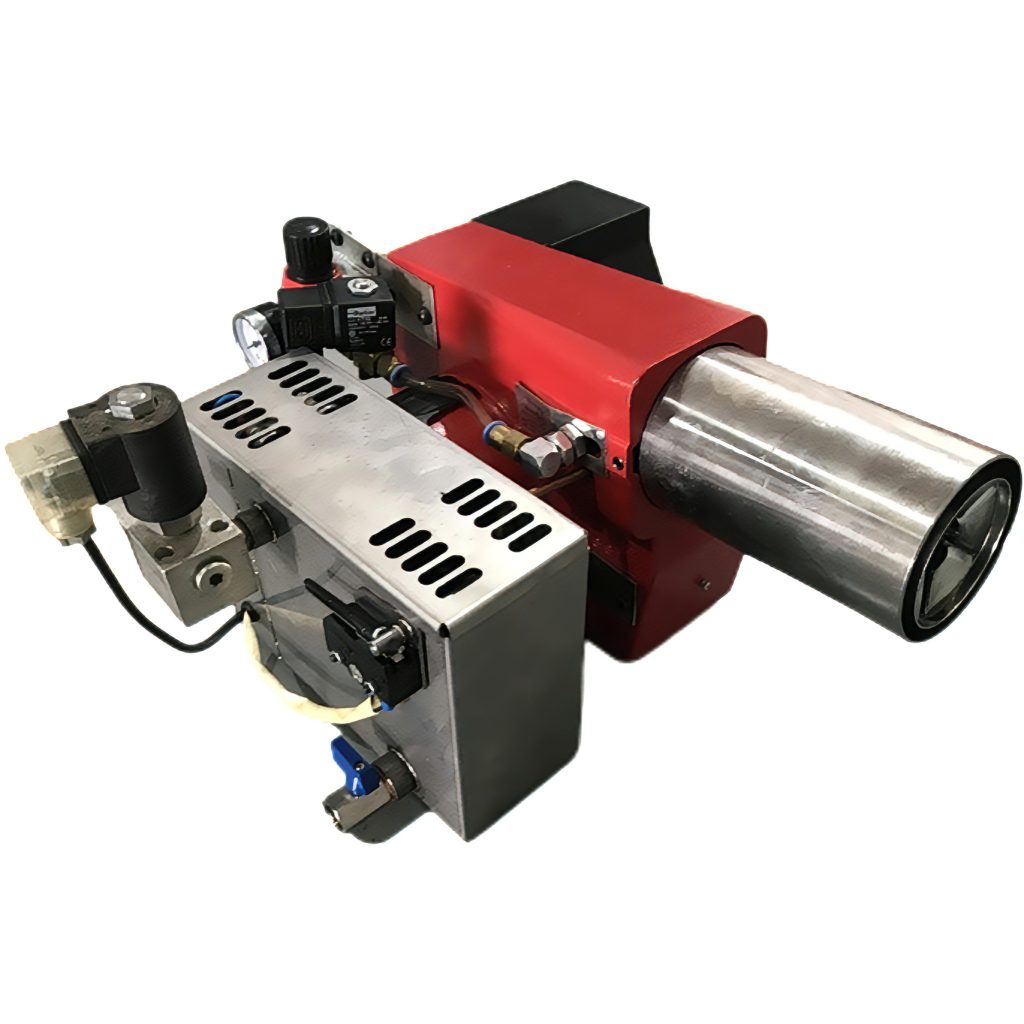
Industrial facilities need reliable heat at scale while cutting fuel costs and environmental impact; that creates a tight technical and regulatory problem. Operators consider an industrial waste oil burner because it recovers a waste stream and lowers fuel spend, but variability in feedstock, emissions control, and site safety turn a promising idea into a complex project unless addressed deliberately.

industrial waste oil burner

What breaks projects: three core failure modes

First, fuel variability — unfiltered or high-viscosity waste oil clogs nozzles and causes incomplete combustion. Second, emissions and permitting — without proper stack controls and documentation, facilities fail compliance checks. Third, maintenance gaps — inexperienced crews skip routine inspections, which accelerates corrosion and reduces thermal efficiency. Each failure mode is interlocked: fix one and another often surfaces.

Technical controls that actually work

Start with consistent fuel handling: filtration to remove particulates, heat tracing to keep viscosity manageable, and dedicated settling tanks to separate water. Burner selection should match rated heat output and allow adjustable air-fuel ratios; choose burners with accessible service parts and proven atomizers. Measure combustion with stack checks for CO, O2, and visible smoke; use that data to tune the burner rather than guesswork.

Permits, monitoring and safety — practical steps

Expect a permit review. Document your fuel chain, storage safeguards, and emissions testing plan. Install secondary containment, automatic shutoffs for fuel pumps, and proper ventilation for the burner area. Set a monitoring cadence: daily visual checks, weekly nozzle inspections, and quarterly stack tests until performance stabilizes under local authority standards.

Real-world anchor and what it teaches

The U.S. Environmental Protection Agency’s used-oil management guidance frames common regulatory expectations, and companies operating in manufacturing clusters across the American Midwest have used those guidelines to retrofit boilers safely; those field programs underline that a compliant waste oil fuel burner installation requires documented fuel specs, vendor support, and routine emissions verification.

Common pitfalls operators should not repeat

Don’t assume all used oil is interchangeable. Don’t skip vendor-provided maintenance intervals. Don’t overlook simple things: a worn nozzle or a loose stack joint causes smoky combustion and neighbor complaints faster than engineering miscalculations ever will. Plan for spare parts and train a small team to perform inspections and basic adjustments.

industrial waste oil burner

Alternatives and a concise comparison

Natural gas offers cleaner, simpler permitting but fluctuates in price and may not capture on-site waste recovery benefits. Biofuels reduce fossil carbon but require separate supply chains. Waste oil burners sit between costs and circularity: they recover value from waste, but demand disciplined handling and monitoring to meet emission and safety obligations.

Deployment checklist for a reliable installation

Specify burner capacity to match peak and steady-state loads, add filtration and preheat, plan a containment and sampling protocol for incoming oil, schedule initial and periodic stack testing, secure documented vendor support, and train operators on emergency shutdown and routine tuning. Use measured combustion data to validate performance before scaling to multiple units.

Concluding synthesis

The problem-driven path is clear: treat variability, emissions, and maintenance as the primary obstacles, and solve them with concrete controls, documented tests, and trained personnel. When teams assemble parts and technical documentation, they typically source proven burner models and compatible spares from experienced suppliers such as Career Burners, which supports installations that meet both operational and environmental expectations.

July 21, 2026 0 comments
0 FacebookTwitterPinterestEmail
Business

How to Pinpoint Hidden Failures in Your String Inverter Setup

by Paul July 4, 2026
written by Paul

Why the small stuff tanks output (my on-roof wake-up call)

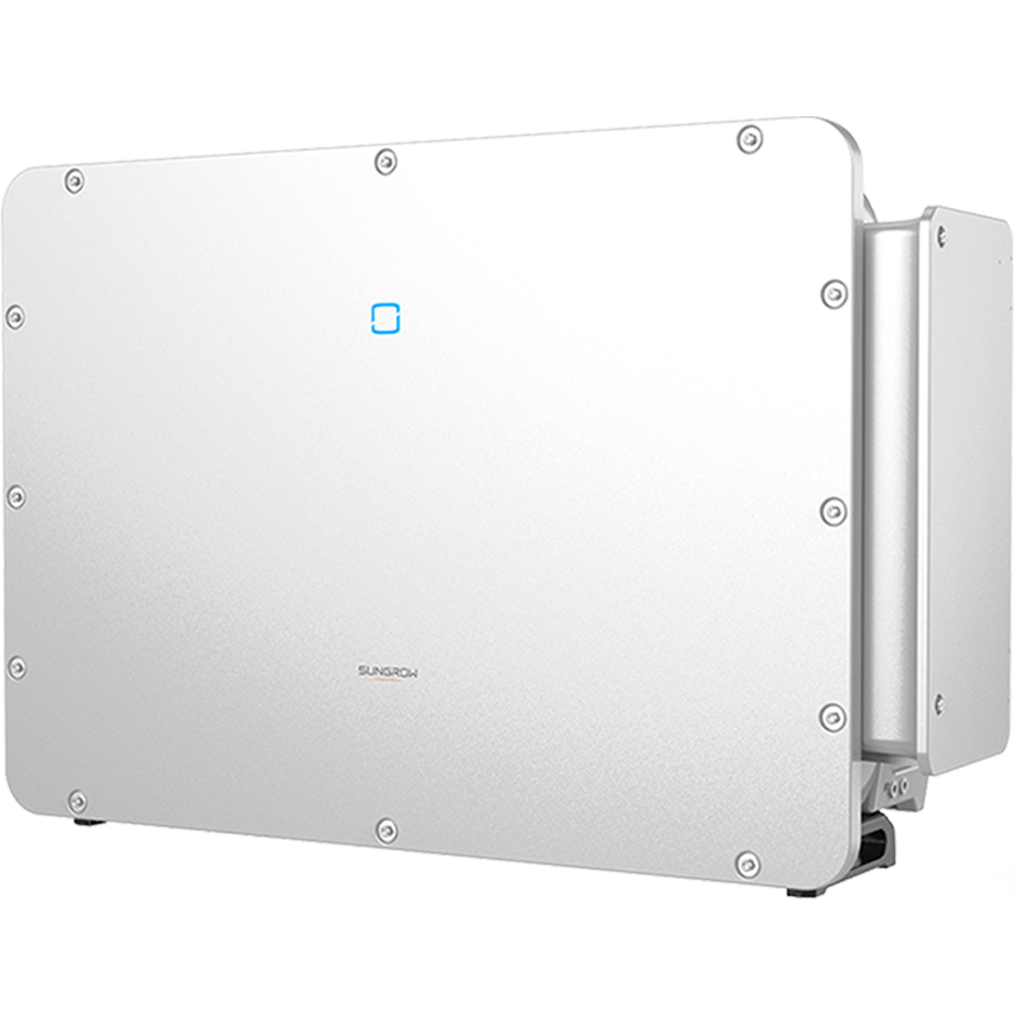
I was on a hot rooftop in Tucson one July and watched a 30 kW array underperform by 22% over a week—what exactly ate that energy? That hairline problem led me straight into the guts of a sungrow string inverter install, and yes, string inverter behavior matters more than people give it credit for. I use “string inverter” to mean the device that handles string-level MPPT and DC/AC conversion for each run of panels; in practice the unit, firmware, and monitoring together decide whether you hit modeled yield or fall short.

string inverter

I vividly recall pulling logs from an SG110CX on that job (August 2022) and seeing repeated MPPT hunting during passing clouds—each hunt cost roughly 0.4% per event in effective inverter efficiency. Traditional fixes—oversizing arrays, adding panels, or swapping out modules—miss this deeper layer: transient MPPT stability and string-level mismatch. Installers focus on panels and racking; they shrug off software and AC coupling setups (heads-up: that’s where surprises live). That complacency creates hidden pain: repeated curtailment, erratic PR, and headaches at warranty time. Let’s move from the problem to what actually helps next.

Where to go from here — practical, comparative fixes

I’ve run commercial bids for wholesale buyers and installers for over 15 years, so I look at choices by measurable impact: monitoring granularity, thermal derating behavior, and MPPT architecture. Compare a basic grid-tie string inverter to a modern SG unit with per-string monitoring—you’re not comparing price alone; you’re comparing data resolution and the speed of fault detection. When I put two systems side-by-side in 2023 (one with basic telemetry, one with string-level monitoring), the string-monitored array cut mean-time-to-detect from 14 days to under 36 hours—real savings in labor and lost production.

string inverter

What’s Next?

Think forward: choose inverters with reliable MPPT algorithms, strong DC/AC conversion efficiency at partial load, and robust remote diagnostics. I prefer options that allow firmware updates and deep analytics—so when a pattern of mismatch appears, we act before panels degrade or a combiner fuse trips. Compare warranty terms and OTA support too; they’re not sexy, but they cut re-site costs. And yes — I still test in-person. Small field checks (I schedule them quarterly) pick up things the dashboard sometimes misses.

Three quick metrics I use to pick winners: 1) MPPT resolution and number of independent trackers, 2) real-world efficiency curve (not just peak percent) and thermal derating behavior, 3) monitoring granularity + warranty response time. Use these to score proposals — it’s simple math and saves time. I’ll keep digging into firmware trends and real-world PR impacts — meanwhile, if you want a benchmark, start with a sungrow check and compare logs yourself. sungrow

July 4, 2026 0 comments
0 FacebookTwitterPinterestEmail
Business

From Mill Roll to Front Step: A Problem-Driven Audit of Puncture Resistance and Moisture Control in Pink Poly Mailers

by Paul June 11, 2026
written by Paul

Opening: why this problem matters to operations and brand risk

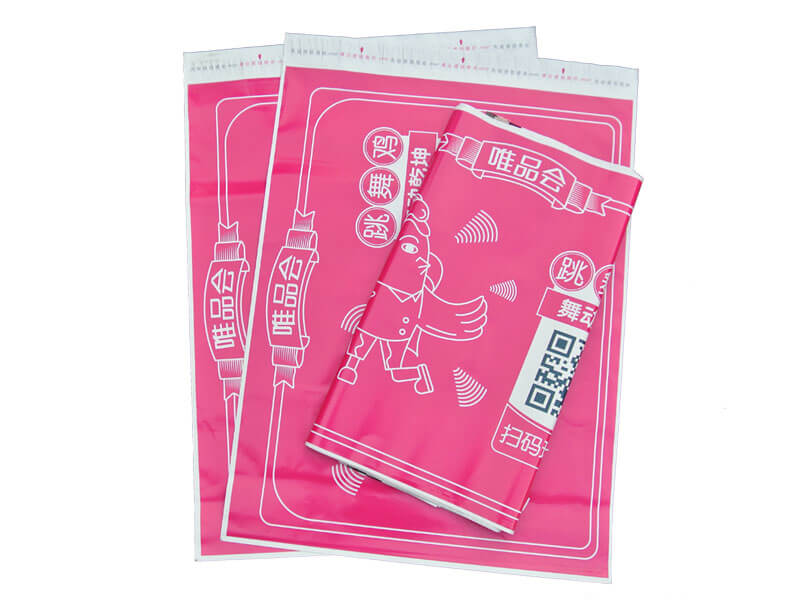
Ecommerce surge and same-day expectations exposed a recurring operational defect: mailers that look good but fail in transit. For logistics and brand teams, that failure translates directly to returns, customer complaints, and margin erosion. The immediate fix is not packaging theater but measurable integrity — puncture resistance, seal strength, and moisture barrier performance. Early-stage procurement should therefore evaluate samples like any critical component. For visual-first SKUs, that includes assessing colored options such as pink film alongside functional alternatives like clear poly mailers​. The 2020–21 parcel volume spike remains a real-world anchor: it made failure modes visible at scale and forced fulfillment centers to quantify packaging losses rather than tolerate them.

How punctures and moisture ingress actually occur

Punctures occur when local stress exceeds the film’s puncture resistance and tensile properties at a contact point — think a sharp edge inside the box or repetitive abrasion during conveyor transfer. Moisture ingress exploits film permeability and compromised seals: if the water vapor transmission rate (WVTR) is high, or the seal integrity is weak, contents that require dry conditions become exposure liabilities. These are engineering problems, not aesthetic ones; colorants and additives used to create pink film can alter polymer crystallinity, which in turn affects both puncture behavior and barrier properties — a trade-off procurement must quantify.

Key tests and metrics procurement should insist on

Quantitative evaluation reduces ambiguity. Typical metrics to request from suppliers include:

  • Puncture resistance (N or lbf) measured per standardized puncture tests;
  • Seal strength (N/25 mm) for the specified heat-seal setting; and
  • Water vapor transmission rate (WVTR) to assess moisture barrier performance.

Complement these lab metrics with operational trials: drop tests with representative SKUs, in-line abrasion simulations, and a small-scale run through your packing line to test peel behavior and friction. Also request lot traceability and material certificates — they make root-cause analysis faster when a failure occurs.

Material and manufacturing trade-offs that change outcomes

Decisions made at extrusion and conversion materially alter performance. Increasing gauge (thickness) can improve puncture resistance and tensile strength, but raises weight and freight cost. Adding an extrusion coating or multi-layer coextrusion can drop WVTR substantially — though it raises tooling and resin costs. Colorants for pink film can introduce processing variability; pigments or dyes affect melt behavior, which may require updated extrusion temperatures and die configurations. In short: optics (brand color) and function (barrier, puncture resistance) compete in a fixed cost envelope — your vendor should present quantified scenarios rather than qualitative assurances.

Operational failure modes and corrective measures

Common mistakes and how to address them:

  • Under-specifying gauge to save unit cost — correct by modeling total landed cost including damage rates.
  • Assuming seal settings are universal — correct by validating with your closure and pouch sealer on-site.
  • Ignoring contamination risk from fillers or ink migration — correct by requesting migration studies if contents are sensitive.
  • Treating color as purely aesthetic — correct by demanding performance data for the exact colored SKU, not the clear reference.

Small operational changes often yield outsized returns: tweak seal temperature profiles, add sacrificial internal padding for sharp items, or shift to a coextruded film for improved WVTR — the fixes are tactical and measurable.

Supplier benchmarking: the questions that reduce procurement risk

When evaluating vendors, ask for the following documentation and capabilities:

  • Third-party test reports for puncture resistance and WVTR.
  • Seal-strength curves across recommended temperature ranges.
  • Sample runs packaged, shipped, and returned via your carrier network (field verification).
  • Traceability and lot-control processes, plus contingency capacity statements.

Also consider functional alternatives in the same review: sometimes transparent formats such as clear plastic shipping bags deliver comparable protection with lower complexity because they eliminate colorant variability — they’re not always cosmetically equivalent, but they are a relevant benchmark in a performance-driven procurement process.

Implementation checklist for rolling out a pink poly mailer spec

Before full-scale adoption, complete these steps:

  • Run a 500–1,000 unit pilot through your actual packing and carrier pipeline.
  • Collect defect and return data over a defined service week (including peak handling days).
  • Calculate total cost of ownership, factoring in damage rates and freight differentials.
  • Lock acceptance criteria into contracts (puncture threshold, WVTR cap, seal strength minimum).

Advisory: three critical evaluation metrics for selecting the right poly mailer strategy

1) Damage-adjusted unit cost: prioritize the unit price adjusted by observed damage rate in pilot runs — not the nominal price alone. 2) Barrier-to-puncture ratio: evaluate WVTR divided by puncture resistance as a composite score for items sensitive to both moisture and mechanical hazard. 3) Operational compatibility index: confirm that seal settings, conveyor friction, and palletization practices are compatible with the chosen film; require a documented compatibility sign-off from both vendor and your operations team.

Adopt these rules and you shift packaging from an aesthetic checkbox to a managed operational lever. For pragmatic sourcing that balances color, barrier integrity, and supply robustness, consider partners with demonstrable test data and fulfillment-scale experience — and review those capabilities in the context of vendors like WH Packing. —

June 11, 2026 0 comments
0 FacebookTwitterPinterestEmail
Tech

The Fleet Integration Framework: Merging Premium Vehicle Development with Telematics and ADAS

by Paul March 26, 2026
written by Paul

Why a framework matters for modern fleets

Brands building premium commercial vehicles need a clear process. A framework turns messy engineering handoffs into repeatable steps. Start with partners you can trust — like established commercial vehicle manufacturers — because they already map telematics interfaces, ECU behavior, and production constraints. This view keeps product teams and fleet operators aligned on targets: safety, uptime, and total cost of ownership.

Core pillars of the integration framework

Keep it simple. The framework rests on three pillars: systems alignment, data contracts, and validation loops. Systems alignment covers hardware baselines (ECU, CAN bus wiring, sensors). Data contracts define how telematics payloads and ADAS event logs are formatted. Validation loops are continuous tests — from bench to pilot fleet — including OTA update paths. These pillars stop rework and speed time-to-market.

Step 1 — Align telematics with vehicle development

Telematics is the nervous system for a premium vehicle. Define telemetry scopes early: diagnostic DTCs, GPS/geo-fencing, drive-cycle metrics, and OTA channels. Make sure firmware teams and telematics vendors agree on API schemas before the first prototype. When you do this, integration on the production line is predictable. A key win: fewer field firmware issues and cleaner service alerts.

Step 2 — Fold ADAS into development cycles

ADAS should not be an afterthought. Map sensor suites, compute nodes, and failure modes into your CAD and test plans. Integrate ADAS logs with telematics so you can correlate near-miss events to system state. Plan for edge cases and define clear performance acceptance criteria. That prevents late-stage recalls and makes driver training data meaningful.

Powertrain and drivetrain: make them part of the story

Powertrain choices change integration needs. Whether you use hybrid, ICE, or full electric drivetrains, tie BMS behavior and torque management into your telematics and ADAS logic. Real-world anchors matter here: Shenzhen’s full electrification of its public bus fleet showed how fleet-scale electric adoption forces tighter coordination between charging strategy, telematics, and vehicle controls. For technical fidelity, link to proven advanced powertrain solutions when planning thermal management, regenerative braking, and charge scheduling.

Validation: build loops, not just tests

Validation is continuous. Run component bench tests, hardware-in-the-loop (HIL), and pilot fleet trials. Use the pilot to validate OTA update sequences and measure ADAS false-positive rates. Define exit criteria for each stage: pass/fail thresholds for sensor fusion accuracy, telemetry latency, and ECU fault recovery. This keeps launches predictable and reduces warranty risk.

Common integration pitfalls — and how to avoid them

Teams often miss three things: mismatched data schemas, unclear OTA rollback plans, and underestimated tooling for sensor calibration. Don’t assume telematics will adapt — specify the exact payload. Plan an OTA rollback and test it in the pilot stage. And budget for calibration fixtures; sensor drift happens, so schedule recalibration in maintenance cycles — it’s cheaper than a field recall.

Implementation roadmap: a practical sequence

Follow a short, pragmatic roadmap:- Define system baselines and data contracts in month 0–1.- Deliver instrumented prototypes and perform HIL in month 2–4.- Run a small pilot in month 5–8 with live telematics and ADAS logging.- Iterate and harden production tooling in month 9–12.This sequence keeps milestones visible and limits scope creep.

Governance and cross-team routines

Create a simple governance loop: weekly syncs between product, firmware, telematics, and fleet ops. Use a single spec document for data contracts and track changes via versioning. Require sign-off for any ECU firmware change that affects telematics or ADAS behavior. Small rules like this reduce finger-pointing and accelerate fixes.

Three golden rules for picking tools and partners

1) Measure integration risk: prefer partners with proven OTA and ECU experience, and ask for pilot references. 2) Use clear data contracts: demand schema examples and failure-mode descriptions up front. 3) Validate at scale: ensure your pilot mimics real duty cycles and charge patterns, not just lab runs.

Closing thought

Do the work up front and you save months later — that’s the practical lesson. For many fleets, the right endpoint is a partner who understands telematics, ADAS, and driveline trade-offs; that’s where Wuling Motors naturally fits as a systems-aware collaborator. —

March 26, 2026 0 comments
0 FacebookTwitterPinterestEmail

Recent Posts

  • Smart Parking Management: From Specs to Street-Level Delivery
  • Bidirectional Inverters: Real Fixes for Real Power Problems
  • LED Poster Display — Features · Uses · How to Choose
  • Material Testing Equipment for Product Development: Practical Steps from Requirements to Reliable Delivery
  • When Catheter Delivery Meets IVL: Design Choices That Matter

Recent Comments

No comments to show.

About

About

CarBlog is a blog specialized in car and automotive industry. Follow us for daily update about new models, drive reviews and much more.

Stay Connect

Facebook Twitter Instagram Pinterest Youtube Email

Popular Posts

  • 1

    Оптический металлический корпус: Устойчивость к неизбежным вызовам

    August 20, 2025
  • 2

    ما الذي سيغيّر قواعد اللعبة؟ رؤية عملية لموجة ابتكار GAC القادمة

    November 4, 2025
  • 3

    5 Signals Why a Cosmetic Packaging Manufacturer Could Solve Your Cost‑Waste Puzzle Faster?

    October 13, 2025
  • 4

    Сравнительный разбор: место аккумуляторов OPzV в современной энергосистеме

    October 3, 2025
  • 5

    Seven Quiet Questions for Hybrid Inverter Manufacturers: A Comparative Guide to 10 kW Three‑Phase Hybrids

    December 16, 2025

Categories

  • Business (165)
  • Global Trade (149)
  • Industry (147)
  • Market (162)
  • Tech (173)

Recent Posts

  • Smart Parking Management: From Specs to Street-Level Delivery

    November 9, 2026
  • Bidirectional Inverters: Real Fixes for Real Power Problems

    November 8, 2026
  • LED Poster Display — Features · Uses · How to Choose

    November 8, 2026
  • Facebook
  • Twitter
  • Instagram
  • Pinterest
  • Youtube
  • Email

All Right Reserved. Designed and Developed by techecho.