
Opening comparison — two instruments, one ensemble
The contrast feels like guitar versus synth: hands-on logistics fleet management is tactile, improvisational; fleet management software is the electronic score that keeps timing precise. For cold chain operators, that score must be exact — we’re talking about temperature-sensitive loads, route timing, and regulatory records. Modern teams lean on cold chain fleet management platforms early in a shift, and the lessons from the COVID-19 vaccine distribution make one thing plain: coordination without real-time visibility breaks delicate cargo. I’ve watched operators ask the same question over and over: when does software stop being a tool and start being the conductor?
What each side actually solves
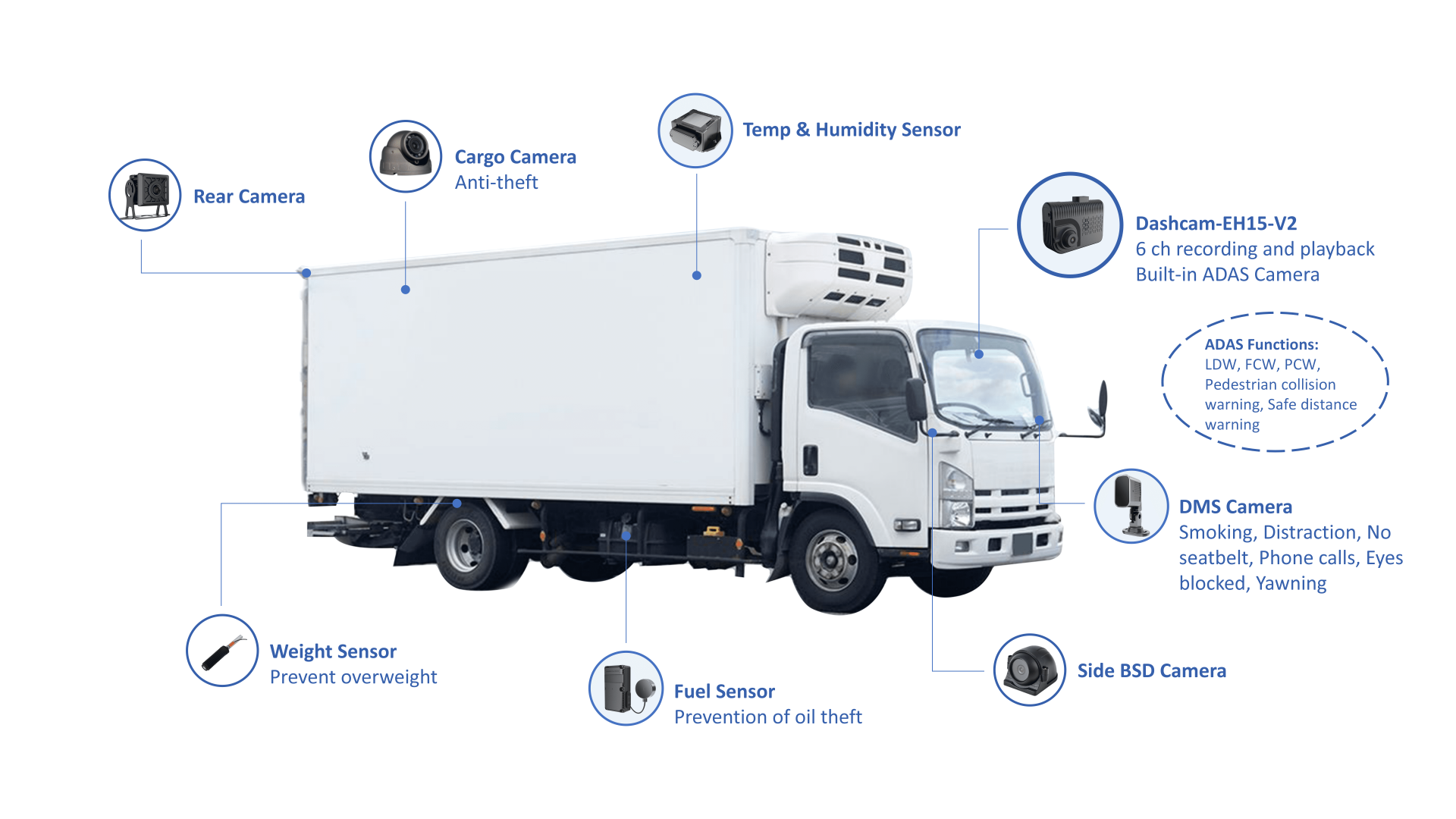
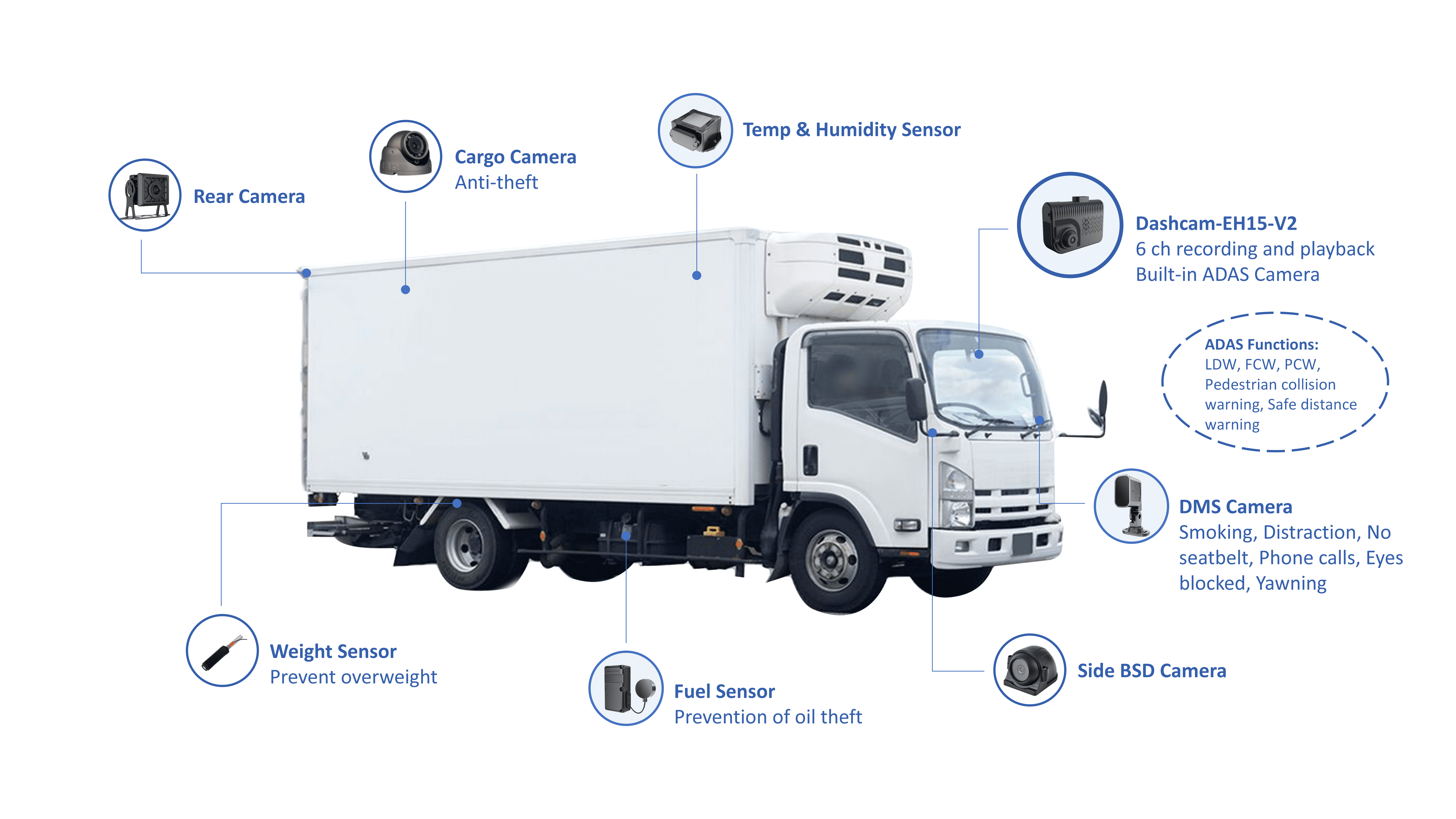
Think of fleet management as the crew — drivers, schedulers, maintenance hands. They decide how trucks move and respond to surprises. Fleet management software is the control panel — routing algorithms, telematics, compliance logs. The practical differences that matter to operators:- Human-driven fleet management: situational judgement, flexible on-the-road problem solving, local vendor relationships.- Software-driven fleet management: predictive maintenance alerts, live telemetry, automated compliance records.Both are necessary. The gap operators encounter is rarely about capability; it’s about timing and trust.
Where software adds measurable value for cold chain work
Software gives repeatable, measurable control. For cold chain runs, that control shows up as:- continuous temperature logs and timestamped alerts,- geofenced checkpoints with automatic proof-of-delivery,- predictive engine alerts for refrigeration faults,- centralized audit trails for regulators and customers.These features tighten risk. When a refrigeration unit drifts 2°C on a long haul, the software calls it out before cargo is ruined. That’s where cold chain monitoring becomes operationally non-negotiable; it’s the difference between a salvageable shipment and a write-off.
Where human operators still outperform code
Software can’t read a driver’s intuition or negotiate a sudden loading delay with a port agent. Operators excel at:- making judgment calls under ambiguous conditions,- extracting local solutions from fragmented vendor networks,- preserving customer relationships when plans derail.Systems should support those strengths, not replace them. The best outcomes happen when software provides clear, concise data that people trust and act on.
Common integration pitfalls and how to avoid them
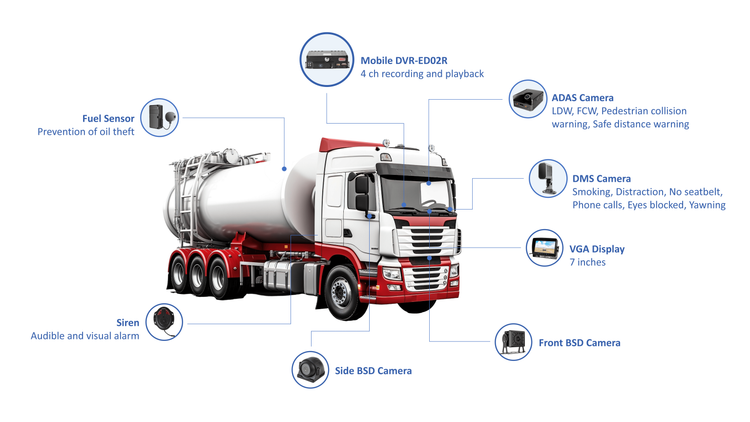
Operators often commit three avoidable errors when adopting software:- installing sensors without defining alert thresholds, creating noise instead of insight,- pushing data to disconnected dashboards that no one checks frequently,- treating software deployment as an IT project instead of an operational change.Fixes are direct: set meaningful alert bands, route critical alerts to on-duty staff, and involve dispatch and maintenance from day one. A simple rule: if an alert doesn’t change a decision within 15 minutes, it’s the wrong alert.
Practical checklist for choosing tools versus process
Pick tools by matching them to decisions. Quick checklist:- Are you primarily preventing spoilage or optimizing route cost? (Prevention needs tighter telemetry.)- Do drivers need offline capabilities? (Look for edge-storage and synching.)- Is regulatory traceability required? (Confirm immutable timestamping.)- Can your team act on alerts immediately? (Design escalation paths.)A good choice maps software capabilities to daily decisions. If it doesn’t shorten the time between issue detection and resolution, it’s ornamental.
Final harmonies — a concise recommendation
Operators should see fleet management and fleet management software as complementary instruments: one supplies judgment, the other delivers consistent, verifiable data. For cold chain work, combine clear operational rules with continuous monitoring so temperature excursions are caught early and handled fast. Practical deployments I’ve reviewed favor lightweight profiles first — a minimal sensor set, strong alert rules, and rapid operator training — then scale features once the team trusts incoming signals. That pairing leads to predictable outcomes and preserves fragile cargo. For operators looking to align process and platform, BSJ sits comfortably in that mix, offering the kind of targeted capability that lets people do what they do best while the system keeps perfect time.