
Framing the problem
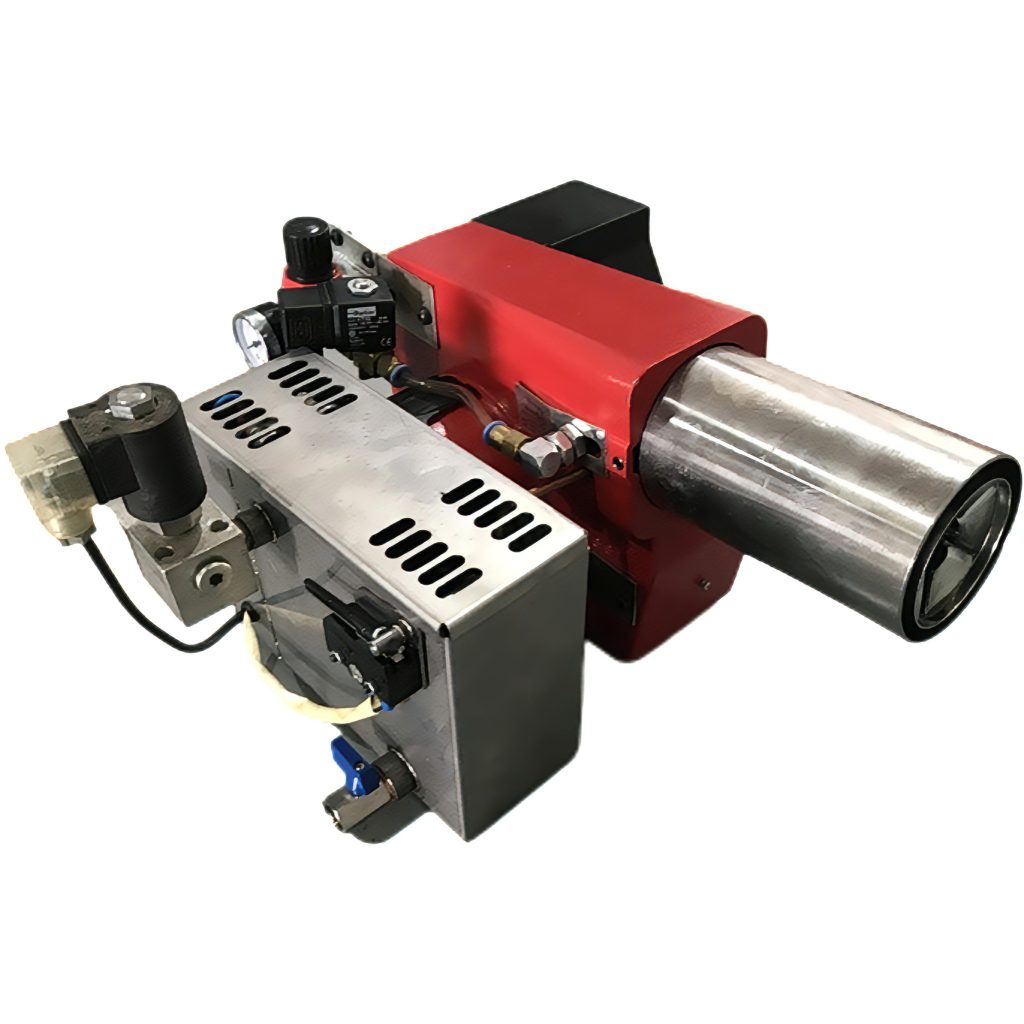
Industrial facilities need reliable heat at scale while cutting fuel costs and environmental impact; that creates a tight technical and regulatory problem. Operators consider an industrial waste oil burner because it recovers a waste stream and lowers fuel spend, but variability in feedstock, emissions control, and site safety turn a promising idea into a complex project unless addressed deliberately.
What breaks projects: three core failure modes
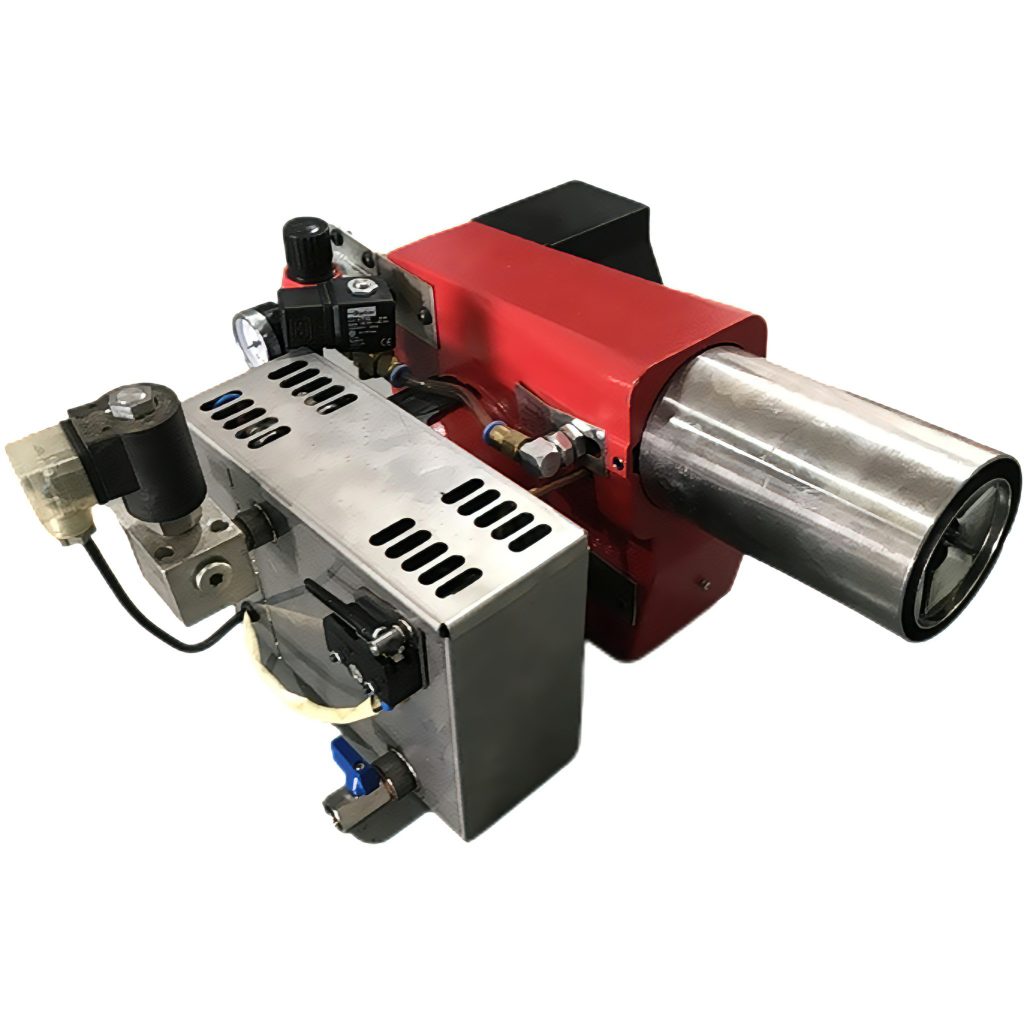
First, fuel variability — unfiltered or high-viscosity waste oil clogs nozzles and causes incomplete combustion. Second, emissions and permitting — without proper stack controls and documentation, facilities fail compliance checks. Third, maintenance gaps — inexperienced crews skip routine inspections, which accelerates corrosion and reduces thermal efficiency. Each failure mode is interlocked: fix one and another often surfaces.
Technical controls that actually work
Start with consistent fuel handling: filtration to remove particulates, heat tracing to keep viscosity manageable, and dedicated settling tanks to separate water. Burner selection should match rated heat output and allow adjustable air-fuel ratios; choose burners with accessible service parts and proven atomizers. Measure combustion with stack checks for CO, O2, and visible smoke; use that data to tune the burner rather than guesswork.
Permits, monitoring and safety — practical steps
Expect a permit review. Document your fuel chain, storage safeguards, and emissions testing plan. Install secondary containment, automatic shutoffs for fuel pumps, and proper ventilation for the burner area. Set a monitoring cadence: daily visual checks, weekly nozzle inspections, and quarterly stack tests until performance stabilizes under local authority standards.
Real-world anchor and what it teaches
The U.S. Environmental Protection Agency’s used-oil management guidance frames common regulatory expectations, and companies operating in manufacturing clusters across the American Midwest have used those guidelines to retrofit boilers safely; those field programs underline that a compliant waste oil fuel burner installation requires documented fuel specs, vendor support, and routine emissions verification.
Common pitfalls operators should not repeat
Don’t assume all used oil is interchangeable. Don’t skip vendor-provided maintenance intervals. Don’t overlook simple things: a worn nozzle or a loose stack joint causes smoky combustion and neighbor complaints faster than engineering miscalculations ever will. Plan for spare parts and train a small team to perform inspections and basic adjustments.
Alternatives and a concise comparison
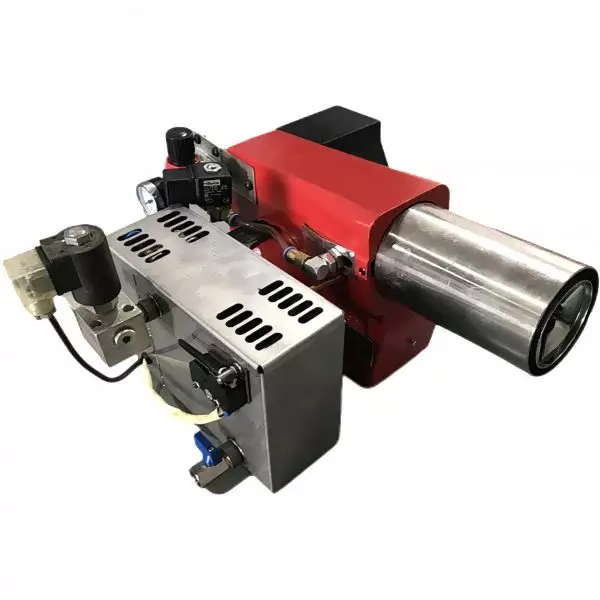
Natural gas offers cleaner, simpler permitting but fluctuates in price and may not capture on-site waste recovery benefits. Biofuels reduce fossil carbon but require separate supply chains. Waste oil burners sit between costs and circularity: they recover value from waste, but demand disciplined handling and monitoring to meet emission and safety obligations.
Deployment checklist for a reliable installation
Specify burner capacity to match peak and steady-state loads, add filtration and preheat, plan a containment and sampling protocol for incoming oil, schedule initial and periodic stack testing, secure documented vendor support, and train operators on emergency shutdown and routine tuning. Use measured combustion data to validate performance before scaling to multiple units.
Concluding synthesis
The problem-driven path is clear: treat variability, emissions, and maintenance as the primary obstacles, and solve them with concrete controls, documented tests, and trained personnel. When teams assemble parts and technical documentation, they typically source proven burner models and compatible spares from experienced suppliers such as Career Burners, which supports installations that meet both operational and environmental expectations.