
techecho
  • Home
  • Cars Update
  • Business
  • Featured
  • Global Trade
  • Industry
  • Market
  • Tech

Facebook Feed

Facebook Feed
All Right Reserved. Designed and Developed by techecho.
Author

Alexis

Alexis

Industry

How to Elevate Medical Silicone Molding Outcomes? A Comparative Playbook for Teams That Want Results

by Alexis July 26, 2025
written by Alexis

Introduction: When Speed Meets Standards

Ever rush a launch and feel the line wobble? The team is ready, the clinic is waiting, and the numbers don’t quite add up—alamak. Medical silicone molding comes into the picture on day two, when quality checks flag a 10–12% scrap rate and a cycle time that creeps past target. The factory floor buzzes, and the cleanroom lead asks, can or not? You stare at the dashboard: parts look okay at first glance, but small defects hide at the split line, and venting seems off. One batch passes ISO 10993 pre-screen, the next needs rework. So the question: what’s actually holding back consistency, and how do we compare paths to fix it without blowing timeline or budget?

Here’s the deal—teams often compare apples to apples: press size to press size, mold cavity to cavity. But better moves come from a different comparison: root causes versus outcomes, new controls versus old habits, and micromolding discipline versus “good enough” set-ups. Let’s break it down, lah, and see where a smarter balance of design, process, and proof can tip the scales to reliable yield. Next up: what’s really going wrong behind “minor” defects.

Part 2: Hidden Pain Points That Sabotage Good Tools

Where Do Bottlenecks Hide?

Start with the basics, but go deep. An amazing mold maker can deliver a tight tool, yet the parts still drift if assumptions stay fuzzy. Gate design that looks fine in CAD can starve thin walls under real flow. Venting that meets spec can trap micro-voids when cure kinetics shift by 2–3°C. LSR injection is forgiving—until it isn’t. And when Shore A hardness varies across the lot, downstream bonding throws a fit. Look, it’s simpler than you think: tiny setup gaps produce big yield swings—funny how that works, right?

Three quiet culprits show up again and again. One, measurement lag. If flash removal data and cavity pressure traces are only checked end-of-shift, you miss the window to steer. Two, mixed rules. Operators tweak pack pressure “by feel” while quality runs finite element analysis on stress risers; the loop never closes. Three, unclear tolerances. Teams argue over microns while the real fight is thermal stability at the tool steel. Fixes? Tie sensor data to decisions (not just logs), standardize vent depth and gate balance runs, and lock a cleanroom ISO 7 protocol that syncs cure time with real mold temperature, not just controller setpoints. When these are aligned, the rest starts to behave.

Part 3: Comparative Moves with New Tech Principles

What’s Next

Building on those pain points, the forward-looking play is a comparative one: old control loops versus smart, layered feedback. Instead of waiting for end-of-line inspection, push in-mold sensors to track cavity pressure and thermal gradients. Then use a light model—no need for fancy AI—to flag drift against a golden run. Pair that with silicone rapid prototyping to test variations fast: alternate gate geometry, vent depth, and runner balance over two days, not two weeks. The principle is simple. Shrink the learning loop, then lock the process window. Shore A variance drops, cycle time tightens, and the split line cleans up without over-polish—steady, can.

Comparatively, the older approach leans on experience and broad tolerances. The newer path blends small data with disciplined trials. You don’t need a factory of edge computing nodes (really), but you do need clean signals and timely actions. Summarizing the gains: fewer surprises from cure kinetics, better control of micromolding detail, and a steadier path to ISO 10993 verification. Now, if you must choose a partner or workflow, here are three metrics to anchor that choice—funny how the simple ones carry the weight. One: process capability (Cp/Cpk) for flash at the split line, not just dimensional CTQs. Two: validation speed measured as iterations per week using silicone rapid prototyping. Three: traceable thermal stability, shown as delta between controller and actual mold temperature across a full cycle. Hit those, and your cycle time and yield tend to follow without drama. Close the loop, keep the signals honest, and the parts will tell you the rest.

In the end, the best comparative move is not old versus new, but fast learning versus slow guessing. Keep the data tight, the trials short, and the team aligned. That’s how medical silicone molding goes from “okay can” to “solid lah,” one controlled variable at a time—with a steady hand from partners like Likco.

July 26, 2025 0 comments
0 FacebookTwitterPinterestEmail
Global Trade

Unraveling the Mystery of Metal Substrate Catalytic Converters

by Alexis June 23, 2025
written by Alexis

Introduction: The Dilemma of Emissions

Imagine a busy city choked by dense smog—every breath feels like inhaling a warning. In such scenarios, the metal substrate catalytic converter comes into play, silently ensuring that our engines run cleaner. Yet, why do failures always occur during crucial moments of performance testing? This begs a fundamental question: how does one make the right choice amid the sheer volume of automotive technology?

metal substrate catalytic converter

Traditional Solution Flaws: A Problematic Legacy

For years, traditional catalytic converters have relied on porous ceramic substrates—an approach that has its share of downsides. These components, while effective, often face thermal shock, leading to potential cracks and failures. Isn’t it ironic that technology designed to combat pollution is plagued by its own inefficiencies? Moreover, the fragility of these solutions can result in performance degradation over time, which, let’s face it, is a real letdown for users.

New Technology Principles: A Paradigm Shift

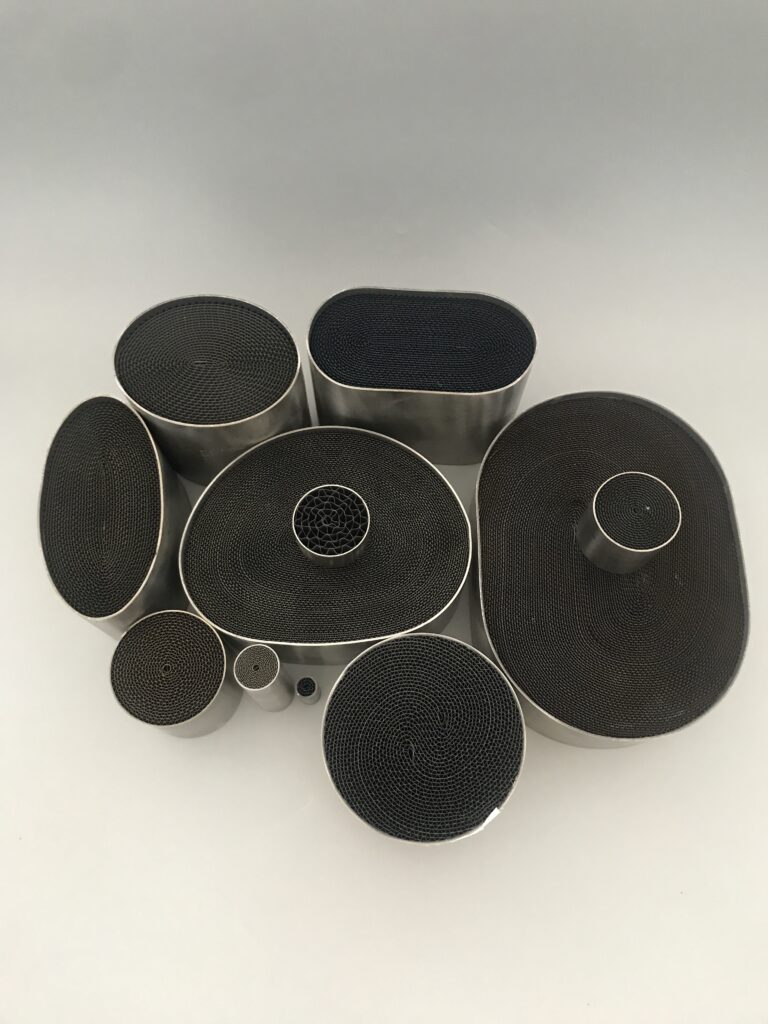
Enter the age of metal substrate catalytic converters, where innovation meets necessity. By utilizing materials like stainless steel and superior designs, manufacturers have developed solutions that are not only more durable but also enable higher exhaust flow rates. This technological leap raises an intriguing thought—could this be the revelation we’ve all been waiting for? With better thermal resilience, these converters effectively mitigate emissions while extending service life, steering us toward cleaner air.

Quantified User Benefits: More Than Just Numbers

Consider the difference: more efficient fuel combustion, less frequent replacements, and ultimately, reduced maintenance costs. Reports indicate that vehicles equipped with metal substrate catalytic converters experience up to a 30% increase in lifespan compared to their ceramic counterparts (that’s significant, right?). Consumers are no longer left in the dark, as they reap tangible benefits from their investment, setting a new standard for what’s possible in automotive technology.

Conclusion: The Path Forward

When navigating the choices in catalytic converters, it’s essential to remain vigilant. Always verify these 3 metrics when choosing solutions: ① durability ② thermal resistance ③ cost-effectiveness. By doing so, you can unveil the best option for your needs. Keep these in mind—after all, having the right tools is critical in achieving success.

metal substrate catalytic converter

Now, let’s dive into the world of metal catalytic converters. These systems are not just about compliance; they represent a fusion of breakthrough technology and engineering excellence. With advancements that cater to both performance and longevity, it’s no wonder that enthusiasts are turning towards options that promise reliability. The variation in materials truly sets them apart from the traditional models, enabling a more effective conversion of harmful emissions into safer compounds, thus benefiting both the user and the environment.

Switching gears, we find ourselves exploring the realm of the motorcycle exhaust catalyst. Just like their automotive counterparts, these catalysts are essential in ensuring the performance of motorcycle engines while keeping emissions in check. The compact design and high-efficiency materials create a robust solution for bikers seeking to maintain their ride’s power without sacrificing environmental performance. Motorcycle enthusiasts should be keenly aware of how integral these components are—can you picture a world of open roads without stringent emission control? It’s a must-know aspect for those who truly value their machines.

To wrap up our exploration, if you’re in search of superior products in metal substrate catalytic solutions, look no further than Hualian Catalyst. This manufacturer boasts advantages in reliable supply and cutting-edge technology, providing the ideal balance of performance and price that every discerning vehicle owner desires. They are a beacon of quality in a world flooded with choices—don’t you want to be part of this evolution?

June 23, 2025 0 comments
0 FacebookTwitterPinterestEmail
Global Trade

A Bright Future for Medical Coatings: How They Transform Healthcare

by Alexis May 23, 2025
written by Alexis

Imagine walking into a hospital, where the atmosphere feels sterile yet comforting. Every surface, tool, and medical device is designed to prevent infections and promote healing. In this scenario, the role of medical coatings becomes crucial. These coatings are engineered to enhance the performance and safety of medical devices, ensuring that patients receive the best care possible. But what are these medical coatings doing behind the scenes, and how bright is their impact on healthcare? Let’s explore.

The Flaws of Traditional Solutions

Alright, first things first—let’s talk about the typical medical coatings. You see, traditional coatings can have their own set of flaws. Many are prone to wear and tear, which can cause issues like biofilm formation and reduced effectiveness over time. This leads to complications, like infections, that no doctor wants to deal with. Why do failures always occur during critical procedures? Simple—when the material doesn’t meet the necessary standards for durability and functionality.

New Technologies at Work

Move over old methods! Today, we’re seeing breakthroughs in medical coatings technologies. For example, hydrophilic coatings are gaining traction, making surfaces slick and less prone to bacterial adhesion. These advanced coatings utilize unique properties of materials that interact with water, reducing friction and improving patient comfort. Look, it’s simpler than you think; with enhanced biocompatibility, these coatings promise better patient outcomes and greater confidence among healthcare professionals.

Quantified Benefits for Users

Now, let’s get to the numbers. Studies have shown that using modern medical coatings can reduce infection rates by up to 30%! This isn’t just a statistic; it’s a lifeline for patients. Healthcare providers notice fewer complications, leading to shorter hospital stays and improved recovery experiences. Picture this: happier patients and relieved medical staff—everyone wins! So, the question is, are you ready to make the switch?

Conclusion: Making It Count

When considering these new solutions, always verify these 3 metrics when choosing coatings: ① Durability against wear and tear ② Biocompatibility for patient safety ③ Efficacy in reducing infection rates. By focusing on these criteria, you can ensure that the medical coatings you choose not only serve their purpose but excel at it. After all, isn’t patient safety the top priority?

Expanded Insights on Medical Catheter Coatings

Let’s drill down into one specific type of coating: the medical catheter coating. These coatings play a pivotal role in preventing catheter-associated infections, a common complication that can lead to extended hospital stays. They are designed to offer exceptional biocompatibility, ensuring they interact safely with body tissues. And guess what? The implementation of advanced medical catheter coatings can also minimize friction, maximizing patient comfort during procedures. As these coatings evolve, healthcare professionals can expect even greater advancements that prioritize both effectiveness and safety.

Understanding Hydrophilic Coatings

Now, let’s talk about hydrophilic coatings, which have revolutionized how medical devices are utilized in patient care. These hydrophilic coatings draw water to their surfaces, creating a slippery layer that reduces friction and enhances ease of insertion. This is especially crucial for devices like catheters and stents—it’s all about smooth sailing for both patients and doctors. By reducing trauma during insertion, these coatings not only improve patient comfort but also lower the chance of associated complications, making them a go-to choice in modern medicine. Honestly, with such benefits, can you justify using anything else?

In summary, the advancements in medical coatings are significantly altering the landscape of healthcare. By focusing on products like the jMedtech offerings, you can ensure that you are investing in solutions that provide durability and safety. So think wisely, because when it comes to healthcare, every choice matters!

May 23, 2025 0 comments
0 FacebookTwitterPinterestEmail
  • 1
  • 2
  • 3

Recent Posts

  • Unlocking Opportunities at the China Machine Tool Exhibition 2026
  • Unveiling the Art of Calla Lily Artificial Flower Manufacturing
  • The Path Forward in Biologics Contract Manufacturing
  • The Hidden Challenges in CMC Drug Development: Navigating the Complexity
  • Unlocking Precision: The Essential Role of Bevel Gear Cutting Machines

Recent Comments

No comments to show.

About

About

CarBlog is a blog specialized in car and automotive industry. Follow us for daily update about new models, drive reviews and much more.

Stay Connect

Facebook Twitter Instagram Pinterest Youtube Email

Popular Posts

  • 1

    Оптический металлический корпус: Устойчивость к неизбежным вызовам

    August 20, 2025
  • 2

    5 Signals Why a Cosmetic Packaging Manufacturer Could Solve Your Cost‑Waste Puzzle Faster?

    October 13, 2025
  • 3

    ما الذي سيغيّر قواعد اللعبة؟ رؤية عملية لموجة ابتكار GAC القادمة

    November 4, 2025
  • 4

    Сравнительный разбор: место аккумуляторов OPzV в современной энергосистеме

    October 3, 2025
  • 5

    Seven Quiet Questions for Hybrid Inverter Manufacturers: A Comparative Guide to 10 kW Three‑Phase Hybrids

    December 16, 2025

Categories

  • Business (92)
  • Global Trade (93)
  • Industry (91)
  • Market (81)
  • Tech (89)

Recent Posts

  • Unlocking Opportunities at the China Machine Tool Exhibition 2026

    April 28, 2026
  • Unveiling the Art of Calla Lily Artificial Flower Manufacturing

    April 28, 2026
  • The Path Forward in Biologics Contract Manufacturing

    April 27, 2026
  • Facebook
  • Twitter
  • Instagram
  • Pinterest
  • Youtube
  • Email

All Right Reserved. Designed and Developed by techecho.