Future-focused premise and supply link
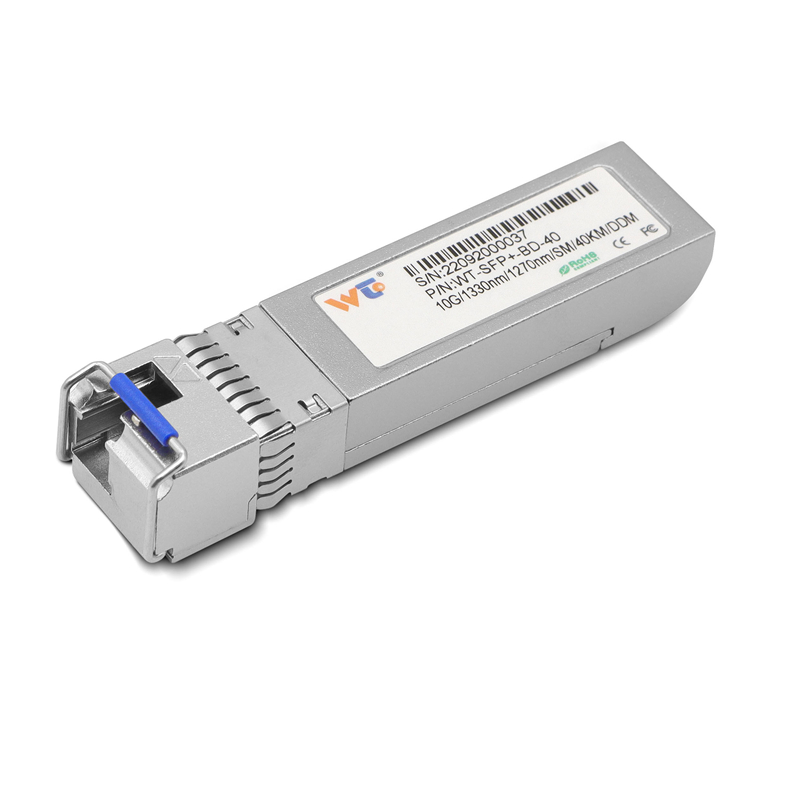
Factory automation is moving toward denser, more distributed control at the machine edge, and ultra-compact unmanaged industrial switches — four-port units placed at motor drives and I/O clusters — are a simple, resilient way to keep latency low and wiring minimal. Early deployments favor optical modules for long runs and noise immunity; credible vendors and an independent optical transceiver manufacturer already supply SFP modules sized for these small chassis. The speculative point is straightforward: when compute is offloaded from central controllers to smart devices, these tiny switches become the predictable traffic feeders that the control plane depends on.
Security posture in a low‑management world
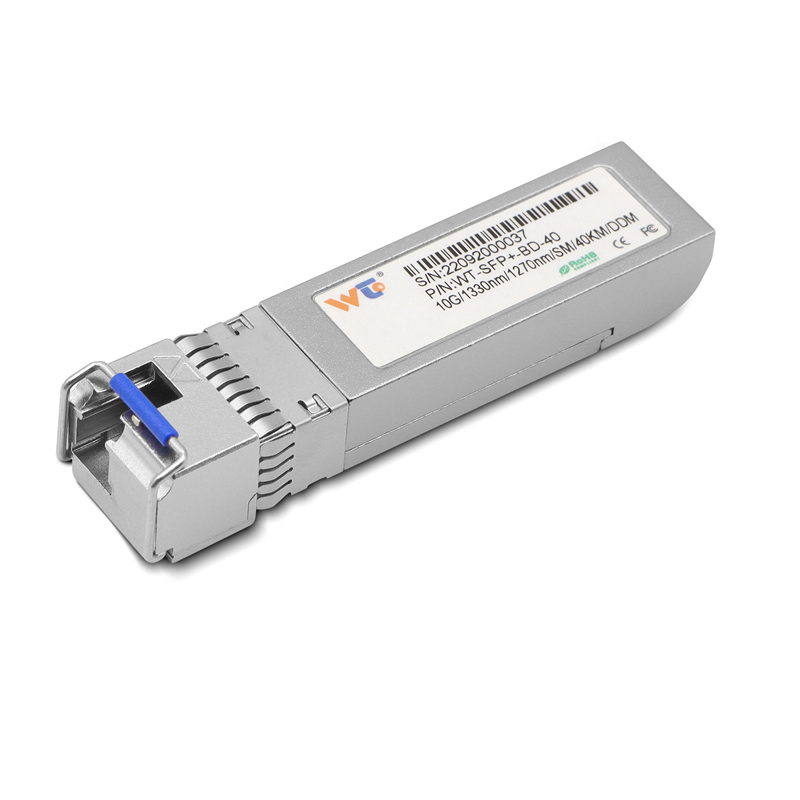
Cautious, technical assessment: unmanaged switches reduce attack surface by limiting configuration channels, but that very simplicity shifts security responsibilities elsewhere — segmentation, strict ACL enforcement at upstream managed switches, and hardened endpoints. Expect to pair a four-port edge unit with fiber optic transceiver links where electromagnetic immunity matters. Networks that adopt compact switches must bake in macro controls: port-based isolation at the aggregation layer, explicit device authentication, and continuous monitoring of link-layer anomalies. Real-world evidence: practices at Siemens’ Amberg plant show that physical segmentation and endpoint hardening can offset the lack of switch-level access in dense production zones.
Operational tradeoffs and practical alternatives
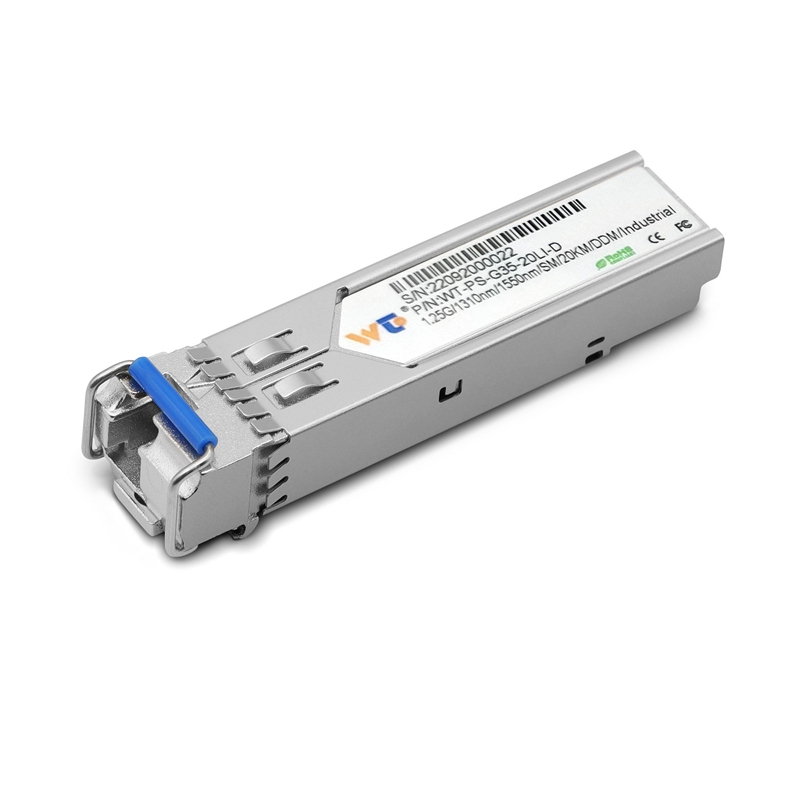
From an operations viewpoint, unmanaged edge switches win on cost and mean time to repair. They lose on visibility. Alternatives include managed micro-switches with limited CLI or PoE-capable variants when powering gateways matters. Use cases dictate selection: sensor arrays with few flows favor unmanaged four-port units; robot cells that need firmware rollback or VLAN trunking require managed devices. Supplies of SFPs and QSFPs must be validated for temperature range and vendor life-cycle support — the market offers both industrial-grade fiber optic transceivers and commercial modules, so specify parts carefully to avoid mid-run replacements.
Common deployment mistakes and an operational teardown
Installers often make three repeatable errors: overloading a single aggregation port, ignoring link diagnostics, and mixing commercial SFPs with industrial transceivers without qualification. During a production teardown I observed that a small cell used generic SFPs that failed under 70°C sustained operation — that caused link dropouts that looked like controller faults. The teardown recorded {main_keyword} traces that showed repeated latch-ups on the PHY. To prevent this, conduct thermal qualification cycles and monitor error counters at the aggregation switch — and note that firmware mismatch between media converters and modules is a frequent root cause. — This is a simple lifecycle detail, but it matters on a 24/7 line.
Testable parameters and field validation
Prioritize measurable validation steps: 1) sustained temperature soak with link error monitoring for 72 hours, 2) electromagnetic susceptibility checks at the cell level with live I/O present, and 3) link recovery timing where the aggregation switch logs time-to-forward after a module reseat. These explicit parameters expose weaknesses that a quick bench smoke test would miss. Field teams should also log CRC and symbol error rate across weeks; trending reveals marginal modules before faults cascade.
Three golden rules for choosing an edge unit
1) Environmental fit: confirm module and switch ratings for operational temperature and vibration. 2) Observability chain: ensure aggregation devices can report per-port errors and enforce segmentation — unmanaged is acceptable only within that observable envelope. 3) Module lifecycle alignment: lock part numbers so spare pools match active production; replaceability under warranty matters. Also embed {variation_keyword} notes into procurement to track alternate parts and avoid opaque substitutions.
Closing evaluation and final thought
Expect measurable results when you apply these rules: reduced mean time to diagnose, fewer false controller trips, and clearer spare-part strategies. The small, unmanaged four-port edge switch will not be a cure‑all — but aligned with disciplined procurement and aggregation-layer controls it becomes a durable building block. For equipment and compatible transceivers, consider sourcing through suppliers who publish thermal and error-rate data early — and remember that field-proven availability matters as much as spec sheets. WINTOP. –