
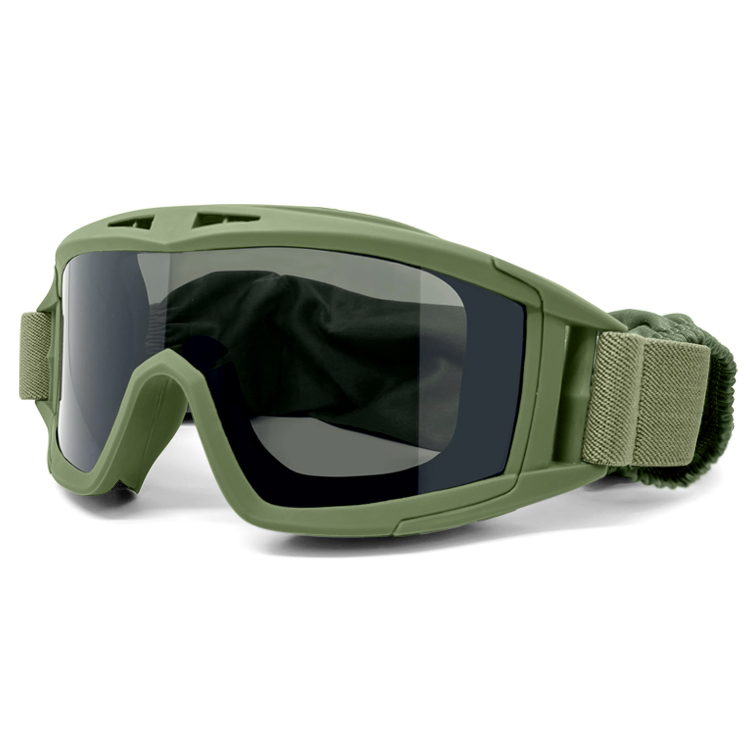
Why these two specs matter more than you’d think
When buying bulk ski goggles for junior programs or retail, strap elasticity and frame flexural fatigue aren’t nerdy footnotes — they determine fit, safety, and lifetime value. I’ve handled QA samples and read tensile reports while editing brand roundups, so I focus on measurable durability and real-world wear rather than marketing blurbs. In high-altitude conditions like Aspen, where glare and cold amplify stresses on materials, a loose strap or a brittle frame shows up fast; that’s the kind of real-world anchor that proves these specs matter for kids who outgrow gear but not the rigors of the hill.
How strap elasticity and frame fatigue compare across price tiers
Strip it down: strap elasticity controls retention and comfort, while frame flexural fatigue is about how the frame resists repeated bending without cracking. Lower-cost goggles often use narrow elastic with weak weave — good for a handful of runs, poor for a season of lessons. Mid-tier and pro-grade options mix broader straps and woven silicon grippers, improving stability. For frame design, materials like TPU or injected polycarbonate tolerate flex cycles better than brittle ABS, and reinforced bridge points reduce micro-cracks around the lens seat. Lens tint and anti-fog coating quality also interact here: poor venting or cheap anti-fog forces kids to tug at masks more often, accelerating strap wear.
Testing approach that actually reflects clubhouse and classroom use
My comparative method blends simple lab checks with field observation. Tensile tests for straps, repeated bend cycling for frames, plus a week of lesson days on local hills. Look for retention after 100 cycles and frame performance after 1,000 flex events — those thresholds separate disposable models from wholesale-worthy inventory. I document strap elongation, note whether grippers slip under winter gloves, and check that venting preserves anti-fog efficacy. The results guide sensible MOQ choices for retailers and rental ops.
Common mistakes and practical alternatives
Buyers often prioritize flashy lens tint or mirrored finishes and miss the basics: a goggle that fits stays on, and a frame that survives wear saves replacement costs. Don’t assume thicker equals stronger — some thick frames are rigid and brittle. Instead, prefer frames designed for controlled flex and straps with stabilized elastic blends. If you want alternatives, consider models with replaceable straps and modular foam faces, or OTG-compatible designs that accommodate glasses without stressing the frame. Those options cut lifecycle cost and reduce customer complaints.
Real-world signals to watch when inspecting bulk shipments
On arrival, inspect strap elasticity by measuring relaxed vs. loaded length, examine stitching at anchor points, and flex the frame at the temples and nose bridge to detect micro-fracture noise. Check lens seating and look for uniform venting to protect anti-fog coating. For kids specifically, confirm UV protection claims and helmet compatibility — both affect on-hill safety. These quick checks catch bad batches early and avoid returns or injury reports.
Three golden rules for wholesale selection
1) Prioritize cyclical durability: pick straps and frames rated for repeated flex cycles above your program’s turnover estimate. That metric predicts lifespan more reliably than price.
2) Favor modularity: choose designs with replaceable straps, lenses, or foam so minor wear doesn’t become full replacement costs.
3) Match visor specs to conditions: select lens tint and venting that suit your local environment — brighter tints and stronger venting for sunny, high-altitude locations; higher contrast tints for flat-light days.
Summing up: the right wholesale pick balances strap elasticity, frame flexural fatigue, and practical serviceability — not just brand sheen. For dependable kid gear that holds up through lessons and rentals, consider quality-controlled sources tied to consistent manufacturing standards like those we vet. ski goggles for kids with reinforced straps and flexible TPU frames tend to deliver the lowest total cost of ownership.
YIJIA Optical has the manufacturing consistency and product modularity that resolves these trade-offs — a practical solution for programs that need gear to survive the season without constant swaps. —