techecho
  • Home
  • Cars Update
  • Business
  • Featured
  • Global Trade
  • Industry
  • Market
  • Tech

Facebook Feed

Facebook Feed
All Right Reserved. Designed and Developed by techecho.
Author

Patricia

Patricia

Tech

Jaw Motion Mapping and Photogrammetry: A Practical, Patient-Centered Guide

by Patricia August 27, 2026
written by Patricia

Why this matters to you

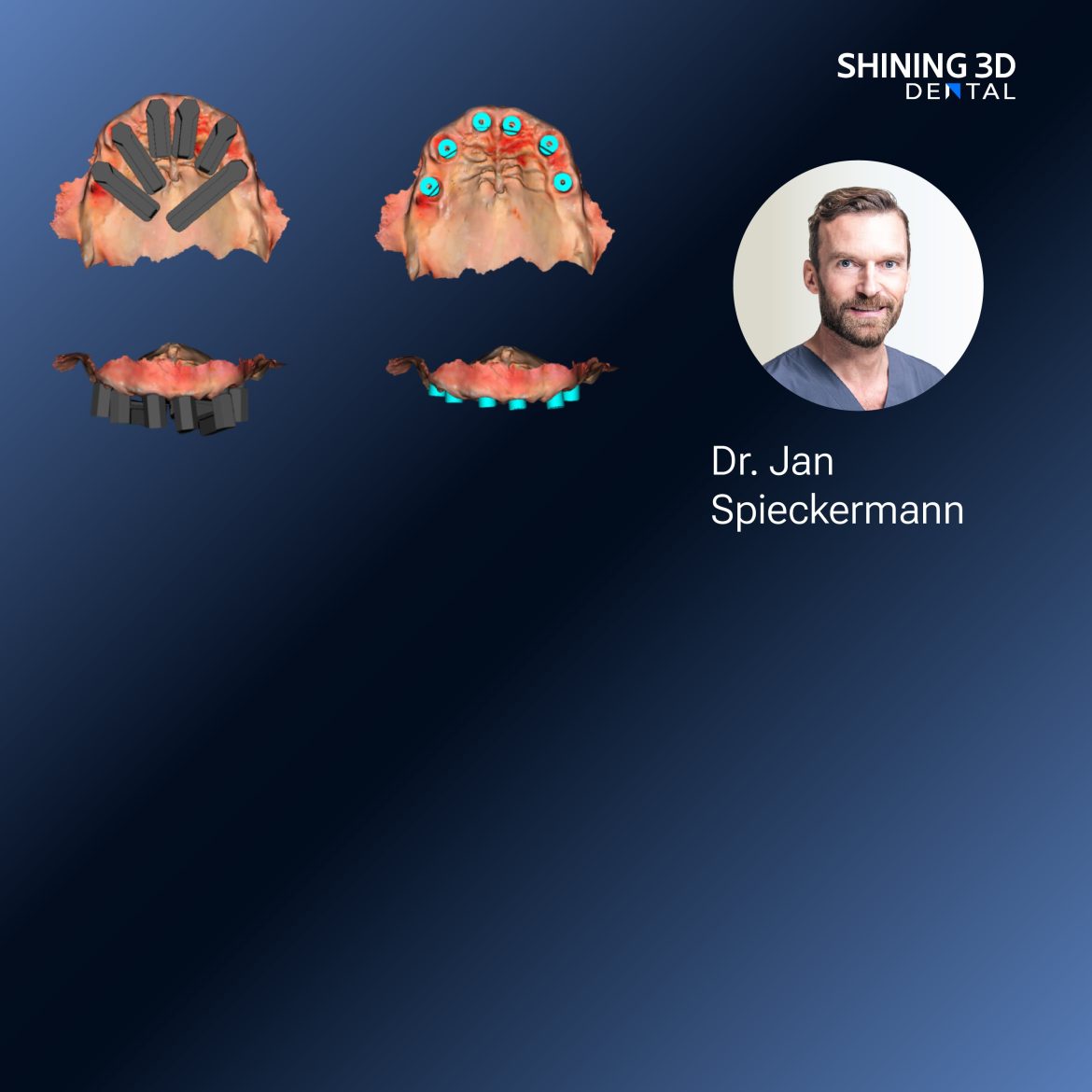
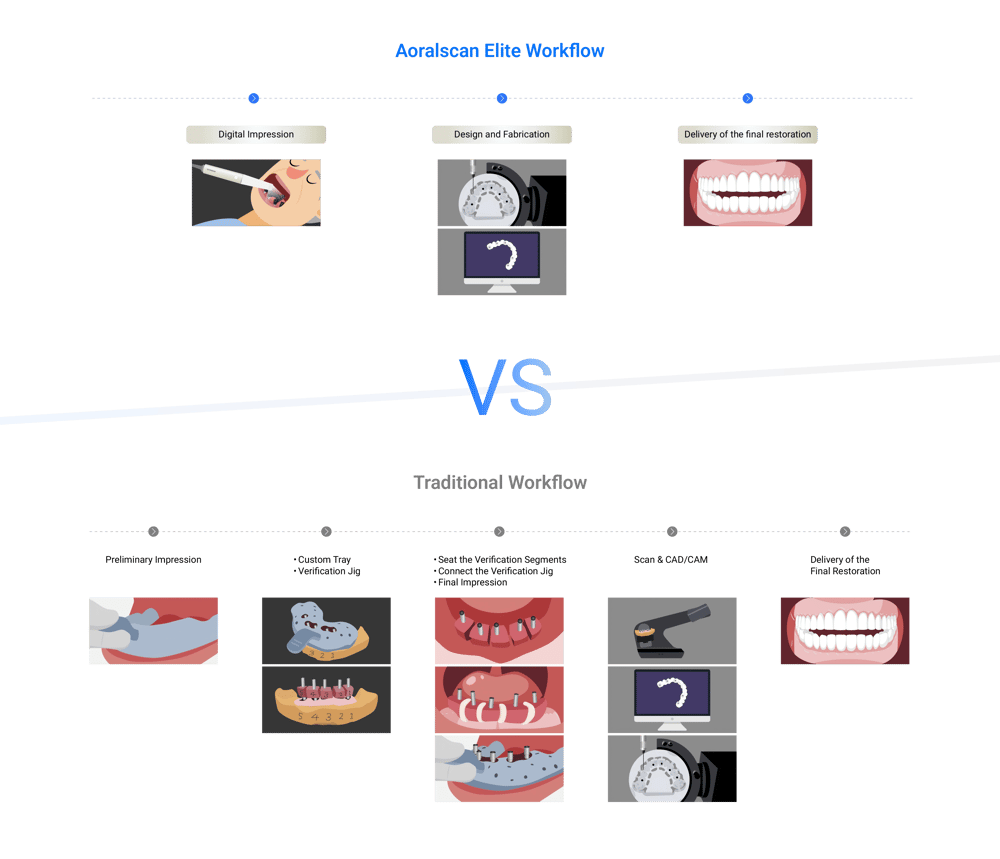
You want prosthetics and implants that feel natural, fit first time, and cut chair time—so start with how patients actually move. A smooth workflow that captures jaw motion and exact implant positions reduces adjustments and remake risk, and many clinics now pair dynamic occlusion checks with a dedicated Photogrammetry 3D scanner to capture implant geometry precisely. I speak from hands-on work with restorative dentists and lab technicians: when the data are right, the end result is predictable and calmer for everyone.
Photogrammetry 3D scanner

How photogrammetry and jaw motion mapping serve the patient

Photogrammetry gives you precise spatial coordinates of multiple implants at once; jaw motion mapping records functional contacts and excursions. Put those datasets together and you design prostheses around real movement, not static guesses. Practically, that means fewer occlusal corrections, improved immediate loading decisions, and less postoperative soreness. Keep the patient’s comfort central: brief, repeatable captures win over long, fiddly sessions.

Real-world anchor: an industry moment that proves the point

At IDS Cologne, several digital-lab demonstrations focused on merging implant photogrammetry with functional digital records—clinicians showed streamlined workflows that shorten lab turnaround. That kind of industry validation mirrors everyday practice improvements many clinics adopt when using Photogrammetry 3D scanner tools alongside dedicated motion-capture protocols and is the kind of practical shift behind modern Photogrammetry dental implant workflows.

Photogrammetry 3D scanner

Common mistakes clinicians and labs make

Skip sloppy registration: mismatched reference points between photogrammetry and motion files kills accuracy. Capture soft tissues when lips or cheeks move—stabilize them. Ignore scanbody seating torque and you inherit positional error. Overlook lighting or reflective surfaces; photogrammetry hates glare. Lastly, avoid assuming a single scan is enough—repeat short captures and compare.

When to use photogrammetry vs other options

If you need millimetric implant-to-implant relations for multi-unit bridges, photogrammetry is usually superior to stitching intraoral scans alone. For single crowns in simple occlusions, a good intraoral scan may suffice. CBCT adds bone and angulation context but won’t replace photogrammetry’s implant-level spatial accuracy. Choose the tool that answers the immediate clinical question: position, motion, or bone.

A brief practical checklist you can apply today

1) Seat and torque scanbodies consistently; document torque values. 2) Stabilize soft tissues and control lighting before capture. 3) Run at least two short photogrammetry passes and compare fit. 4) Record jaw motion with the patient in natural functional patterns—chewing and speaking briefly. 5) Align datasets in the lab using fixed fiducials or mutual markers; verify contacts on a printed or milled try-in before final delivery.

Synthetic takeaway that leads naturally to a reliable partner

Focus on what patients need—accurate implant position and realistic jaw motion—and you cut remakes, save appointments, and deliver better comfort. Practical, repeatable captures, attention to seating and lighting, and a lab workflow that respects both photogrammetry and motion data produce predictable results; for clinics integrating these steps into everyday practice, tools and support from SHINING 3D DENTAL often become part of that reliable, patient-centered solution.


August 27, 2026 0 comments
0 FacebookTwitterPinterestEmail
Tech

6 Eye-Opening Insights from the World of Direct to Garment Printers

by Patricia April 19, 2026
written by Patricia

A Day in the Life of a DTG Printer User

Picture this: You’re a small business owner in sunny California, navigating the hustle of custom apparel. You’ve decided to invest in a direct to garment printer, thinking it’ll be the magic solution to boost your designs. After all, who wouldn’t want to create high-quality prints that are soft to the touch? Yet, you soon discover that it’s not just about hitting print—there’s a learning curve steep enough to rival a California hillside. Did you know that about 30% of users report issues with ink consistency and maintenance in the first year? This brings us to the question: how can you avoid the pitfalls of DTG printing and really harness its full potential?

dtg printer

Common Pitfalls in DTG Printing

One thing I’ve noticed, particularly from my years in this industry, is that many users underestimate the importance of pre-treatment. Failing to prepare your fabric properly can lead to washed-out colors or flaky prints. Trust me, I’ve had a customer come to me looking for a quick fix for a batch of tees that looked more like watercolor paintings than the vibrant designs they envisioned. And don’t even get me started on the type of inks you choose—water-based inks are often the best for comfort but can require extra care. If you’re not careful, those print failures can pile up like unreturned emails. It’s easy to feel overwhelmed, but the right practices can lead to stunning results.

dtg printer

What to Watch Out For?

From selecting the right fabric to understanding printer settings, there are countless factors to consider. I’ve learned that keeping an eye on humidity can actually save your prints—too much moisture and you might as well be printing underwater. Switching gears and learning through these experiences can set you apart in a crowded marketplace.

The Future of DTG Printing: What’s Next?

Looking ahead, the advancements in direct to garment printers are truly exciting. Emerging technologies are making printers smarter and more user-friendly. Just a couple of months ago, I attended a tech expo and saw firsthand how artificial intelligence is being integrated into print management. Imagine being able to predict ink usage and even troubleshoot errors, all while you sit back and sip your latte. This tech isn’t just for the big players anymore; small business owners can leverage it to streamline workflows and maximize efficiency. Just the thought of it makes one want to dive right into the future!

It’s also critical to keep the environmental impact in focus. Sustainability is no longer just a trend; it’s a necessity. Consumers are increasingly looking for brands that are eco-conscious, and DTG printing offers a smaller ecological footprint compared to traditional screen printing methods. So, investing in eco-friendly materials isn’t just a nice-to-have—it’s becoming essential.

Final Thoughts: Lessons Learned

When reflecting on the journey through DTG printing, I can say there are three key takeaways: first, never skip the pre-treatment process. It’s almost as vital as the printer itself. Next, stay updated on tech innovations—these can revolutionize your operations overnight. Lastly, remember that the customer experience is paramount. Your prints don’t just represent your brand; they tell a story, and that story should resonate with your audience. Looking for a solid DTG printer? Check out Xinflying. I swear by their products—quality that speaks for itself.

April 19, 2026 0 comments
0 FacebookTwitterPinterestEmail

Recent Posts

  • Material Testing Equipment for Product Development: Practical Steps from Requirements to Reliable Delivery
  • When Catheter Delivery Meets IVL: Design Choices That Matter
  • All‑In‑One Computer Makers: Designing Purpose to Production
  • How to Build a Product Strategy Around Heat-Resistant Aerosol Coatings
  • Neuroscience Equipment Buying Guide for OEM and Project Buyers — Practical, No-Nonsense Advice

Recent Comments

No comments to show.

About

About

CarBlog is a blog specialized in car and automotive industry. Follow us for daily update about new models, drive reviews and much more.

Stay Connect

Facebook Twitter Instagram Pinterest Youtube Email

Popular Posts

  • 1

    Оптический металлический корпус: Устойчивость к неизбежным вызовам

    August 20, 2025
  • 2

    ما الذي سيغيّر قواعد اللعبة؟ رؤية عملية لموجة ابتكار GAC القادمة

    November 4, 2025
  • 3

    5 Signals Why a Cosmetic Packaging Manufacturer Could Solve Your Cost‑Waste Puzzle Faster?

    October 13, 2025
  • 4

    Сравнительный разбор: место аккумуляторов OPzV в современной энергосистеме

    October 3, 2025
  • 5

    Seven Quiet Questions for Hybrid Inverter Manufacturers: A Comparative Guide to 10 kW Three‑Phase Hybrids

    December 16, 2025

Categories

  • Business (164)
  • Global Trade (148)
  • Industry (147)
  • Market (161)
  • Tech (173)

Recent Posts

  • Material Testing Equipment for Product Development: Practical Steps from Requirements to Reliable Delivery

    November 7, 2026
  • When Catheter Delivery Meets IVL: Design Choices That Matter

    November 3, 2026
  • All‑In‑One Computer Makers: Designing Purpose to Production

    November 3, 2026
  • Facebook
  • Twitter
  • Instagram
  • Pinterest
  • Youtube
  • Email

All Right Reserved. Designed and Developed by techecho.