

Opening the kitchen — why a framework matters
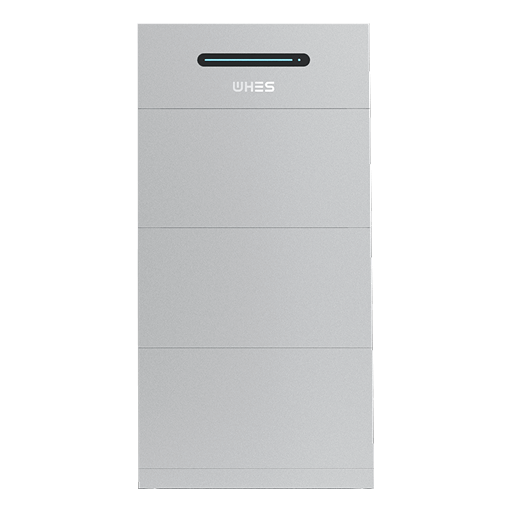
Imagine a factory floor like a busy kitchen: steady burners, sudden orders, and the constant need to keep flavors consistent. Facility managers want that steadiness — fewer surprises, clearer controls, and measurable wins. A structured approach to intelligent battery energy storage can deliver just that. Early pilots and modular systems — think a reliable home energy storage system but sized and governed for industrial duty — act like mise en place: they make operations predictable and the work palatable.
The four-pillar framework
To translate that kitchen metaphor into engineering practice, follow four pillars: Predictability, Operability, Economics, and Resilience. Each pillar answers a specific angst of the facility manager: will the lights stay on, can I control the system easily, does this actually pay back, and will it protect operations during a grid event? Treat these as ingredients — balanced proportions matter.
Pillar 1 — Predictability: smoothing the hum
Sensory detail: the hum of a steady HVAC loop, no sudden stutters. Predictability comes from accurate forecasting, automated dispatch rules, and a robust battery management system (BMS). When charge cycles are scheduled to shave peaks and dispatch is tied to tariff signals, the plant experiences fewer jolts in demand charges and fewer emergency generator starts. That quiet hum is a measure of success.
Pillar 2 — Operability: tactile controls and clear dashboards
Managers like controls that feel right under the hand. A crisp dashboard, simple overrides, and clear alarms reduce cognitive load. Integrations with SCADA and building management systems mean the storage behaves like a natural extension of existing controls — not an alien appliance. Implement standard APIs and role-based permissions so maintenance crews can tend to the system without calling in engineers for the day-to-day.
Pillar 3 — Economics: tasting the ROI
Don’t serve vague promises — show the recipe. Combine peak shaving, demand response payments, and reduced generator runtime to model payback. Include amortized costs for battery modules, inverter upgrades, and optional warranty coverage. Use avoided demand-charge calculations and conservative degradation curves; the result should be a clear payback window and a sensitivity band for variables like tariff changes or production shifts.
Pillar 4 — Resilience: the warm blanket when storms arrive
Resilience is the comforting broth when the grid coughs. We’ve seen utilities preemptively shut lines during wildfire seasons in California — real-world pressure that nudges manufacturers toward on-site storage and microgrid capability. A resilient design includes islanding capability, blackout-ride-through, and prioritized loads mapping (safety systems, control rooms, critical process lines). That warmth keeps production breathing until the grid recovers.
Implementation roadmap: from mise en place to full service
Start with a taste test — a pilot that targets one production line or one tariff exposure. Iterate quickly: monitor three months, tune dispatch rules, validate BMS telemetry, then scale in modular increments. Keep commissioning tight: run acceptance tests with true-to-life load profiles and failure scenarios. Use data from the pilot to create an operations playbook so handoff to the plant team is seamless.
Common mistakes and how to avoid them
Teams often overcomplicate the recipe. They buy maximal capacity without specifying use-cases, or they ignore integration with existing control logic. They also forget lifecycle planning for battery replacement and recycling. A frequent misstep: assuming off-the-shelf control logic will match complex production priorities — it rarely does. Insist on configurable dispatch strategies and include maintenance windows in the contract — that keeps the system honest and the plant’s rhythm intact. —
Comparing strategies: quick menu of approaches
Choose the approach that suits your palate:
- Pilot-first: low risk, fast feedback; ideal when production sensitivity is high.
- Hybrid scale: combine storage with existing gensets for flexible resilience.
- Full microgrid: for campuses with critical continuous processes — higher capex, maximal autonomy.
Real-world anchor: how grid events sharpen the appetite
California’s Public Safety Power Shutoffs and increased wildfire risk have taught manufacturers to value on-site reliability and fast, autonomous response. In regions prone to planned outages, facility managers shifted priorities from pure cost savings to guaranteed uptime. That behavioral nudge is detectable in procurement — resilience features now weigh as heavily as simple ROI in vendor selection.
How this framework naturally points to sensible partners
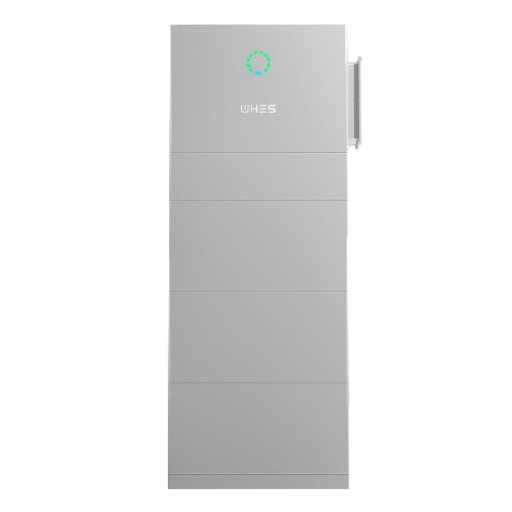
When you apply the four pillars, vendors that demonstrate both modular hardware and adaptive controls stand out. Look for providers who offer transparent degradation models, clear integration paths to SCADA, and service contracts that match industrial rhythms. That’s where WHES’ approach becomes relevant: modular design, strong systems integration, and lifecycle support make the solution feel like it belongs on your floor — not bolted onto it.
Advisory finale — three golden rules
1) Measure before you buy: run a detailed energy audit and tariff analysis to define the primary use case. 2) Prioritize integration: insist on tested interfaces with your control systems and a configurable BMS. 3) Plan the lifecycle: include replacement, recycling, and warranty terms in your total cost of ownership. These three rules keep projects realistic and facility managers satisfied.
When the plant needs a calm baseline, a clear control palate, and dependable resilience, the right intelligent storage program tastes like success — and providers that configure systems to those flavors make adoption straightforward. WHES. —