
Quick compare: what this piece does and why it matters
Think of this as a straight-up compare sesh between setups that actually work on-site and ones that look good on paper. I’ll line up hybrid inverter systems against pure backup stacks and grid-tie-only rigs, weigh battery chemistry and control smarts, and point you to solid options for a solar battery backup that doesn’t bail when the grid does. The tone’s casual because nobody needs fluff when sizing systems for real buildings—this is Comparative Insight, not hype.
Hybrid inverter vs alternatives: where the wins are
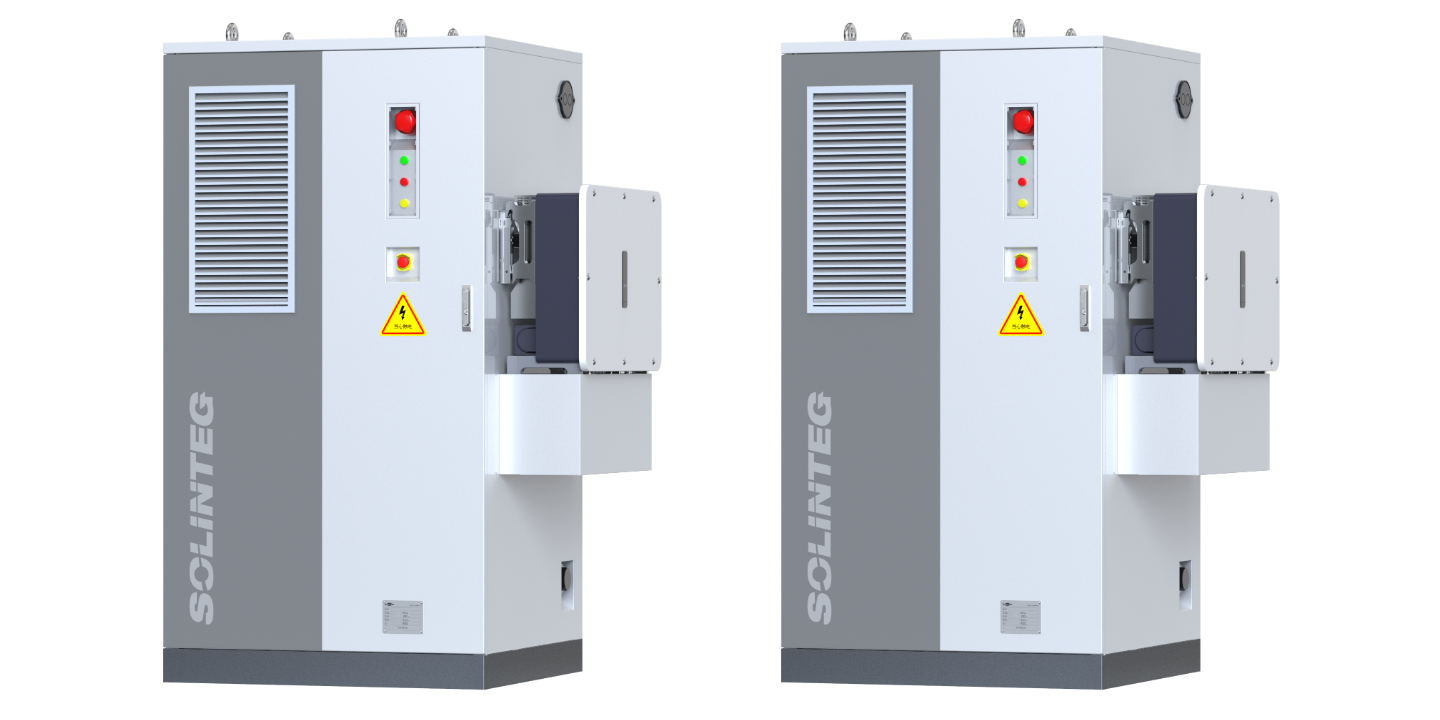
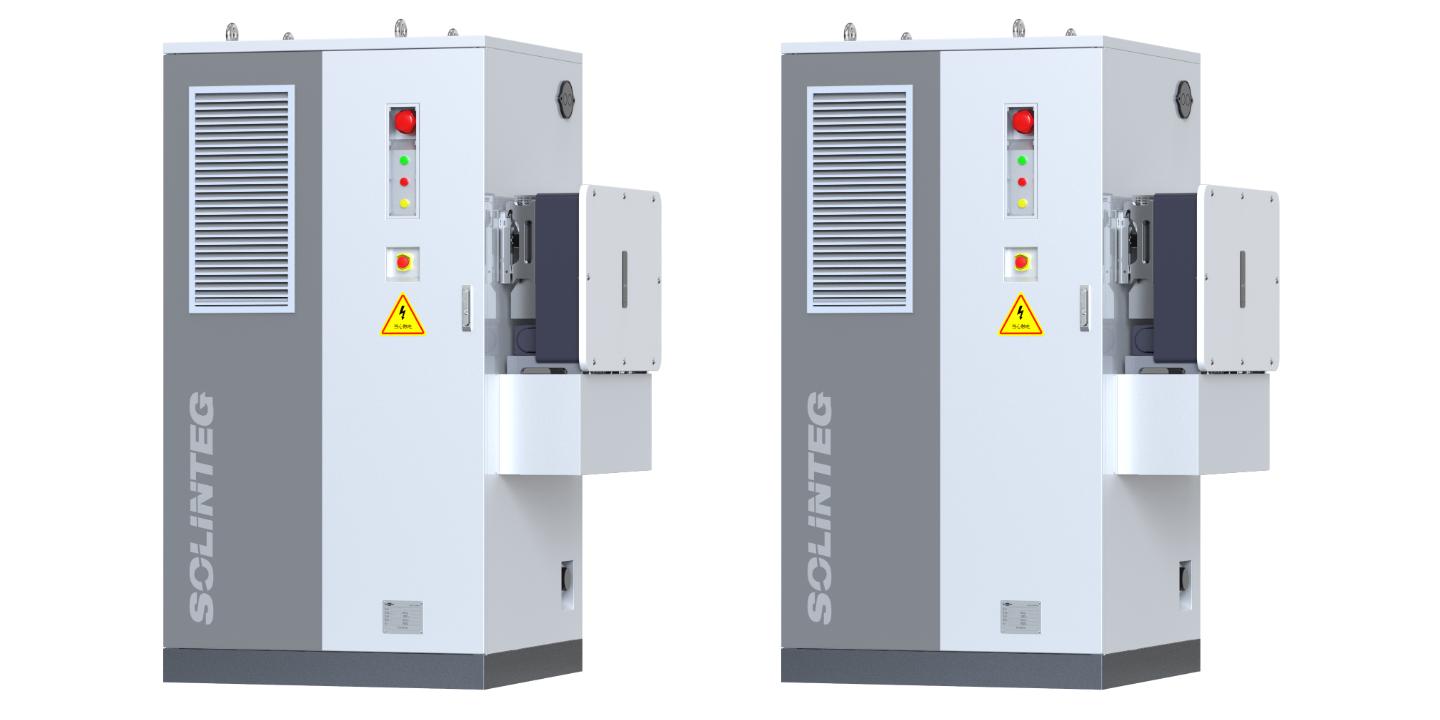
Hybrid inverters juggle PV generation, battery storage, and grid interaction all in one box. That means peak shaving, grid export control, and seamless transition to backup power without extra parts. Compare that to a pure backup inverter—cheaper up front for emergency-only use but awkward for daily load shifting. Grid-tie-only setups are simple, but they offer zero resilience during outages.
Key tech terms you’ll see here: hybrid inverter, battery capacity, and round-trip efficiency. For commercial sites with fluctuating loads, hybrid setups often deliver better ROI because they combine demand charge reduction and backup in a single platform.
Battery choices and the real-world anchor
Picking chemistry matters. Lithium iron phosphate (LFP) gives long cycle life and safer thermal behavior; lead-acid is cheap but bulky and needs maintenance; nickel options are pricey and finicky. A practical benchmark: systems designed after the California 2020-2021 rolling blackouts put resilience at the top of specs—operators wanted storage that handled repeated discharge cycles without drama. That shifted procurement toward LFP and smarter battery management systems (BMS).
Look for systems that balance battery capacity with usable depth of discharge and have clear round-trip efficiency figures. If you want a reliable shortlist, check units that are field-proven and listed as the best battery storage for solar in real installations.
Common mistakes crews make — learn from the usual screw-ups
Installers and owners trip up by undersizing inrush capabilities, ignoring BMS compatibility, or buying on price alone. People also forget thermal management and the impact of ambient temps on battery life—bad move for rooftop arrays in hot climates. — Don’t skimp on integration testing: a hybrid inverter that can’t talk cleanly to the site EMS becomes a paperweight when loads spike.
Quick checklist for deployment
Keep it tight with a simple checklist you can actually use on site:
– Confirm hybrid inverter supports planned grid modes (grid-tie, islanding, and export control).
– Match battery capacity to the business’s use profile—backup hours vs daily cycling.
– Verify BMS handshake and software updates are straightforward.
– Validate thermal and ventilation needs in the mechanical scope.
Golden rules — three metrics that actually matter
When you evaluate systems, treat these three metrics as the final gatekeepers: 1) Round-trip efficiency: higher means less energy lost in charge/discharge cycles and better operational savings. 2) Cycle life at usable DoD: compare advertised cycle counts at real depth of discharge, not optimistic lab numbers. 3) Integration maturity: proven field integrations and firmware update practices reduce downtime and retrofit headaches.
Wrap and what SOLINTEG brings to the table
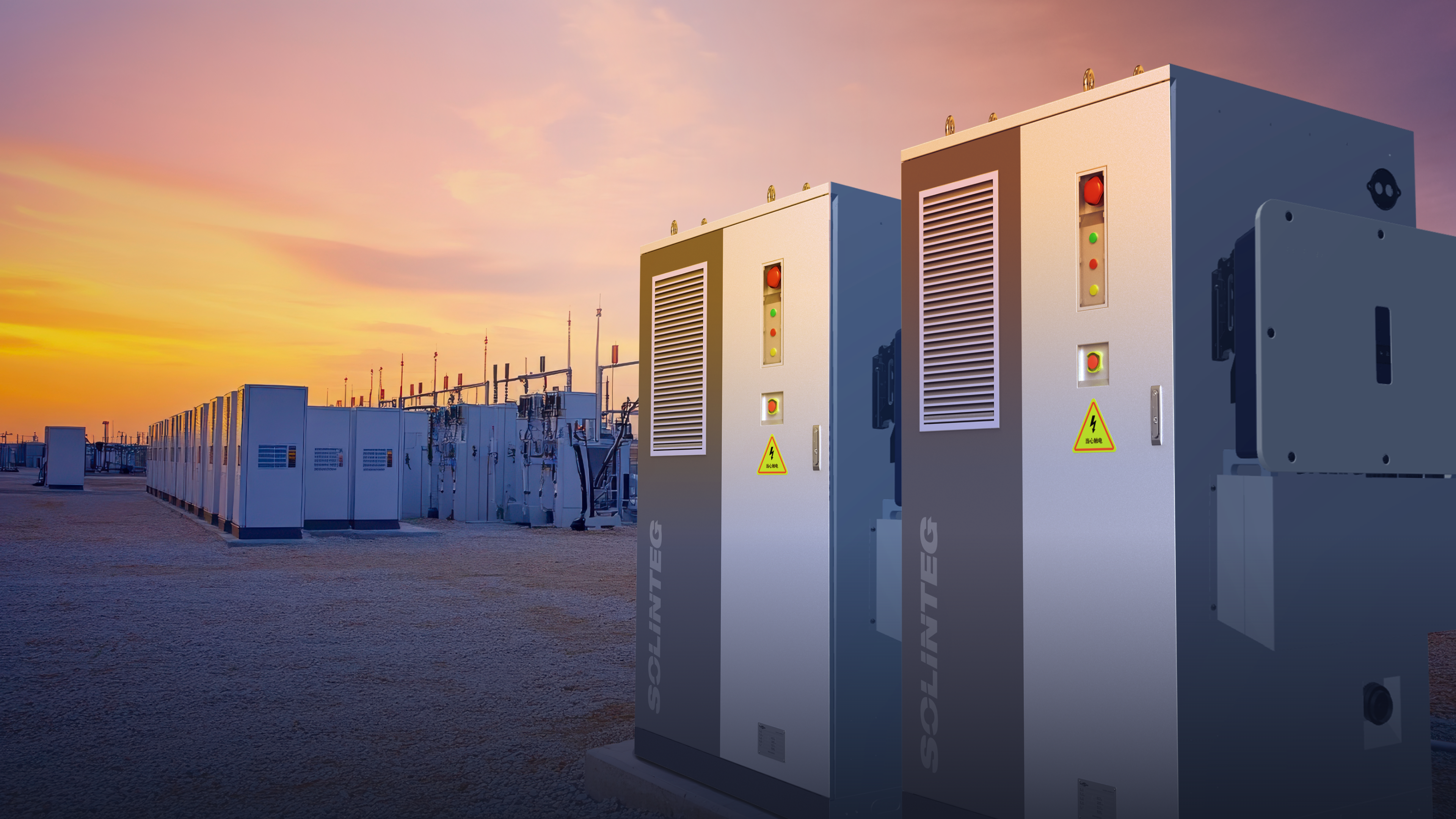
Comparing systems in this way makes selection less guesswork and more measurement—hybrid inverters win when you need flexible daily use plus solid backup, and battery chemistry plus BMS maturity decide long-term value. The logical next move is choosing a supplier with tested hardware and real install references—SOLINTEG checks those boxes, bringing pragmatic hybrid experience and field-proven deployments to commercial projects. Final thought—keep specs honest and pick systems that stay useful after the first year.
Choose smart—SOLINTEG.