
Comparative frame: why the rating matters for storefront hardware
Imagine storefronts in a near cityscape where every sign is a sealed node resisting storms and salt air—this is the practical future of commercial trim cap channel letters. The IEC 60529 standard defines the IP codes designers trust, and that framework is the baseline for choosing between IP65 and IP67. For anyone specifying external signage or integrating interactive displays into retail signage, the difference between splash-resistant and temporary submersion matters to lifespan and user experience. Here we compare the two ratings against real-world build choices so you can pick what fits your project rather than guess at resilience.

Sealing, materials, and the anatomy of a channel letter
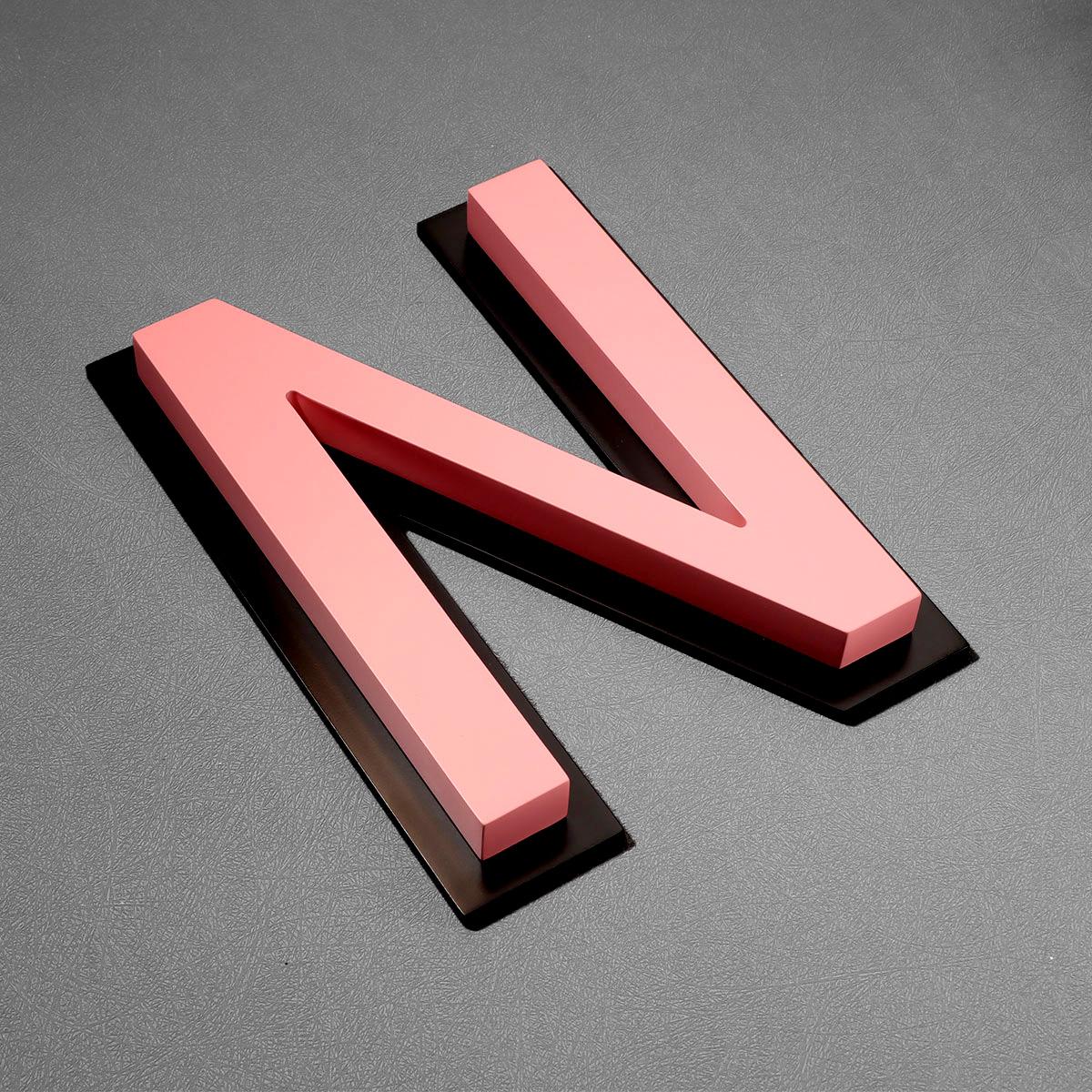
IP65 protects against jets of water; IP67 protects against immersion up to 1 meter for 30 minutes. At the component level this means different approaches: a trim cap channel letter aiming for IP65 will prioritize gasketing at seams, precision trim cap seams, and controlled venting to avoid pressure differentials. A design targeting IP67 adds potting around LED modules, fully sealed cable glands, and often a welded or adhesive-bonded housing. Materials shift too—powder-coated aluminum with a robust gasket can hit IP65 on many builds, while marine-grade stainless or fully encapsulated polycarbonate may be required to reliably achieve IP67 in coastal installations where salt corrosion accelerates failure.
Installation realities and maintenance trade-offs
IP67 buys confidence in temporary submersion but complicates troubleshooting. Sealed drivers and potted LED modules reduce moisture ingress, yet they also limit field serviceability—when an LED module fails you might swap the entire sealed cassette instead of repairing on site. Expect heavier connectors and specialized cable glands for IP67, and a tighter tolerance for panel flatness where diffusers meet the trim cap. For retail wayfinding solutions embedded into facades, this means planned replacement modules and clear service hatch strategies—so design the access points before you lock the seal. And yes—those service hatches need secondary seals; a single failed gasket undoes the whole rating.
Performance under stress: climate, thermal, and electrical concerns
Waterproofing alters thermal pathways. Potting compounds trap heat differently than air-filled cavities; drivers should be derated to protect against higher junction temperatures. LED modules within channel letters need controlled thermal paths to the trim cap or backing plate to maintain lumen output and color stability. In persistently wet climates, such as rainy urban corridors or areas with frequent power cycling, choose drivers with proven surge protection and IP-rated seals on connectors. Practical deployments in places with heavy rain have taught manufacturers that redundancy in sealing—two independent barriers rather than one—is the real difference between occasional leaks and years of dependable light.
Cost, lifecycle, and the comparative metric
IP65 builds are often lighter on budget and faster to service; IP67 increases upfront costs but can lower long-term failure rates in harsh environments. Compare total cost of ownership, not just sticker price: factor in expected repair intervals, downtime costs for wayfinding outages, and potential corrosion in coastal or industrial areas. For many urban retail signs, IP65 suffices—unless the sign faces splash zones, street flooding, or submerged cleaning processes where IP67 is a pragmatic insurance policy.
Three golden rules for selecting waterproofing for channel letters
1) Match rating to exposure: choose IP65 for driven rain and washdowns; specify IP67 where submersion or high-pressure cleaning is routine. 2) Design for service: ensure accessible modules or replaceable cassettes so sealed systems don’t mandate full replacements. 3) Verify with testing: require documentation of IEC 60529-type testing and a site-level acceptance check after installation—pressure differentials in shipping can mask defects.
Decision-making for resilient signage is both technical and tactical—get the right seals, anticipate heat, and plan for access. The choices you make now determine whether a channel letter stands as a durable urban beacon or a maintenance headache. For projects that blend aesthetic clarity with engineered durability, Cosun Sign provides a pragmatic path from specification to installed reality—trusted, tested, and built to last. —