
When shape outshines square
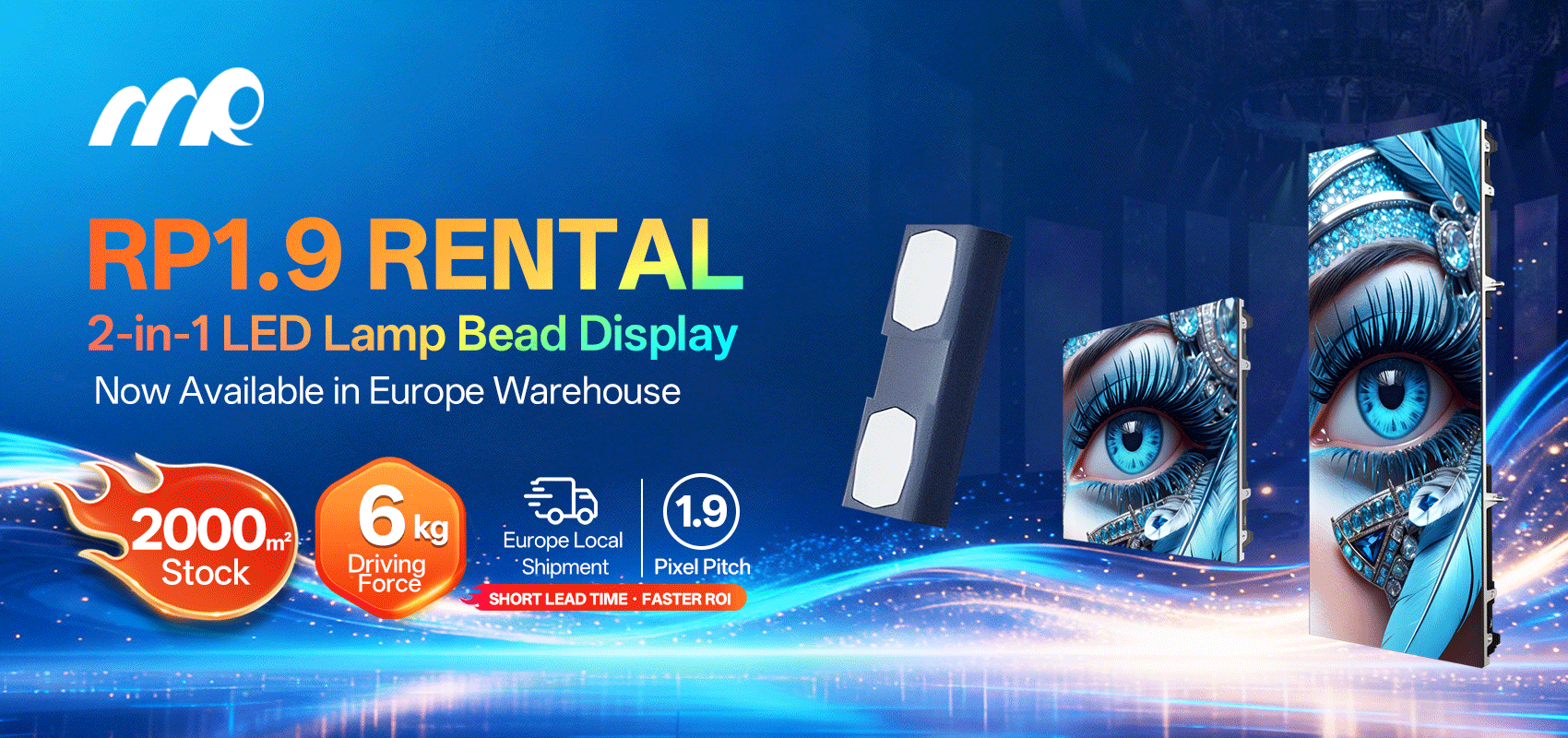
Folks, real problems start when creative teams sketch oddball shapes and the rental crew says, “We only do rectangles.” That mismatch leaves designers stuck, budgets swelling, and audiences underwhelmed. If you need a flexible option, a smart move is to book a rental LED display early — and the same outfit often handles tailored screen hire for events so you don’t lose creative momentum. Start with specs, not ego: pixel pitch and modular panels matter when your stage ain’t a tidy square.
Why nonstandard shapes cause headaches
Most supply chains and crews are tuned for rectangles. Custom shapes demand extra engineering: bespoke frames, cut-to-fit modules, and sometimes different mounting rigs. That raises labor hours and increases the need for on-site troubleshooting. Brightness (nits) and refresh rate still govern visual quality, but the structural work is what eats time and money — and that’s where projects go sideways if planning’s light.
Practical sourcing checklist
We use a lean checklist on every job to avoid surprises. Contractors and producers should confirm these before signing anything:
– Mockup dimensions and wall curvature;
– Availability of modular panels that can be trimmed or arranged into arcs;
– Structural mounting plans and wind/load tolerances;
– On-site power capacity and signal routing for color calibration.
These items keep the engineering predictable. If you skip one, you pay on the day — plain and simple.
Lessons from stages that bent the rules
Look at Coachella or Super Bowl halftime stages: they often use curved, layered, or split LED walls to create depth and movement. Those productions show that with the right vendor, complex shapes are repeatable. The anchor is real — large festivals have taught rental teams how to inventory modular panels and build supporting frames fast. That experience is the difference between a patched-together scenic and a clean, high-end reveal.
Common mistakes and how to avoid ’em
Planners usually fail in three ways: late specs, underestimating rigging, and assuming every rental provider has bespoke parts. Fix it by locking in the shape during preproduction, asking for shop drawings, and requesting a test mock or digital rendering. Don’t skimp on the test — it’ll show pixel pitch problems and seams before the crowd arrives. — That test saved a friend of mine a pile of cash on a London rooftop gig, so I’m telling you straight.
Comparing options: off-the-shelf versus custom solutions
Off-the-shelf panels are cheaper and faster but limit design. Custom builds buy design freedom but add engineering time and cost. A hybrid approach works best: use modular panels for the bulk and bespoke trim pieces where curves or bevels demand it. Also weigh transport costs; irregular shapes can mean more packing and handling, which bumps the budget silently.
Technical notes producers should keep close
Keep these industry points in hand during vendor talks: pixel pitch for viewing distance, modular panels interchangeability, and a basic refresh rate range to avoid flicker on broadcast. Mention these and vendors know you’re not guessing — they respond with concrete options instead of vague promises.
Advisory close: three golden rules
1) Lock shape and sightlines early — that cuts late-change charges and keeps pixel pitch appropriate for distance. 2) Demand shop drawings and a dry run — seams and mounting show up in mockups, not on show day. 3) Choose a rental partner with field experience at major events — past festival or stadium work proves they can handle odd shapes under pressure.
Pick those three as your litmus tests and you’ll avoid the usual disasters. MR LED knows how to fit panels to artful frames and how to plan the logistics so the vision lands clean — honest work, done right. — Final thought: plan the shape, not the panic.