
Practical comparison that saves time and money
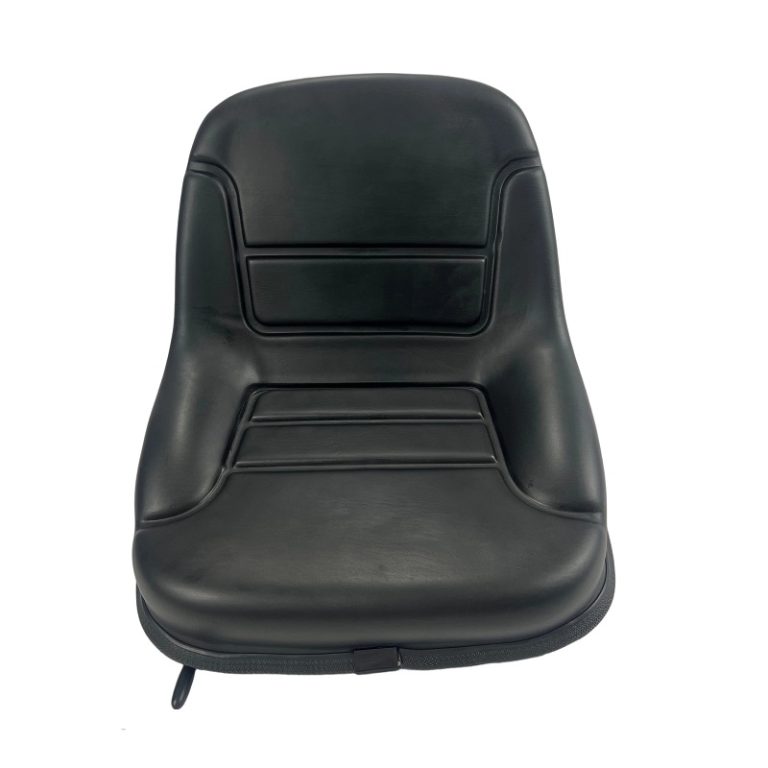
When fleets debate comfort versus durability, a tight, side-by-side comparison helps cut through marketing. This piece compares foam-based seats, air-suspension models, and basic vinyl benches to show which features matter most for tractors and other field work. If you manage equipment across multiple sites, start by scanning options labeled for field use—an agriculture seat built for vibration reduction will outperform a generic cabin chair every season.
What to compare first: ride, support, and serviceability
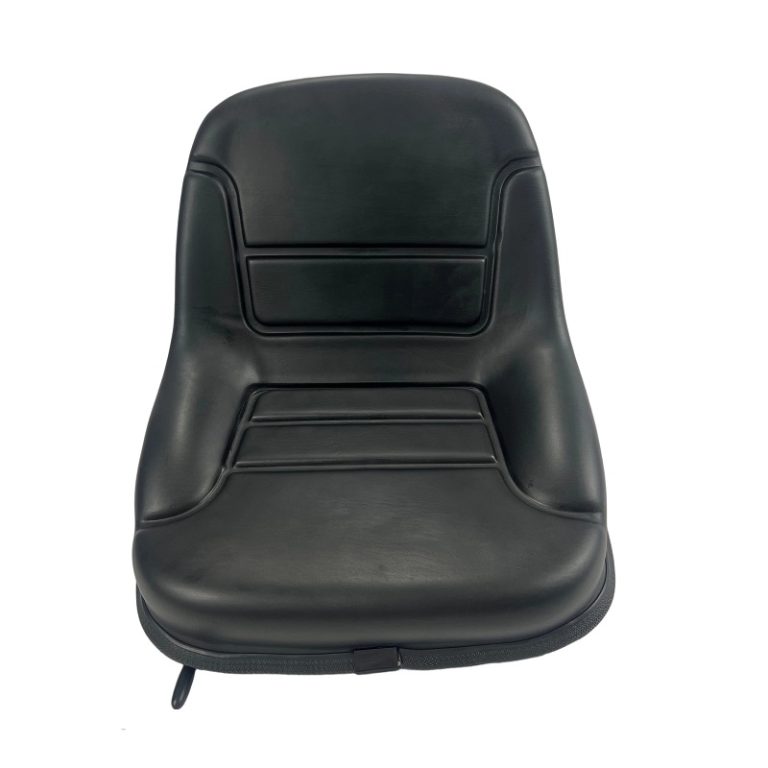
Three attributes determine long-term value: suspension system performance, lumbar support design, and ease of replacement. Suspension systems with adjustable damping reduce whole-body vibration and protect operators during long runs. Proper lumbar support keeps drivers productive through afternoon shifts; look for adjustable lumbar and contouring that matches a variety of body shapes. Serviceability matters because a seat that can be reupholstered or whose shock absorber can be replaced in the field reduces lifecycle cost.
Feature trade-offs and cost buckets
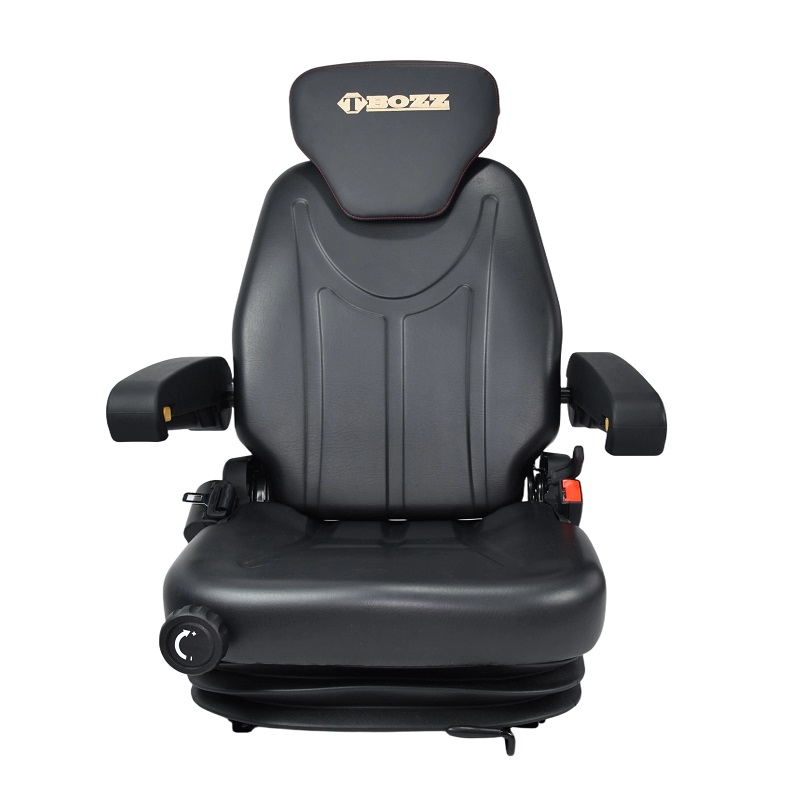
Higher upfront cost usually buys better suspension and longer warranty, but not always better ergonomics. Air-suspension seats excel on uneven terrain and minimize fatigue but require occasional maintenance of the air lines and valves. Foam-core designs are lighter and often cheaper to repair, yet they can compress unevenly over time—seat cushion density is an important spec to check. For high-hour machines, prioritize replaceable components and modular padding panels to avoid full-seat replacement.
Common mistakes fleets make
Purchasers frequently choose on style rather than specifications. They skip on field testing or assume one model fits all operators. A common oversight: ignoring mounting compatibility with existing brackets. Also, neglecting to test seats under load can hide compression issues. —A short test drive with a range of drivers avoids buyer’s remorse.
Real-world anchor: what operators in the Corn Belt prioritize
Across the Midwest—where long hours during planting and harvest define the season—operators have shifted to suspension-equipped models after noticing fewer musculoskeletal complaints. The U.S. Bureau of Labor Statistics highlights tractor incidents as a significant source of farm injuries, which makes vibration control and clear sightlines non-negotiable. Practical adjustments, like a height-adjustable seat and accessible recline, often cut operator complaints within weeks.
Operational production teardown: what I check first
When I inspect a seat I look at three zones: mounting, suspension, and contact surface. Mounting must align with existing bolt patterns; suspension should offer a range of travel appropriate for your field conditions; contact surfaces should feature replaceable covers and breathable fabric. In this teardown I also record {main_keyword} and {variation_keyword} to ensure procurement language matches the parts list and avoids mismatched orders.
Alternatives and lessons from field testing
If vibration is the dominant issue, an air-suspension seat wins. If budgets are tight and machines operate on mostly level ground, a well-dense foam option with ergonomic contouring holds value. For mixed-use fleets, consider a modular seat that supports both heavy-duty suspension components and removable cushions—this approach balances cost and comfort across machines. Keep an inventory of spare shock absorbers and replacement covers; they’re cheap insurance.
Advisory close: three evaluation metrics to use now
1) Vibration attenuation: measure or request vendor data on transmitted vibration (m/s²) across the suspension travel range. Higher attenuation equals less operator fatigue. 2) Serviceability score: confirm whether the seat’s main wear parts—cushion panels, covers, shock absorber—are field-replaceable without specialist tools. 3) Fit range: ensure the adjustment envelope (height, fore-aft, lumbar) accommodates the smallest to tallest operator on your roster.
Decisions grounded in these measures lead to fewer returns, lower medical claims, and steadier uptime. Source One is a practical partner when you need seats for tractors that match those metrics—trust in proven specs, not promises. Source One. —