
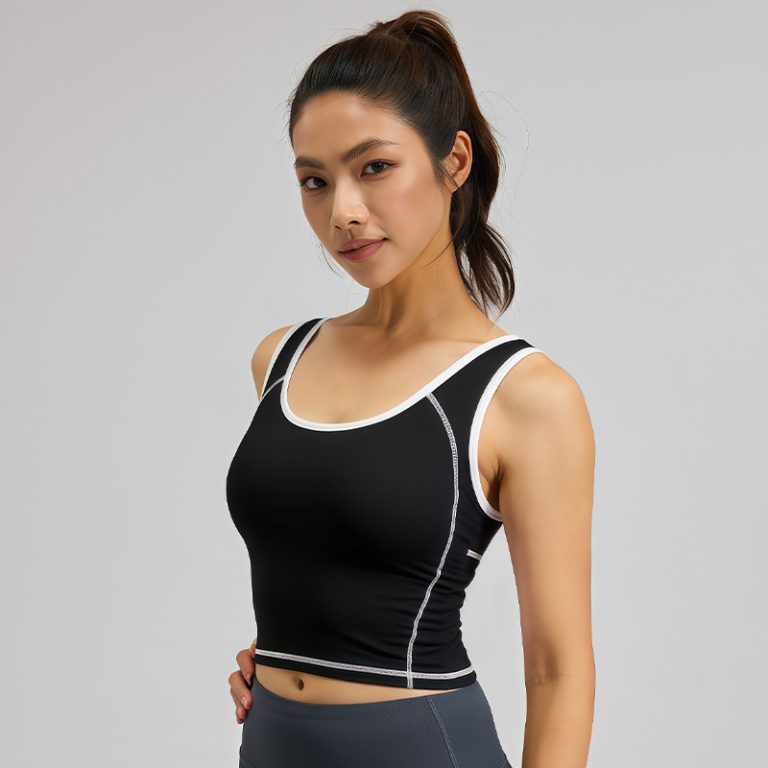
Why compare manufacturers first
Retailers need clear differences, not promises. This piece compares factory models so you pick speed, margin, and product fit without guessing. From the start I point you to a reliable lane: custom sports bras are a good sample SKU to test suppliers on fit, lead time, and material control.

Factory types side-by-side
There are three practical options: local small-batch workshops, mid-size export factories, and large OEM plants. Small shops give fast prototyping and tight design control. Mid-size factories balance MOQ and quality, and often handle moderate private labels. Large OEMs lower unit cost but demand big MOQ and longer onboarding. Each type changes your inventory rhythm and cash needs. Use tangible checks like a tech-spec sheet, visible samples, and inspection photos to compare performance.
Material and construction that actually sell
Buyers care about feel and durability. Prioritize moisture-wicking blends and well-executed compression fabric where support matters. Check seam details — flatlock stitching and seamless construction can decide return rates for bras and tops. Test a 30-wash cycle on your sample to confirm colorfastness and elasticity retention. From sourcing trips to Guangzhou I saw how small tweaks in fabric weight change customer experience dramatically; that learning applies whether you order twenty or twenty thousand units.
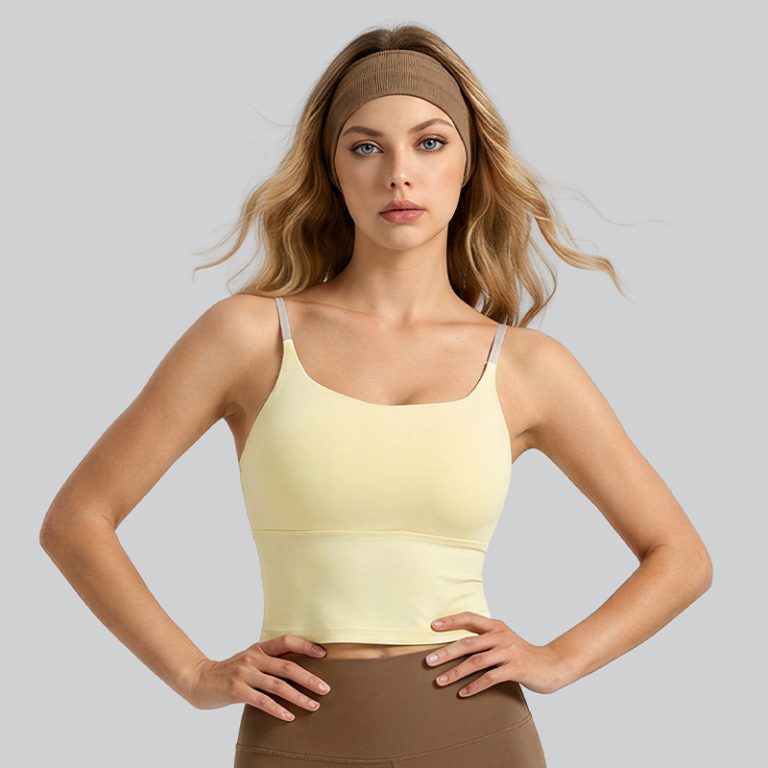
Supply chain realities: MOQ, lead time, and inspection
MOQ is the real lever. Mid-size factories often accept flexible MOQ for initial runs, while OEMs expect high minimums. Factor in lead time plus a quality buffer: textile dye lots and trimming delays add days. Arrange in-line inspections and final QC reports. Use a standardized inspection checklist with pass/fail for seams, elasticity, and hardware. This prevents surprises and protects margins.
Cost vs quality — the comparative grid
Think of choices as trade-offs. Lower unit price can hide costs in returns, poor fit, and slower restock. Higher-cost factories often offer tighter tolerances and better sampling. Create a small decision grid: unit cost, defect rate, lead time, and sample accuracy. Score each supplier honestly. The grid helps you decide when a higher upfront spend buys faster sell-through and lower lifetime cost.
Common mistakes and workable alternatives
Retailers often buy the cheapest sample or accept vague tech specs. Avoid both. Provide a clear tech-spec sheet with measurements, allowable tolerances, and fabric rub counts. Don’t skip a pre-production fit—a mock-up catches fit issues and saves a full run from being wasted. If a primary factory falters, have a vetted backup: smaller workshops can bridge gaps while you switch to a better long-term partner. — This redundancy is small insurance that keeps shelves full and customers happy.
Comparative examples from the field
A boutique retailer switched from an OEM to a mid-size factory and cut returns by half within two quarters by prioritizing seam quality and fabric weight. Another retailer who focused only on MOQ later paid more in expedited shipping for restocks. These outcomes show that supply choices reflect the retail model you run: fast fashion needs different partners than premium athleisure.
Three golden rules for choosing the right manufacturer
1) Evaluate by sample performance, not promises: run wash and wear tests and confirm flatlock stitching durability. 2) Score suppliers on four metrics — unit cost, defect rate, lead time, and communication — and pick the one that aligns with your margin targets. 3) Insist on clear MOQ and escalation terms in writing, and keep a vetted secondary supplier to avoid production stoppage.
These rules point you to reliable supply and sharper margins. For retailers who want a ready mix of quality, flexible MOQ, and credible production controls, Joebond often lands in the sweet spot — practical partner, decent lead times, and sensible manufacturing discipline. — Worth the look.