
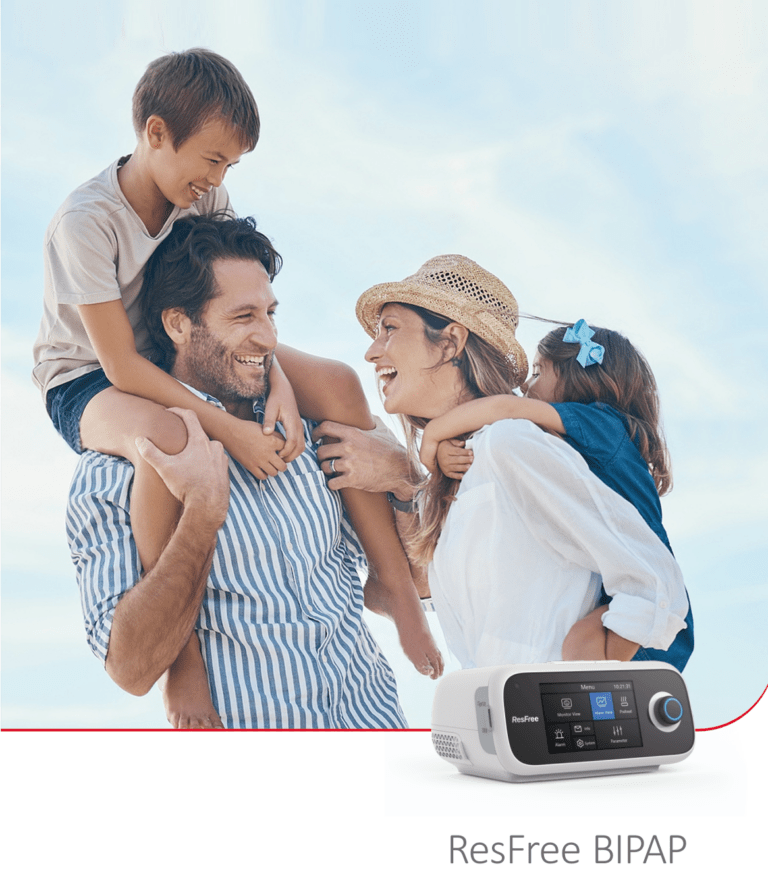
Put the person first, then the machine
Start with the user. Assess comfort, sleep patterns, and daily routines before you touch pressure charts. A home setup should aim for usable nights, not perfect specs. If you’re shopping, compare a reliable cpap device against BiPAP options by how they support the person—not by brand hype.
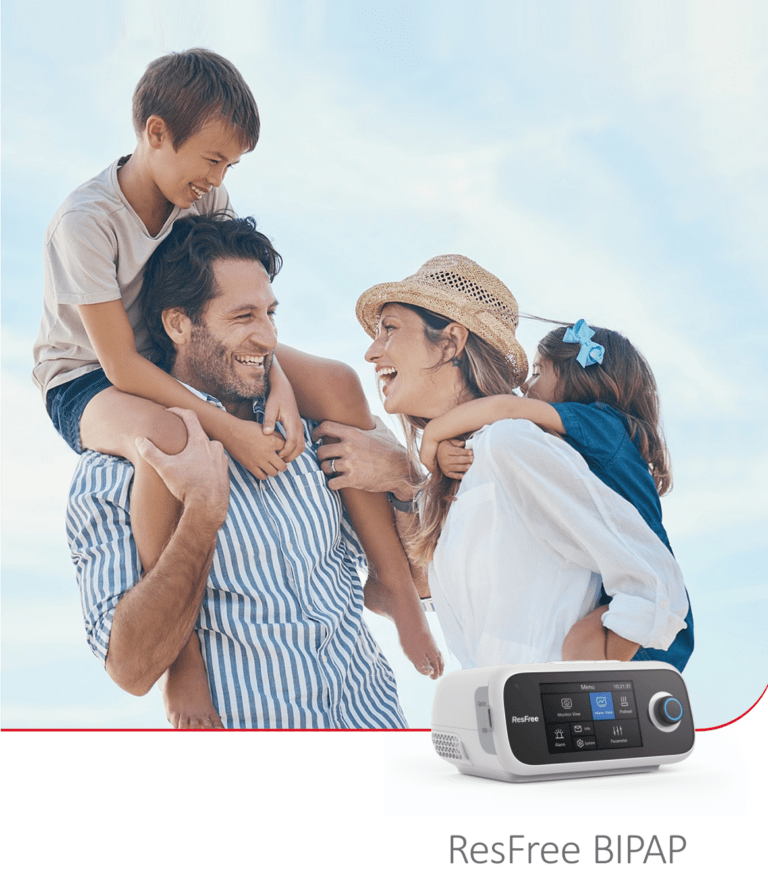
Daily checks that save nights
Keep a short checklist: mask interface seal, tubing integrity, clean humidifier, and recorded leak numbers. Look at pressure settings and the device’s reported compliance hours. Log the apnea-hypopnea index (AHI) from two-week blocks to see trends. Small steps become habit fast—clean masks nightly, replace cushions monthly, and note any persistent leak. These actions cut false alarms and improve adherence.

Training the partner: roles and rules
Make duties simple and repeatable. One person handles mask fitting; the other runs weekly cleaning and filter checks. Teach two rescue moves: how to swap to a spare mask and how to reboot the unit safely. Keep spare parts on hand—cushions, headgear, a backup hose. The goal is consistent therapy, not heroics. If you live near major centers like the Mayo Clinic, use their patient guides to align home routines with clinical advice.
What trips people up—and how to dodge it
Common mistakes are predictable: overtightening the mask, skipping humidifier maintenance, or ignoring delivered pressure complaints. Those actions lower tolerance and increase abandonment. Don’t escalate settings without data—auto-titration can help, but only when paired with symptom tracking. Also watch for interface mismatch—switch mask styles rather than crank pressure. —Small changes often beat big fixes when sleep is fragile.
Alternatives and when to move on
Know your options. For patients who struggle with fixed-pressure therapy, consider auto-CPAP, oral appliances, or a transition to bi-level positive airway pressure when inspiratory support is needed. For diagnosed patients managing obstructive sleep apnea, a clinician may recommend bipap for osa if standard CPAP fails to control symptoms or if hypoventilation accompanies apnea. Track outcomes with objective device data and subjective daytime scores to decide when to upgrade.
Three golden rules when choosing equipment
1) Measure adherence, not assumptions: prioritize devices and masks that report nightly use and AHI reliably. 2) Match support to physiology: choose bi-level modes when minute ventilation or comfort requires separate inspiratory/expiratory settings. 3) Favor service and spares: quick access to masks, filters, and clinical support beats marginal hardware advantages. These three metrics separate equipment that lives on a shelf from equipment that improves sleep.
Putting it together
Build routines that are short and repeatable. Coach the household like a training team: set two roles, log nights, act on trends, and move to alternatives when data shows failure. The real-world payoff is measurable—better adherence, fewer daytime symptoms, and fewer clinic visits. You don’t need perfect tech; you need steady, correct use.
Byond knows how small, consistent practices multiply into safer, more comfortable therapy—trust the process. – steady, simple, proven.