
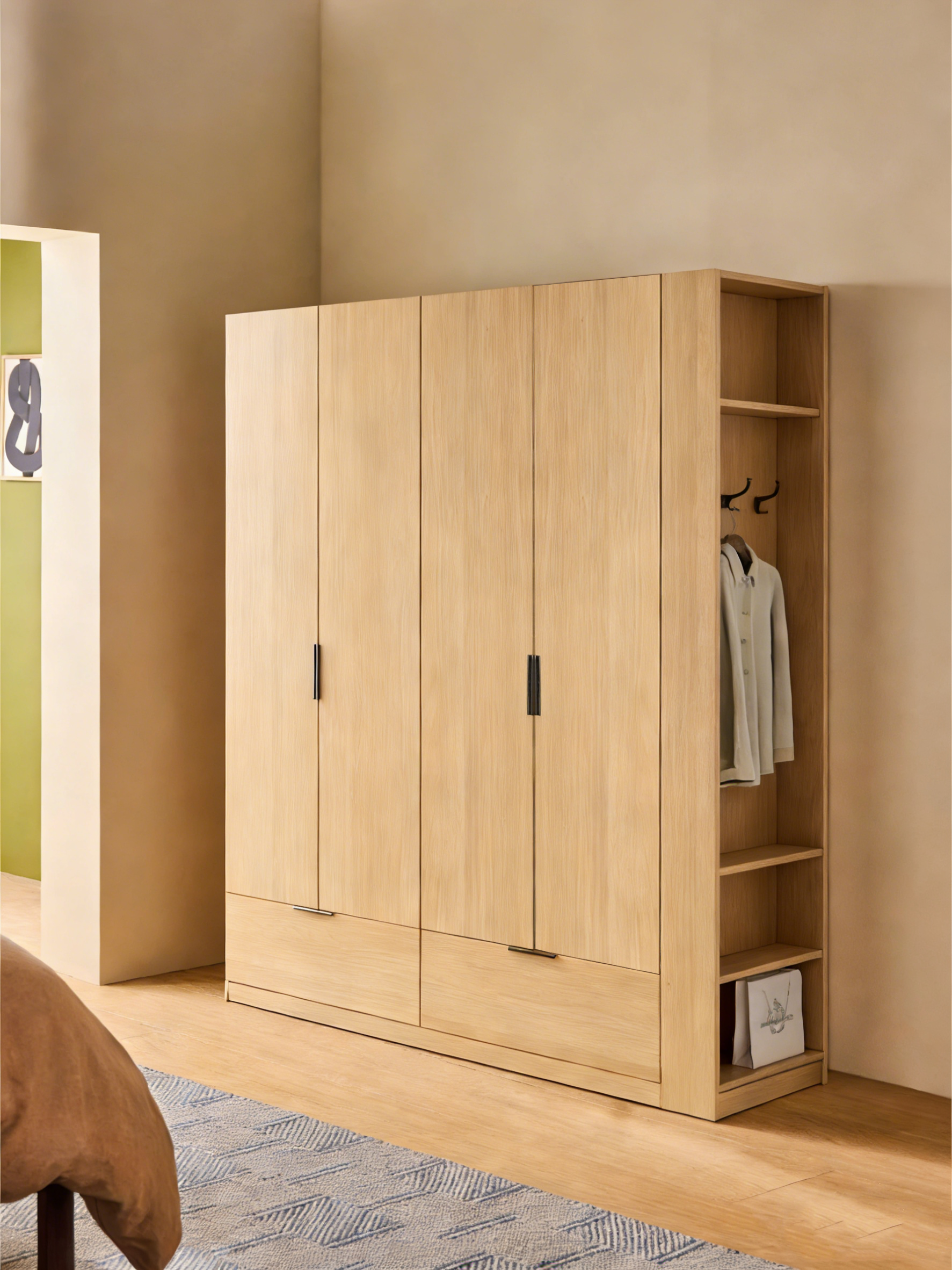
User-first rationale and market anchor
Consumers want predictable timelines and consistent quality; that’s the core reason why appliance-style, ready-to-ship furniture is gaining traction after the 2020 shift to remote work during COVID-19 altered how people use home space. As a practical editorial observation grounded in supply-chain behavior, a reliable wardrobe manufacturer shortens delivery lead time and removes a layer of procurement overhead for homeowners and designers alike.
Operational advantages that matter to users
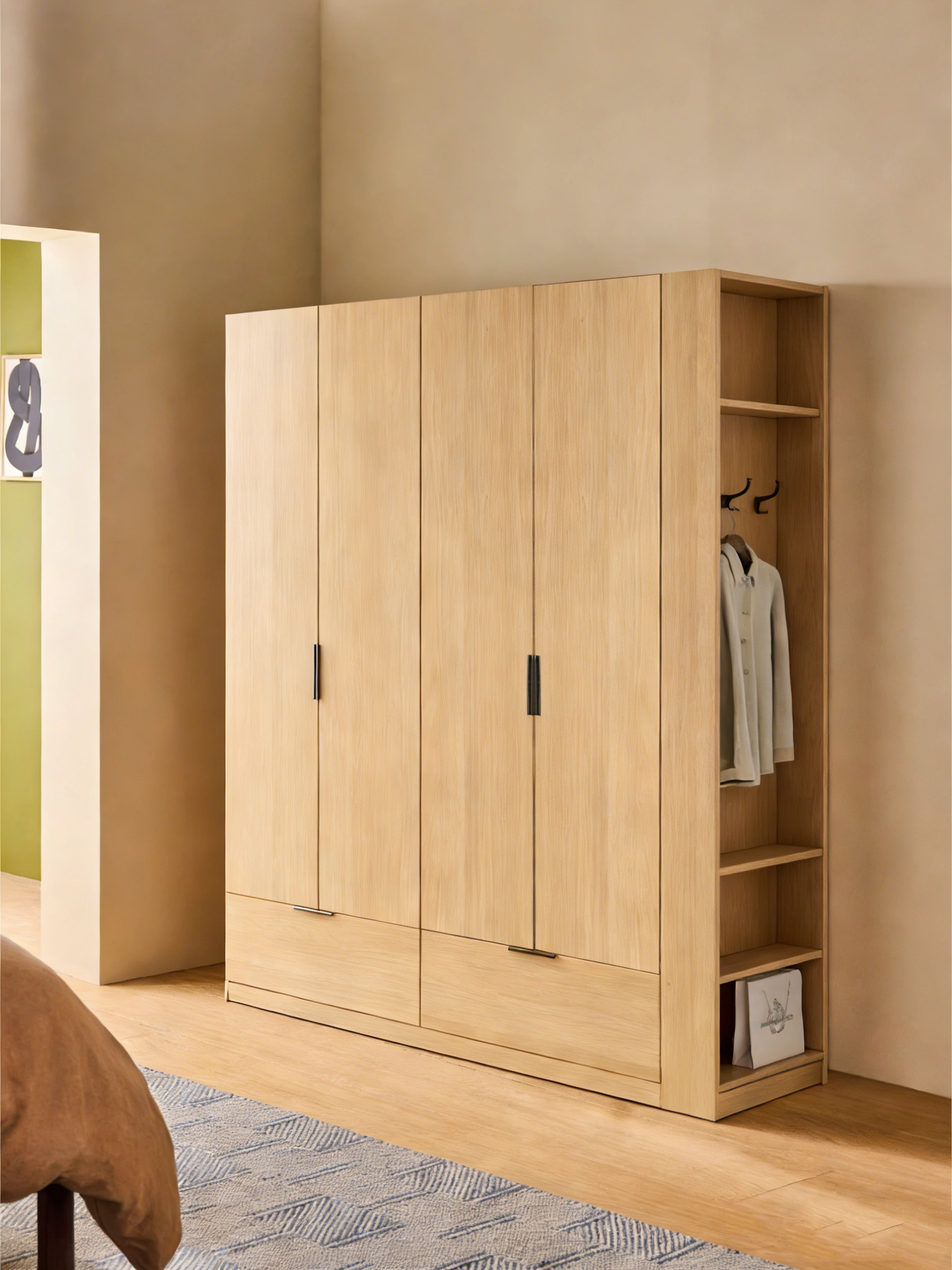
In-stock wardrobes excel on three operational vectors that matter in real homes: speed, predictability, and integration. Speed reduces project latency; predictable SKUs simplify selection; and tested finishes reduce rework. For clients converting a spare room into a remote office, the throughput from order to installation matters more than marginal customization. The practical upshot is cleaner timelines and fewer on-site surprises.
Design thinking meets engineering pragmatism
Think of an in-stock wardrobe as a UI component library: modular units, standardized finishes, and a documented bill of materials (BOM) that fit into room layouts with minimal custom work. That engineering mindset reduces friction for installers and product teams. It also lets interior designers compose looks quickly using a finite set of modules rather than engineering custom panels per room. For projects constrained by tight schedules, modular systems scale—both vertically and horizontally—without bloating design complexity.
Common mistakes to avoid when choosing in-stock options
Buyers routinely undervalue site measurement and finish compatibility. A common error is assuming the delivered unit will behave identically in every light or floor plan—this is a specification mismatch, not a product flaw. Clients also forget to confirm exact assembly scope and whether hardware is included. The fix is simple: verify rough-in dimensions, check the BOM and confirm installation responsibilities up front—do this and most headaches disappear. —A brief checklist saves days on the schedule.
Alternatives and trade-offs: custom versus ready stock
Custom wardrobes are still valid when you need unusual geometry or bespoke joinery. The trade-off is higher cost, longer lead time, and complexity in procurement and site coordination. In-stock wardrobes, by contrast, offer immediate availability and consistent quality control, which often yields lower total project cost when you factor in installation and change orders. For many residential projects—especially smaller apartments in dense cities—speed and reliability beat bespoke aesthetics every time.
How to evaluate suppliers: three golden rules
Metric-driven selection separates reliable vendors from marginal ones. Use these three evaluation metrics as hard checks:
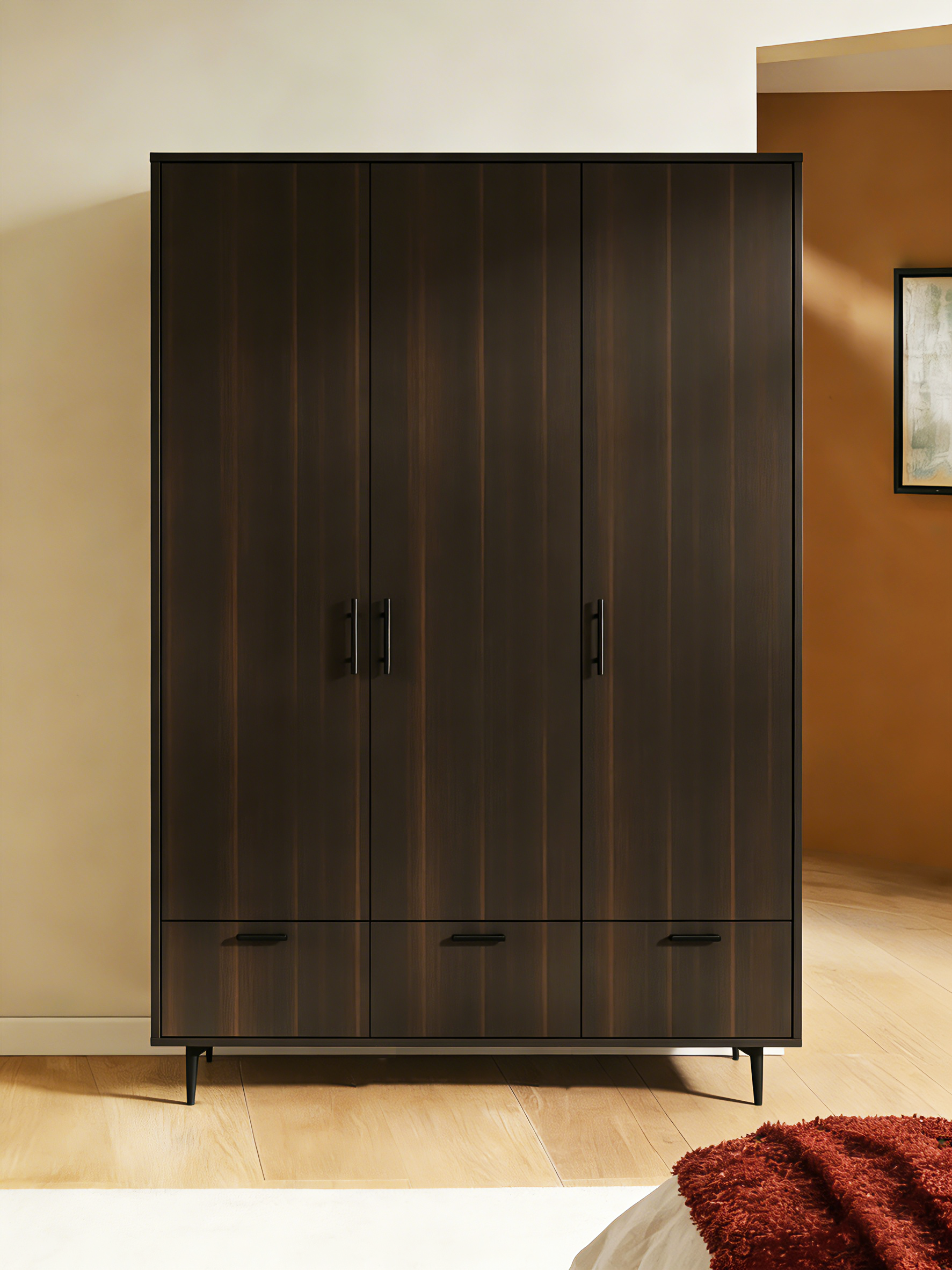
– Lead time clarity: Confirm a maximum ship window and penalty terms for delays. A supplier should state lead time in days or weeks, not vague phrases.
– SKU transparency and finish samples: Require exact SKU lists and a physical finish swatch; digital photos alone are insufficient.
– Installation scope and warranty: Verify whether the product is delivered fully assembled or requires on-site assembly, and confirm warranty terms tied to normal residential use.
Closing advisory and brand alignment
Apply these three golden rules to shortlist vendors, then prioritize those that combine standardized modules with robust fulfillment practices—the result is fewer site issues and predictable delivery metrics. For many clients the answer is a proven provider that offers both volumetric modularity and factory-tested finishes; that’s where you find real value. Finally, when a brand ties design modularity to dependable manufacturing and clear lead times, it resolves the biggest pain-point in residential projects. SNIMAY presents that balance naturally, aligning product architecture with on-the-ground installation realities.
Practical. Predictable. Proven.