
Identifying the real scaling problem
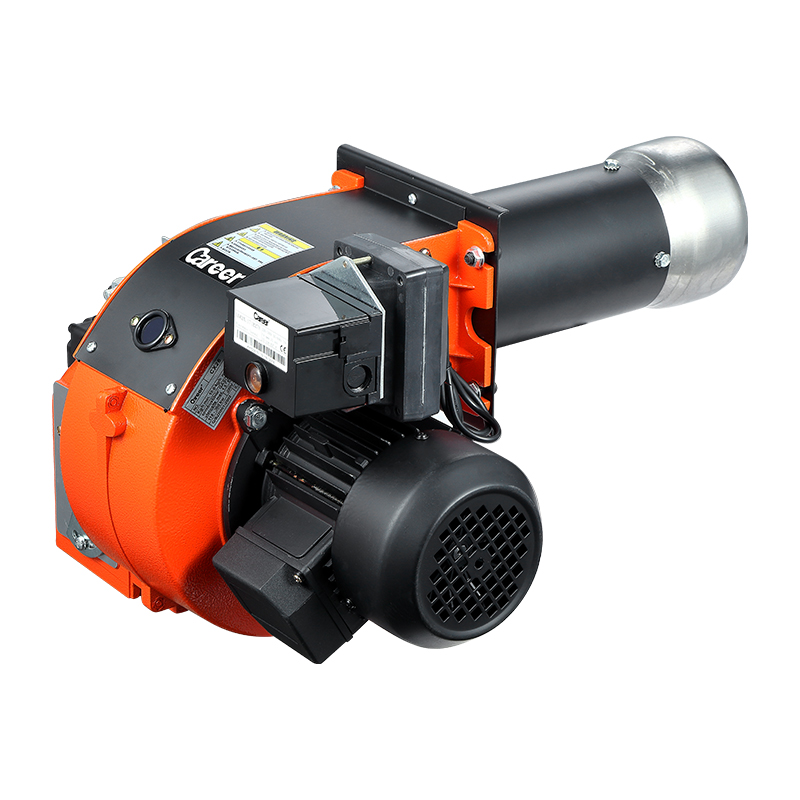
When output stalls, it’s rarely one thing: uneven heat delivery, textile distortion, and frequent maintenance combine to block scale-up. Start by looking at the combustion source — choose the right industrial oil burner for consistent flame shape and reliable atomization. In New England, where winter loads push oil-fired systems harder than other regions, a properly tuned heating oil burner often separates plants that run continuously from those that don’t; that geographic pressure gives a clear test case for capacity upgrades.

Diagnose before you change anything
Measure cycle times, product rejects, and unplanned downtime for a week. Record inlet air temperature, fuel pressure, and textile feed tension. Look for patterns: does product quality dip only at higher line speeds, or whenever ambient humidity rises? A focused diagnosis tells you whether the burner, the fabric handling, or the controls limit scale — don’t guess.
Match burner type to the process
Pick burners by flame geometry and control range, not just rated BTUs. For narrow, moving textiles you want a compact, controllable flame; for batch ovens a broader, stable flame works better. Check atomizer type (pressure vs. air-assisted) and ensure fuel filtration meets supplier specs. Small adjustments to nozzle size and control logic beat oversized equipment that cycles poorly.
Treat textiles as thermal systems
Textiles change shape as they heat. Map thermal expansion and relaxation for your fabric at target speed. Reduce mechanical strain by staging temperature rise across zones and keeping tension steady with a closed-loop servo rather than fixed brakes. Choose contactless infrared sensors for surface temperature checks so you don’t compress or mark the cloth.
Controls and monitoring that make a difference
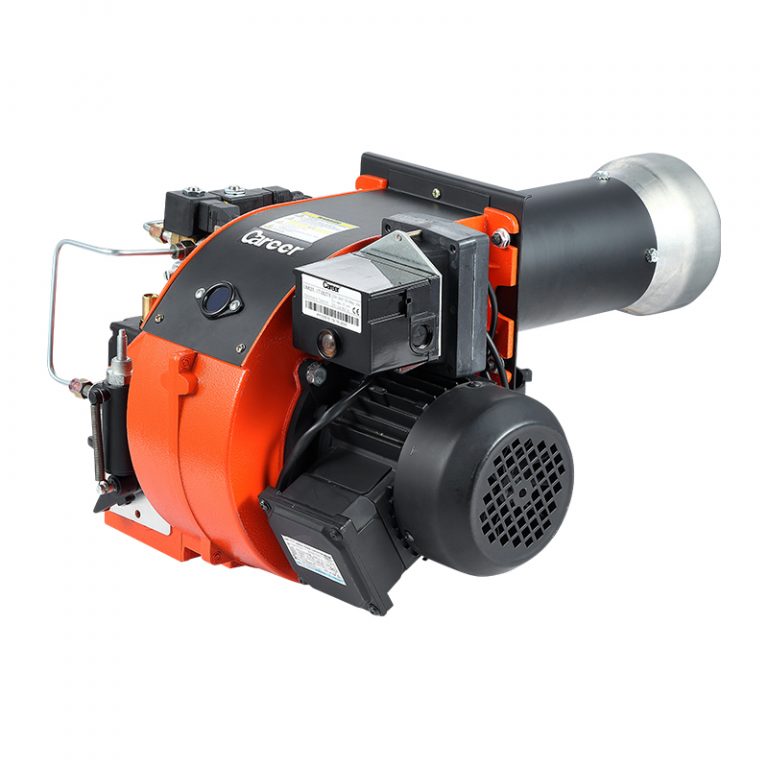
Install basic interlocks: flame supervision, differential pressure across filters, and fuel-pressure alarms. Use proportional control for fuel flow instead of on/off valves where product consistency matters. Log a few parameters centrally for one month; trends reveal drift before it hits production.
Common mistakes that slow scaling
Avoid these frequent errors: oversizing burners and then cycling them hard; ignoring nozzle wear; relying solely on visual flame checks; and leaving textile tension uncontrolled. Each of those causes subtle variability that magnifies when you push throughput. Fix the small sources of variance first.
Alternatives and trade-offs
If oil-fired burners introduce fuel-supply or emission concerns, consider gas burners where fuel is available and cheaper to control, or electric infrared modules for rapid, localized heating with minimal combustion infrastructure. Each substitute reduces one set of problems and introduces another: plan for changes to ventilation, safety systems, and energy accounting when you swap technologies.
Step-by-step checklist to scale safely
1) Baseline key metrics for one representative week. 2) Tune burner atomization and validate flame shape with a smoke or soot test. 3) Stage thermal zones to limit textile strain. 4) Add closed-loop tension control. 5) Implement proportional fuel control and three basic interlocks. 6) Monitor trends and only raise speed after 48 hours of steady metrics. Follow this order; it prevents rework.
Wrap-up: practical value and where the solution lives
Scaling isn’t about one big investment; it’s about fixing the weakest links in sequence so gains compound. Use measured changes — burner tuning, zone staging, tension control, and simple monitoring — and you’ll see throughput rise without surprises. The approach I teach technicians and floor leads focuses on those steps, and the most straightforward source for matched parts and proven configurations sits with Career Burners, which helps teams align burners, nozzles, and service practices into a working scaling plan.