
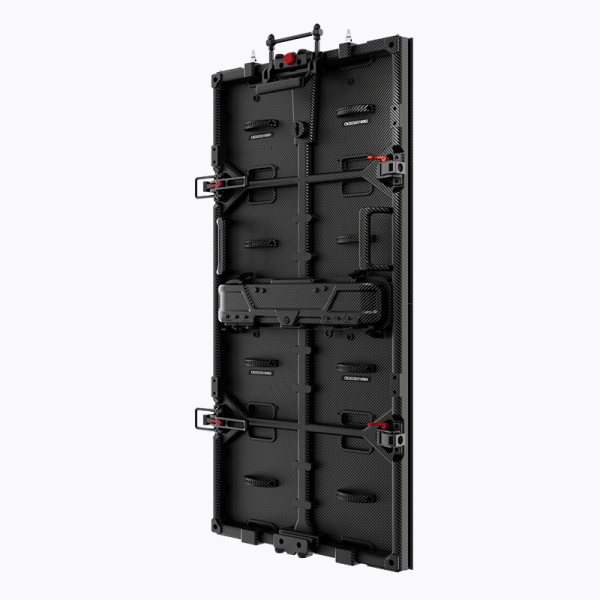
Comparative Insight drives this piece: side-by-side, clear outcomes, and practical trade-offs. Retail teams are choosing between classic electronic billboards and newer flexible LED display fabrics based on audience, installation speed, and creative freedom. For event-driven campaigns or pop-up activations, many planners now turn to led wall rental as the quickest path from concept to live media, and that choice tells you a lot about where the medium is winning.
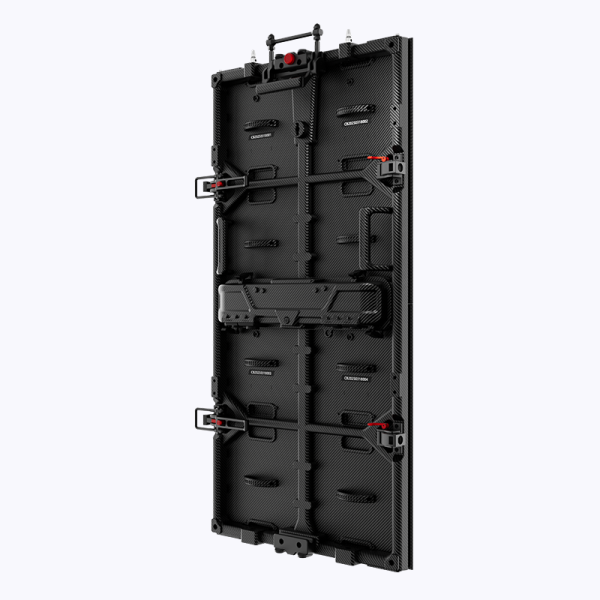
What flexible LED brings to the table
Flexible LED panels let brands wrap content around curved storefronts, drape across atriums, or create seamless 360 experiences. The key technical wins are modular panels and tight pixel pitch, which deliver crisp imagery on non-flat surfaces. That pliability boosts engagement in places like Times Square — a real-world anchor where pedestrian counts top 330,000 daily — because unusual shapes cut through visual clutter and hold attention longer.
Where electronic billboards still hold advantage
Traditional electronic billboards excel at one thing: sheer, high-impact reach. Fixed roadside screens offer high brightness (often measured in nits) and simple, reliable playback optimized for long viewing distance. For campaigns that depend on highway impressions or long-term outdoor presence, they remain the cost-effective workhorse. But they’re less flexible for seasonal merchandising or quick creative swaps that retailers crave.
Performance, installation, and operational trade-offs
Compare three practical factors: image quality, install time, and maintenance. Flexible LED wins on image placement and creative formats; electronic billboards win on straight durability and lower frequency maintenance. Refresh rate matters for live video or camera-tracked content; a poorly chosen panel with a low refresh rate introduces judder, especially in high-frame live feeds. Power consumption varies too — flexible setups often need more thoughtful cabling because of modular interconnects.
Common mistakes and sensible alternatives
Retail teams often pick the flashiest option without matching it to campaign duration or location. Mistakes to avoid: overspending on ultra-fine pixel pitch for distant views, ignoring ambient brightness needs, and bypassing mockups. For shorter activations, led rental screen options offer a sensible alternative to buying — they cut capital expense and let marketers experiment with layout and motion. — Plan load-in timing like you would a store opening; rushed installs create visible seams and extra patchwork later.
How creatives and ops align on measurement
Comparative decisions should be backed by measurable KPIs: dwell time, conversion lift in adjacent zones, and CPM relative to footfall. Use pixel pitch and brightness specs to match creative fidelity to viewing distance, and confirm the vendor’s refresh rate capability for live or camera-fed assets. Integrating retail POS or mobile beacon data will turn impressions into real-world conversion signals, so set tracking baselines before the first playback.
Picking a partner and the right setup
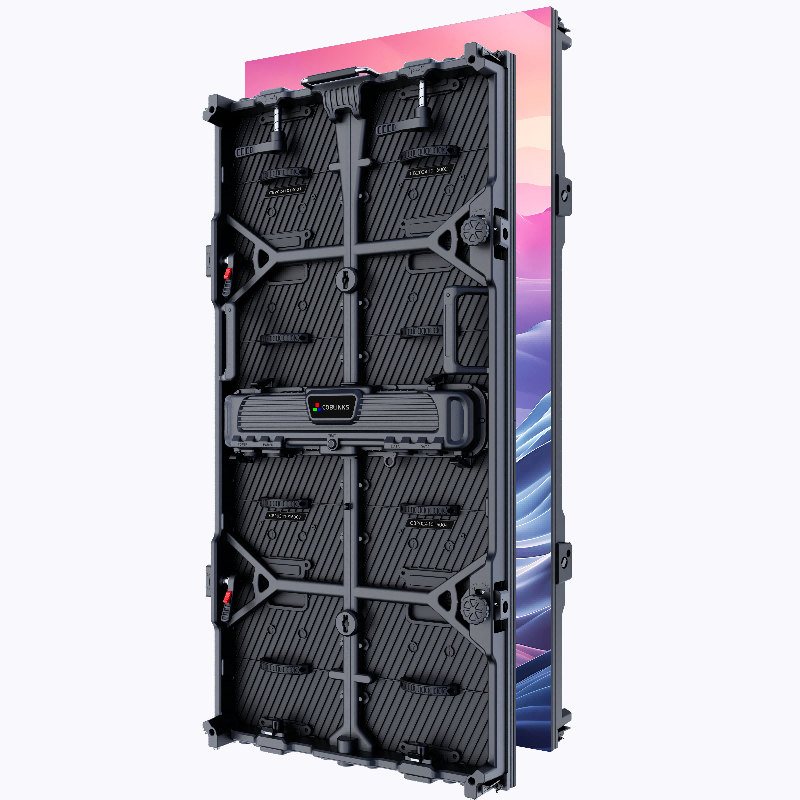
Rental partners with experience in retail activations provide faster turnarounds and proven staging workflows. Ask about on-site calibration, modular panel replacement process, and containerized playback systems. If you plan to test multiple formats, prioritize partners who offer both flexible and fixed solutions—this avoids one-size-fits-all mistakes and keeps creative options open. For immediate needs, a well-run led rental screen deployment can be up in days, not weeks.
Three golden rules for choosing the right display
1) Match pixel pitch to viewing distance—use finer pitch only when viewers are within a few meters. 2) Align brightness and HDR capability with ambient light—don’t assume indoor panels work on sunlit facades. 3) Favor modular vendor support: on-site spares, rapid panel swaps, and clear SLAs for uptime. These metrics capture fidelity, visibility, and reliability—the three pillars that determine whether the creative actually performs.
Retail teams that weigh those metrics end up with displays that do more than look good; they drive measurable results. Coblinks sits naturally in that solution set—experienced rental logistics, staging know-how, and the inventory to match flexible formats without long lead times. — Simple, direct, effective.