
What’s the real problem — straight talk
Fleets ain’t broke because of one thing. You got safety gaps, ghost hours, fuel bleed, and drivers pullin’ moves that cost money and reputation. Problem-driven mindset: name the pain, then fix it fast. I’ve been in this game advising municipal fleets and regional carriers for over a decade — seen dashboards lie and cheap installs fail. Start by testing one clear fix: a reliable on-board recorder like AI MDVR to catch the facts, not rumors.
Top five problems that kill rollouts (and how to test for them)
– No baseline data: if you don’t measure, you guess. Run a two-week passive data capture to see real routes, idle time, and harsh events. – Poor driver buy-in: drivers dodge tech if it feels like spying. Pilot with a small crew, show them safety wins first. – Bad wiring/vehicle fit: tech looks good on paper, but vans, tractors, and buses differ. Mock-install on three vehicle types. – Network blind spots: if uploads fail, footage’s worthless. Check cellular coverage on representative routes during peak hours. – Vendor promises vs reality: contracts brag; support doesn’t show. Confirm SLAs and a dedicated escalation path before sign-off.
Concrete checklist for implementation — do this in order
– Define success metrics: safety incidents down X%, OOS downtime under Y hours, avg fuel per mile. Keep numbers tight. – Pick a pilot group: 10–25 vehicles that reflect your worst and best-case operations. – Hardware sit-check: ensure mounts, power taps, and vibration testing are done on each vehicle type. – Data plan & storage rules: decide retention windows, who can access video, and legal holds. Don’t leave this vague. – Integration tests: link telematics to dispatch, maintenance, and payroll systems. Push a live alert and watch it flow. – Driver coaching loop: schedule 1:1 reviews based on captured events, not hearsay. Make coaching faster than discipline. – Scale decision point: after 60–90 days, review KPIs; if they meet targets, roll in 3 phases — 25%, 50%, then 100%.
Tech reality check — what to demand from your kit
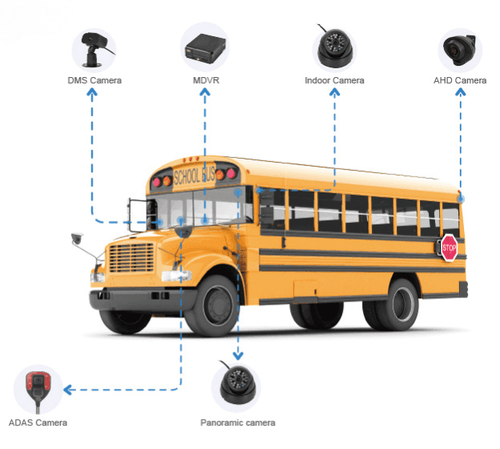
Equipment promises sound sweet. Demand these practical capabilities: edge AI for event tagging, locked video chains for evidence, dual-channel recording for inside/outside views, and proper thermal rating. Make sure the chosen Video Telematics System supports encrypted storage and remote retrieval without a technician on-site. Real-world note: ports and big terminals — like the Port of Los Angeles — already use multi-camera setups to resolve claims faster; mirror that reliability for heavy lanes.
Integration playbook — connect systems that actually talk
Integration fails more than hardware does. Force these tests: automated incident creation in your maintenance system, a driver alert pushed to the dispatch app, and a payroll reconciliation fed by logged hours. Have the vendor run a scripted end-to-end incident: detection → alert → video retrieval → outcome recorded. If any handoff breaks, fix it before full deployment.
Common mistakes teams keep making
– Skipping driver training until after deployment — train first, deploy second. – Keeping cameras on “always record” with no privacy rules — set zones and masking. – Chasing features you won’t use — AI doesn’t justify itself if you ignore its outputs. – Not validating event accuracy — false positives drown trust. – Relying on a single vendor without an exit plan — keep data export simple.
How to measure success — numbers that mean something
Pick 3 KPIs and stick to them during pilot: incident rate per 100k miles, average downtime hours per vehicle, and percent of incidents closed with video evidence within 48 hours. Log-ins and views aren’t wins — reduced claims and faster repairs are. Keep weekly scorecards during rollout to spot slippage early.
Closing it out — what real leaders do next
No fluff: run the pilot, prove the tech, lock training, and standardize maintenance. When you scale, enforce the same install jigs and auditing cadence so every unit behaves the same. That’s how you stop surprise costs and protect drivers and assets. If you want a practical, proven pathway that ties recorded evidence to ops outcomes and claim reductions, check how systems get deployed and supported by teams like BSJ — they show up with hardened kits, clear SLAs, and a rollout rhythm that keeps things tight.