
Clear problem: prototypes that miss the mark
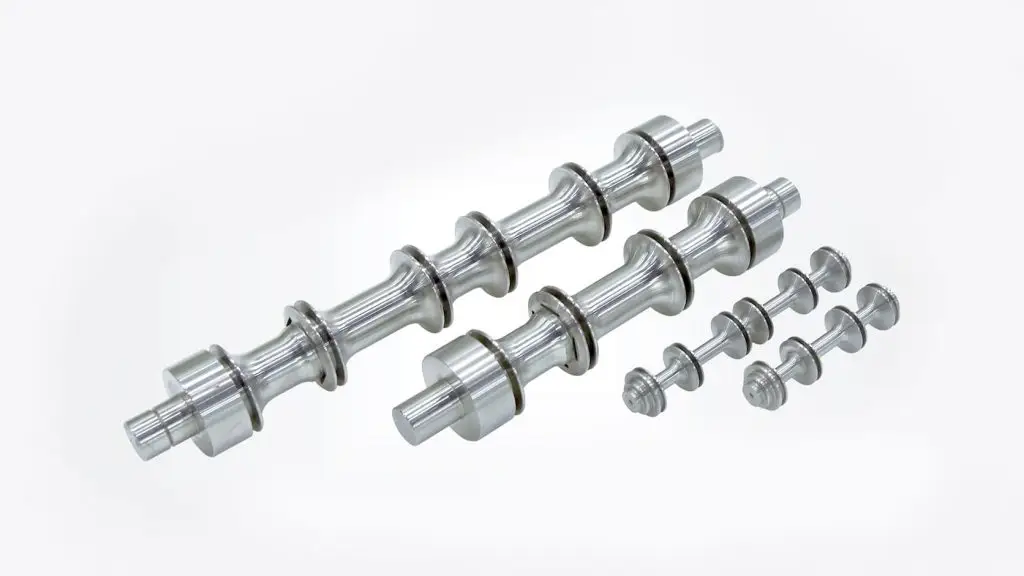
Buyers commissioning small-run parts face a recurring problem: prototypes that look right on paper but fail when measured against fit, finish, or functional tolerances. You pay for a model, yet the part either requires extra rework or won’t assemble correctly. If you need tailored tolerances or obscure materials, consider a provider who accepts detailed drawings and offers an honest timeline for delivery — this is where a custom cnc machining arrangement becomes essential to avoid surprises.
Why it keeps happening
The root causes are straightforward. Designers hand off ambiguous tolerance bands. Shops quote optimistic lead times without clear process plans. And critical features, such as thin walls or deep pockets, are treated like routine cuts. These issues persist because specification gaps propagate through production: each unclear note compounds downstream errors.
Technical checks every buyer must insist on
Demand explicit answers to three questions before placing an order: what is the achievable tolerance for each critical dimension, which toolpaths will be used, and what inspection method confirms conformance. Ask for a sample inspection report and, where possible, a trial piece with the same material and finish. Expect specifics — spindle speeds, feed rates, tool stick-out limitations — not vague assurances. If anyone shrugs at those details, pause the job.
Common pitfalls and how to avoid them
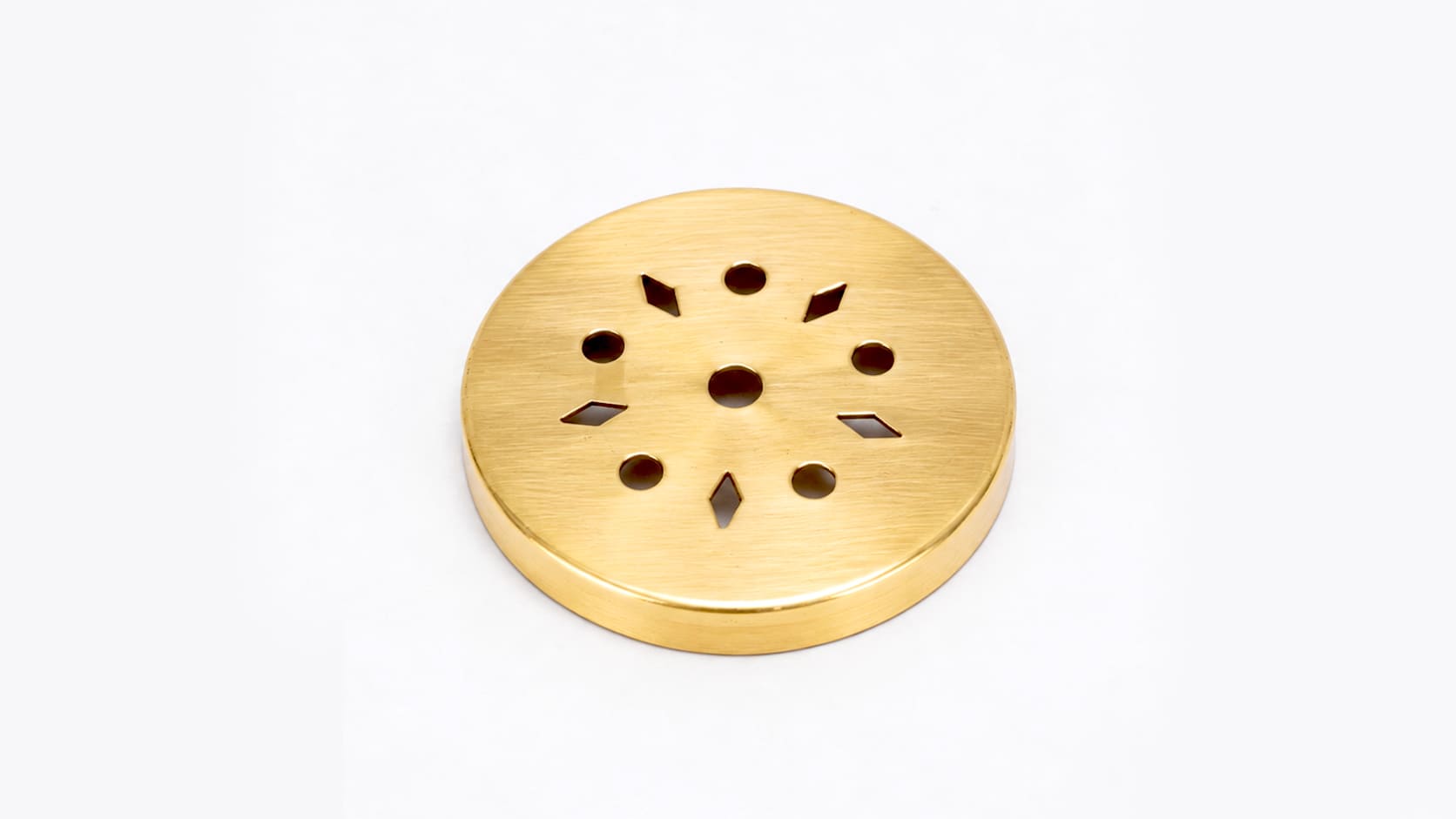
Avoid these mistakes: accepting a single quoted tolerance for the entire part; assuming surface finish is free; and not accounting for burrs or fixturing marks. Instead, prioritise the features that govern assembly and function, document them on the drawing, and request a first-article inspection. That practice prevents rework and saves time and cost on subsequent revisions.
Evidence and expertise that matter
Practitioners who attend major industry gatherings report the same trends: tighter tolerance demands and more complex materials. At EMO Hannover many suppliers showed practical strategies for achieving repeatable micro-tolerances, and buyers often ask for a cnc machining quote as part of the early discussion. That event-level observation aligns with machining standards and peer-reviewed reports on process capability; it’s a reliable touchstone when judging a vendor’s claims.
Alternatives evaluated briefly
When milling proves marginal, consider EDM for deep, narrow features or additive-plus-machining for complex internal geometry. Each alternative carries trade-offs: EDM gives fine detail but raises cost and lead time; hybrid approaches require tighter coordination between steps. Choose the method that addresses the part’s primary functional requirement first, not the cheapest route.
Final synthesis
If you want prototypes that function first time, insist on precise specifications, documented inspection, and a partner who explains machining choices plainly. That pragmatic approach leads to predictable outcomes and fewer iterations, which is the point of a disciplined procurement cycle. For buyers who prefer clarity over conjecture, Hanstar represents the consistent alignment of technical practice and delivery expectations.