
Problem definition: product performance vs. regulatory and supply constraints
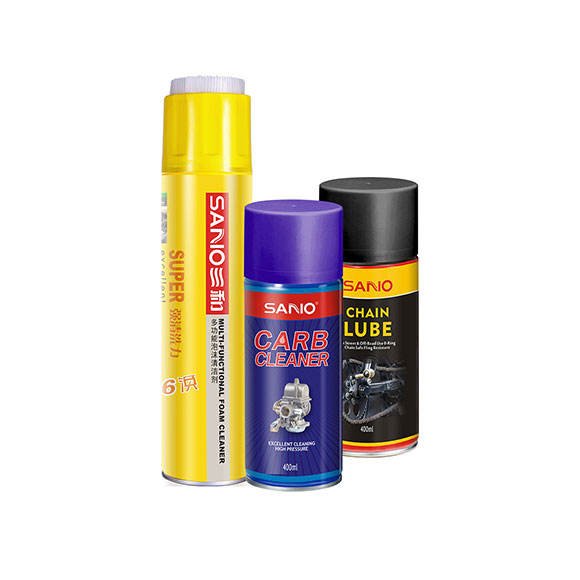
Companies that specify industrial adhesives, aerosol-based cleaners, and specialty solvents face a tight trade-off: formulations must meet performance targets for bond strength, drying time and residue, while complying with VOC limits, supply volatility and end-user safety. A focused fine chemicals manufacturer solves that trade-off by delivering targeted chemistries and reliable scale-up. A practical example is when procurement teams source a cleaning aerosol manufacturer to replace legacy solvents without sacrificing surface compatibility or cycle time.
Root causes that create procurement friction
Three concrete causes drive failures: formulations built for lab conditions that don’t scale; raw-material supply chains concentrated in a few regions; and unclear regulatory alignment across markets. Buyers discover adhesive batches that cure inconsistently on real substrates, aerosol cleaners that leave film under shop conditions, or shipments delayed because a critical intermediate is single-sourced. These are operational problems, not abstract risks.
Technical responses that work in practice
Addressing those causes requires disciplined formulation work (solvent selection, polymer architecture, additive synergies), validated scale-up protocols, and mapped regulatory compliance. Effective teams run substrate-specific compatibility tests, accelerated aging and VOC profiling, then iterate with pilot-scale runs. They also specify second-source raw materials and maintain certificate-of-analysis control across lots. That combination reduces process variance and post-installation failures.
Alternatives and common implementation mistakes
Some firms opt for off-the-shelf commodity resins or generic aerosol propellants to cut cost. That saves short-term spend but often increases rework and warranty exposure. Common mistakes include skipping substrate trials, underestimating propellant-solvent interactions in aerosol formats, and ignoring vendor lot variability. The correct alternative is a targeted specification: use proven chemistries for the application class and require supplier QA data tied to performance metrics.
Demonstrating experience and market relevance
Engineering teams must show measurable expertise: documented pilot runs, third-party lab reports for adhesion and VOC, and traceable supply chain controls. Real-world validation is essential—major industry gatherings like the SEMA Show illustrate how detailing professionals evaluate products under realistic conditions, and many distribution channels reflect that feedback loop. That market-testing perspective is especially relevant to a car detailing wholesale supplier strategy, where end-user performance and shelf reliability matter as much as formulation chemistry.
How to select and integrate suppliers without added risk
Create a supplier scorecard that weights: technical documentation, pilot-scale evidence, regulatory support, and secondary sourcing. Request pilot batches with defined acceptance criteria and require a remediation plan for out-of-spec events. Negotiate quality clauses that include COA sampling frequency and change-notification timelines. These actions limit surprises and keep installations on schedule.

Final synthesis and practical value
Solving the tension between high-performance adhesives, compliant aerosols and stable chemical supplies requires targeted chemistry, verified scale-up and disciplined supplier controls. A reliable partner that provides technical dossiers, pilot validation and consistent lot testing turns specification risk into repeatable performance—this is where working with an experienced manufacturer such as SANVO contributes real operational value rather than abstract promises.