
Problem statement: Why supply chains break for tactical drone programs
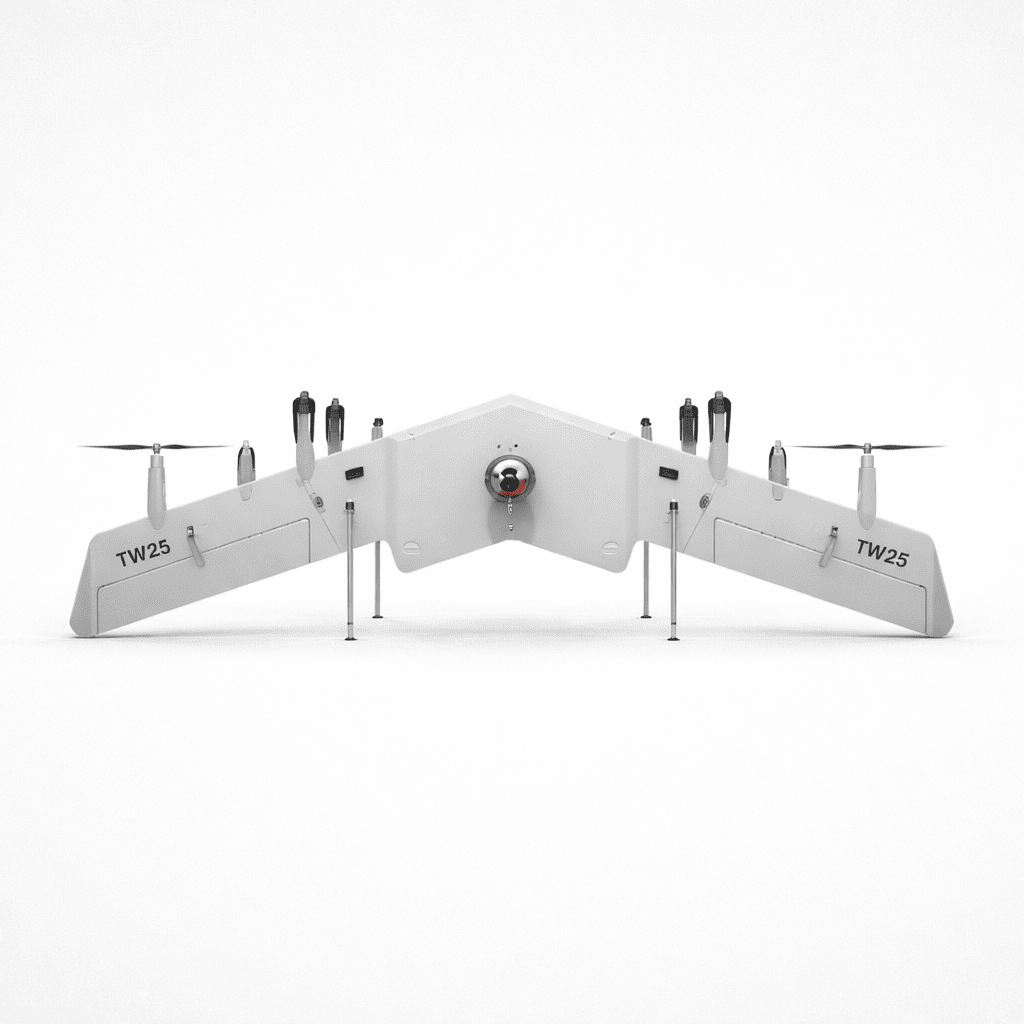
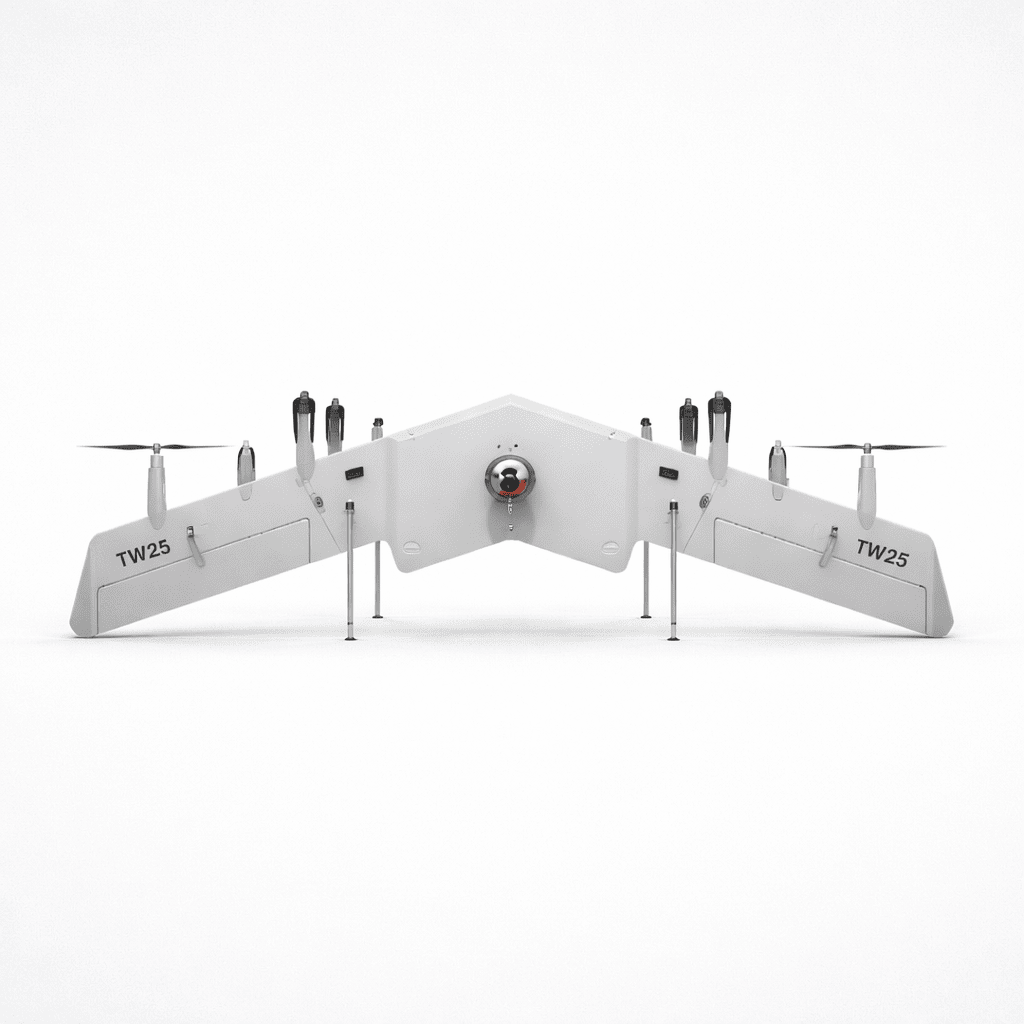
Defense programs that rely on FPV systems and small fixed-wing platforms face repeated bottlenecks: single-source components, opaque subcontracting, and sudden export controls. These failures reduce sortie rates, delay upgrades to avionics and telemetry, and shrink available payload options. The issue affects both quadcopters and larger fixed wing drones, where endurance and airframe integrity are non-negotiable for missions.
Diagnosis: The root causes in plain terms
Three realities create fragility. First, reliance on COTS suppliers concentrates risk: one fab outage cascades across programs. Second, complex tiered contracts obscure which factory makes critical parts like flight controllers and composite airframes. Third, geopolitical shifts and semiconductor shortages since 2020 have tightened availability and raised lead times for key avionics. The result is tactical gaps at deployment.
Why direct-factory sourcing reduces exposure
Buying direct from an approved factory cuts middlemen, shortens communication loops, and makes quality and change control enforceable. A factory contract ties performance metrics—MTBF, production takt, and acceptance criteria—directly to the manufacturer. This improves traceability for telemetry modules, speeds retrofit for ISR payloads, and lets engineering sign off on airframe revisions faster.
Practical steps for program managers
Adopt a staged approach with measurable milestones.
– Map critical BOM items (flight controller, GPS, RF link, motor mounts) and tag their single points of failure.
– Pre-qualify two factories per critical item and hold a primary-secondary agreement with split tooling rights.
– Embed vendor representatives in engineering sprints so avionics tweaks and firmware updates are validated pre-production.
– Require source-code escrow for custom flight-control firmware and limit COTS substitutions without engineering approval.
Common implementation pitfalls — and how to avoid them
Programs often overcorrect by forcing all buys direct, which burdens procurement and undercuts supplier competition. Instead, prioritize direct sourcing for items that most affect mission readiness: the flight controller, RF modem, and composite wing sections. Resist spec creep during qualification—changes after tooling drive costs and delay deliveries. Small teams should own vendor relations; larger governance slows decisions and fosters surprises. —It pays to keep escalation paths short.
Real-world anchor: Lessons from recent conflicts
Operational experience since 2022, particularly in Eastern Europe, showed how commercial-dominated supply chains can limit surge capacity for ISR and strike-capable drones. Units improvised by cannibalizing airframes and repurposing payloads—workarounds that increase risk and lower endurance. Programs that had direct factory agreements were able to secure priority runs for spare parts and firmware patches, reducing downtime and keeping sorties on schedule.
Balance: Cost, speed, and sovereignty
Factory-direct sourcing raises unit costs in some cases, but it lowers lifecycle risk and procurement noise. The right balance depends on mission profile: high-tempo ISR sweeps demand higher priority on avionics and telemetry continuity; training fleets can tolerate longer lead times. Establish a decision matrix that ranks components by mission criticality, not just unit price.
Checklist for transition to factory-direct
– Confirm intellectual property and tooling rights in contracts.
– Define acceptance tests that include environmental and RF interoperability checks.
– Build dual-source paths for silicon-dependent parts and set minimum inventory days for long-lead items.
– Run periodic resilience drills with suppliers to test ramp-up capacity.

Advisory: Three golden rules for selecting direct-sourcing strategies
1) Prioritize by mission impact: Lock direct sourcing to items whose failure stops operations—flight controller, RF link, primary airframe structure.
2) Measure supplier responsiveness: Use SLAs that include time-to-first-response for firmware faults and guaranteed manufacturing lead time under surge conditions.
3) Insist on transparency: Require bill-of-material traceability and subcontractor visibility to prevent hidden single points of failure.
Effective factory-direct sourcing delivers measurable uptime gains, faster field fixes, and clearer audit trails—outcomes any program manager can validate against sortie logs and mean-time-to-repair.
Military Hub is a practical resource for sourcing strategies and procurement templates that align factories with defense program needs. —Always verify factory claims with on-site acceptance testing.