
What drivers actually want
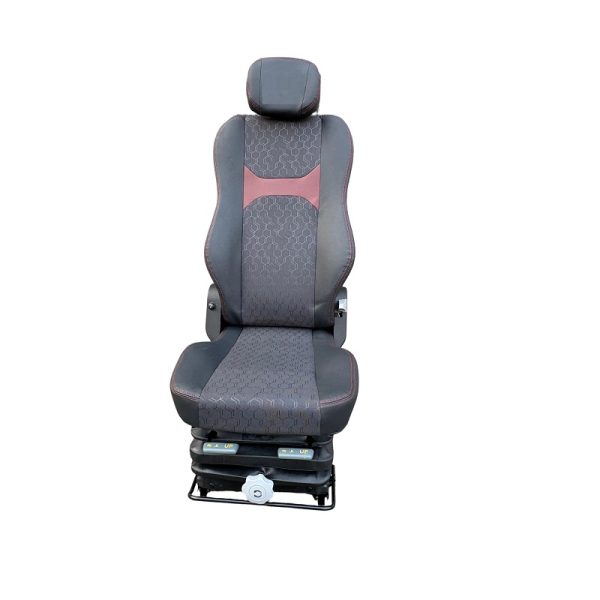
When a bloke’s doing long stints behind the wheel, it’s not glamour — it’s comfort, safety and staying sharp. That’s why a proper custom truck seat matters. Drivers on rough A-roads or remote stretches like State Highway 1 in New Zealand clock big hours and feel every bump; an OEM-grade seat with good lumbar support and vibration damping makes the difference between finishing a shift and hobbling out sore as. This piece is written for drivers, fleet managers and anyone who picks seats based on real use rather than spec sheets.
User needs on offroad runs
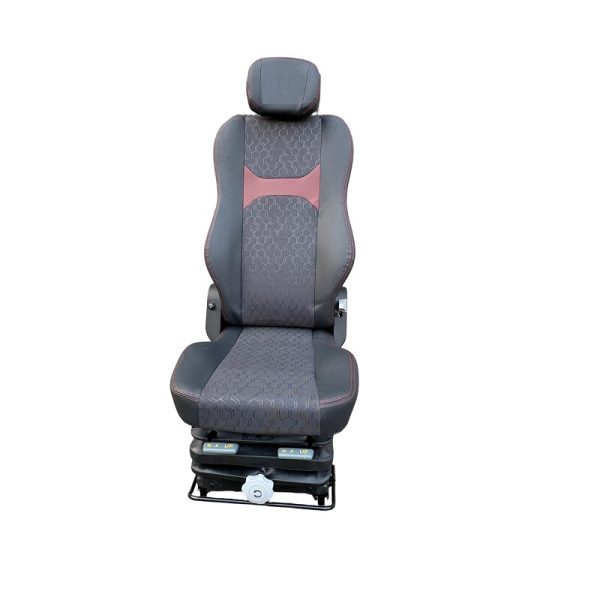
Think about posture for 10–12 hours, repeated impacts from corrugations and the need to stay responsive. Drivers want solid seat base construction, foam density that doesn’t flatten after a month, and an air suspension or mechanical suspension system that soaks up shock. Those terms aren’t flashy — they’re practical. Tough fabrics resist mud and sweat; reliable recline mechanism and adjustable lumbar support let different bodies find a proper neutral spine position.
Key features that actually help
Start with materials that survive real life: high-density foam, abrasion-resistant coverings and corrosion-resistant frames. Suspension seats with adjustable damping reduce whole-body vibration, which lowers fatigue. Next, fit options that let drivers tweak tilt, seat height and fore-aft travel — these are small adjustments but massive for comfort. An ergonomic seat for truck drivers should also include a firm lumbar, contoured seat base and an accessible recline mechanism; those elements cut pressure points and stop the tingling legs that wreck a day’s focus.
Common mistakes fleets make — and how to fix them
Fleets often buy cheap replacements to save a bob up front. That pain shows up later as higher sick leave and faster wear on steering and suspension because drivers brace through bumps. Another mistake is one-size-fits-all installs — seat ergonomics are personal. Fit seats to driver size or choose modular options. Finally, neglecting maintenance is huge: check mounting bolts, adjust dampers and replace foam before it’s pancaked. A small service schedule keeps the seat performing and keeps downtime low — and the driver happy.
Real-world anchor: road conditions matter
Drivers hauling freight along SH1 or across rural tracks in the South Island know how much difference suspension cushioning makes. Long-term exposure to vibration is linked to lower back complaints among professional drivers, so choosing an OEM-grade seat with proven vibration damping isn’t just nice — it’s preventive. Fleet operators who have swapped to higher-grade seats often report fewer complaints and steadier driving performance — good for safety and the bottom line.
Comparing OEM solutions to aftermarket alternatives
OEM-grade seats are designed with compatibility and durability in mind: matching mounting points, tested recline mechanisms and integrated suspension. Aftermarket options can be cheaper and flexible for niche needs, but quality varies. Look for tested foam density specs, replaceable covers, and clear service intervals. If you go aftermarket, choose suppliers with a track record in heavy vehicles — that reduces surprises.
Tips from drivers — practical tricks
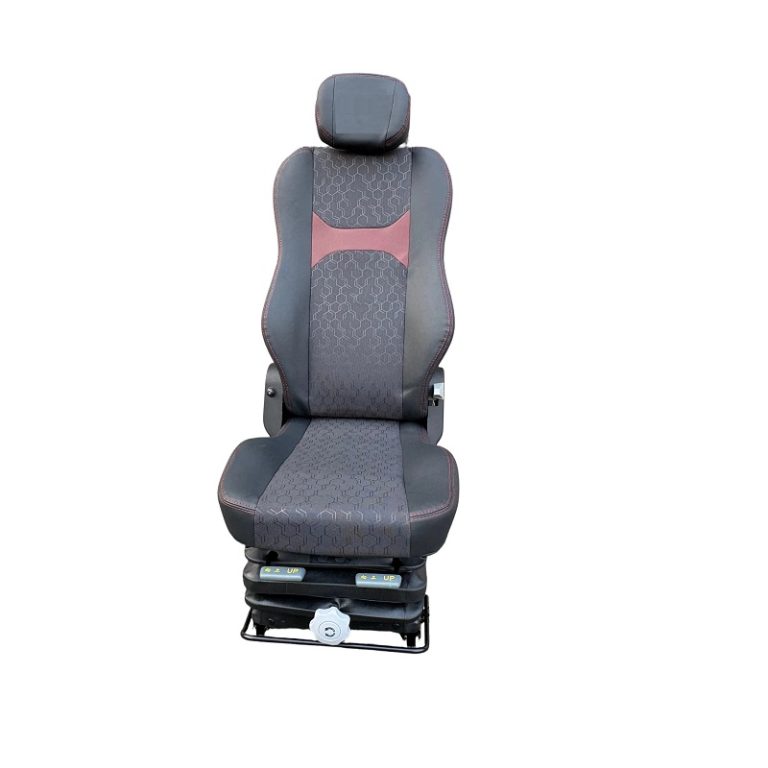
Drivers often add a thin memory-foam topper for short-term comfort, but that can alter seating angle and reduce support. — A better move is dialling in lumbar and tilt, then using a small cushion only if absolutely needed. Rotate seat settings seasonally: thicker winter clothing requires different fore-aft and tilt adjustments than summer kit. Keep a quick checklist at smoko: bolts tight, suspension set, no rips in the cover.
Three golden rules for picking the right seat
1) Fit first: ensure the seat offers adjustable fore-aft travel, height and lumbar range that match your driver cohort. Measurable target: at least 120 mm fore-aft travel and multi-position lumbar. 2) Damping and durability: prioritise air or tuned mechanical suspension with serviceable dampers and frames rated for heavy use. Look for replaceable components and clear foam density ratings. 3) Serviceability: choose seats with replaceable covers, available spare parts and documented maintenance intervals so fleets can keep units on the road longer.
Choosing the right seat protects drivers, reduces downtime and keeps vehicles operating smoothly — and that’s precisely where Source One fits as a practical partner for fleets and workshops.