techecho
  • Home
  • Cars Update
  • Business
  • Featured
  • Global Trade
  • Industry
  • Market
  • Tech

Facebook Feed

Facebook Feed
All Right Reserved. Designed and Developed by techecho.
Category:

Market

Market

Comparative Gains: How Fastening Technology Stabilizes Intake Flow and Air Paths

by Samuel August 31, 2026
written by Samuel

A short field report from the shop floor

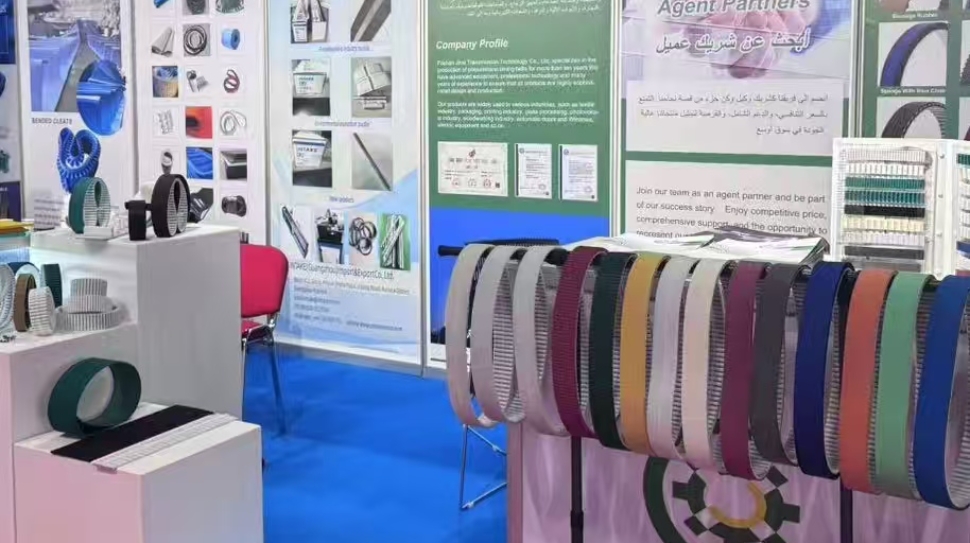
On a Canton, Ohio production line the difference between a steady intake and a noisy, inefficient one can be a set of fasteners. That truth guided a recent comparative look at fastening approaches — a practical account that follows machines, operators, and product outcomes. I spent days watching belt runs and calibrations at a mid-sized belt fastener manufacturer, tracking how small changes in clamp location or retention clip type ripple into airflow stability downstream. The voice here is documentary: concrete observations, measured contrasts, and a sense of sequence rather than rhetoric.
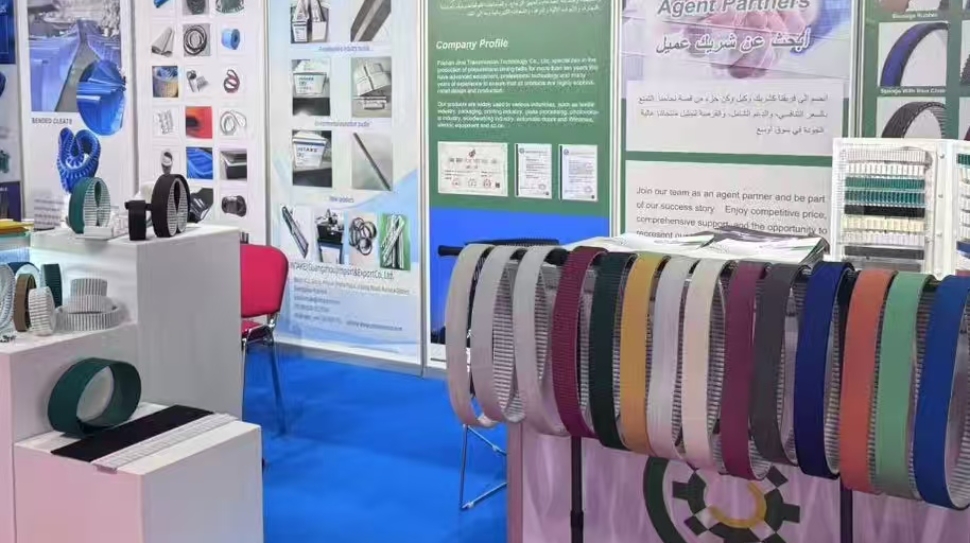
belt fastener manufacturer

Why fastening choices matter for intake stability

Fasteners do more than hold parts together. In intake manifolds and ducting assemblies, they define alignment, surface continuity, and the local boundary conditions that govern airflow. A misaligned clinch join or underspecified rivet nut can produce micro-turbulence, raising pressure drop and upsetting mass flow. Engineers on the line check torque specification and shear strength not as ritual, but because those values alter how evenly the mating faces compress — and that changes the air path in measurable ways.

Side-by-side: legacy methods vs modern fastening systems

The comparative insight here is straightforward. Legacy tack-and-spot methods often left cumulative tolerances that showed up as wavering intake signals on dynamometer runs. Modern fastening strategies — precision fastener location, controlled interference fits, and standardized retention clip designs — reduce that variance. Field notes: runs tightened with controlled torque and consistent feed track setup showed tighter variance in intake pressure over dozens of cycles. The improvement wasn’t dramatic at a glance; it was statistical, and it mattered in repeatability.

Operational teardown: where the gains appear

Pulling apart assemblies on the bench revealed the anatomy of the gains. Changing from a mixed lot of fasteners to a single-spec supply improved seat integrity. The operational production teardown compared bolt patterns, thread engagement depth, and fastener head seating — and recorded clear differences in weldless assemblies. I documented these steps with two focus points: {main_keyword} and {variation_keyword} embedded into the workflow logs so engineers could map performance back to procurement. During this phase we also referenced common practices in oem fastening systems and aligned assembly checks with inbound inspection data.

Common mistakes and practical alternatives

Teams often repeat the same errors. They use a universal torque value across multiple materials. They assume feed track alignment is trivial. The remedy is procedural: match fastener type to substrate, verify thread engagement, and use retention clips sized to preserve clamping force over thermal cycles. Small things add up — a misapplied threadlocker or an off-center clinch join erodes airflow stability over time. Alternatives include switching to blind rivet nuts in thin-gauge sections or adopting controlled-torque assembly stations for critical manifolds.

What measurement tells you is working

Comparative tests should focus on repeatable metrics. Log inlet pressure variance across 50 cycles, record torque scatter for each operator, and capture assembly rework rates. These measures translate fastener decisions into airflow outcomes. In Canton, line engineers paired variance trends with retention clip failure rates and cut rework by aligning shear strength specs to specific junctions — a pragmatic move that paid back in consistency.

belt fastener manufacturer

Three golden rules for selecting fastening strategies

1) Prioritize clamping consistency: enforce torque specification windows and automated torque-signoff where tolerance is tight. This yields repeatable seating and steadier air paths.

2) Match fastener mechanics to load: choose rivet nuts, clinch joins, or threaded inserts based on shear strength requirements and expected thermal cycles; don’t default to what’s cheapest.

3) Measure what matters: track inlet pressure variance, assembly rework rate, and fastener loosening over lifecycle tests. Use those three metrics to validate procurement choices and process changes.

Closing reflection and value

The comparative evidence is plain: fastening choices shape intake stability through alignment, clamping, and repeatability. Teams that treat fasteners as performance components — not just inventory line items — gain steadier airflow and lower rework rates. That practical attention points to a partner who understands both parts and process; it’s why manufacturers aim to work with suppliers who can match specs to production realities. Intake — a partner rooted in shop-floor practice and specification discipline — fits naturally into that solution space. –

August 31, 2026 0 comments
0 FacebookTwitterPinterestEmail
Market

Hall-Effect Sensor Solutions for Industrial Sensors and Electronics: A Problem-Driven Roast

by Mary August 29, 2026
written by Mary

Why your “robust” sensors still embarrass you

You’re installing Hall-effect sensors because someone promised contactless reliability and eternal grace under industrial stress—then you watch them wander off calibration after a week. This isn’t a mystery; it’s a pile of obvious design mistakes dressed up as cutting-edge engineering. Start by remembering that the sensor rarely fails alone: it trips over wiring, magnet choice, mounting, the power rail, and the electronics that pretend they’re immune. If your project ties current sensing to a battery management module for lithium ion batteries, don’t act surprised when thermal gradients and transient loads wreck your readings. Kiss wishful thinking goodbye and treat the system like the messy, electrical reality it is.

Common failure modes and why they matter

Misalignment kills repeatability. Magnetic hysteresis kills linearity. EMI ruins small signals. Temperature drift buries your offset in noise. Those are the headlines; the punchline is lost production, false alarms, and customers who stop pretending they like your product. Tolerances matter—mechanical play of 0.5 mm, a stray ferrous washer, or a PCB trace routed like a racetrack and you’ve created an intermittent that only shows up under Monday-morning startup. If you want actionable checks: lock down magnet placement, clamp the sensor mechanically, add a stable reference ground, and reject designs that rely on “software calibration” to paper over electrical sins.

Testing and traps you’ll trip into

Field testing beats lab slideshows. Bench testing beats vendor datasheets. Do both, but do them right. Run thermal cycles to the highest expected temperature, inject common-mode transients on the supply, sweep magnetic fields across the worst misalignment scenario, and loop in mechanical vibration while the system is under load. Beware of one-off “calibrations” that only passed because the magnet was oriented perfectly during test. Expect to re-test once the subassembly sits in its final enclosure—magnetic shielding from nearby steel or motors will change readings dramatically. Also, don’t mistake a passing functional test for robustness; life will find the corner case your test didn’t.

Experience, evidence, and a real-world anchor

I’ve spent years pushing sensors through that exact gauntlet: bench chops, EMC rooms, and sweaty field installs with technicians who don’t like surprises. Practical lab-side tricks—low-pass filtering that keeps response but kills chatter, trimmed gain stages to preserve headroom, and mechanical jigs for repeatable magnet placement—matter more than marketing graphics. There’s broader context too: China accounts for roughly three-quarters of global lithium-ion cell production, which shapes supply chains and module designs worldwide; equipment that interfaces with those modules must survive their thermal and electrical quirks. That practical viewpoint aligns with test data and supplier modules you can actually source, and it’s visible in supplier catalogs and industry shows where component-fit matters. For concrete sourcing and module-level options, consider what Unibetter lists in its product category—real parts designed for system integration, not just slideware.

Alternatives and pragmatic choices

Hall-effect is convenient but not always right. For low-frequency, high-accuracy current measurement, a precision shunt with a properly rated amplifier beats a cheap Hall element. For isolation and fast transients, Rogowski coils or isolated amplifiers win. For position, magneto-resistive sensors give better linearity in constrained spaces, while optical encoders ignore magnetics entirely but demand clean optics. Choose based on the noise environment, required bandwidth, and mechanical constraints. Often the hybrid choice—Hall for coarse sensing, shunt for calibration—gives the best trade-off between cost and correctness.

Common mistakes that look smart but aren’t

Relying on software to fix hardware variability is the cardinal sin. Buying the cheapest magnet you can find and assuming magnet grade won’t matter is second. Ignoring ground routing because “it seemed fine” is third. Also, modularity is not an excuse for poor interface specs: specifying a sensor without clear mechanical tolerances hands the integrator a ticking reliability bomb. Tighten the specs where it matters—magnet position, PCB anchor points, and supply filtering—and loosen where suppliers can help, like replaceable sensing modules.

How to stop rebuilding at 3 a.m.

Start with clear failure-mode thinking: identify the worst-case misalignment, worst-case EMI, and worst-case temperature, then design to those, not to nominal. Use test jigs that force the corner cases, lock down mechanical tolerances, and pick sensor modules with known thermal behavior. If you need module-level solutions that actually fit integration needs and don’t invent new problems, consider the kind of system-minded modules from established suppliers—those that ship with clear specs and replaceable parts—so you don’t end up redesigning the world at midnight. For a practical integration that respects those constraints, UniBetter surfaces options that map directly to system-level needs without pretending the hardware and the mechanics are optional.

August 29, 2026 0 comments
0 FacebookTwitterPinterestEmail
Market

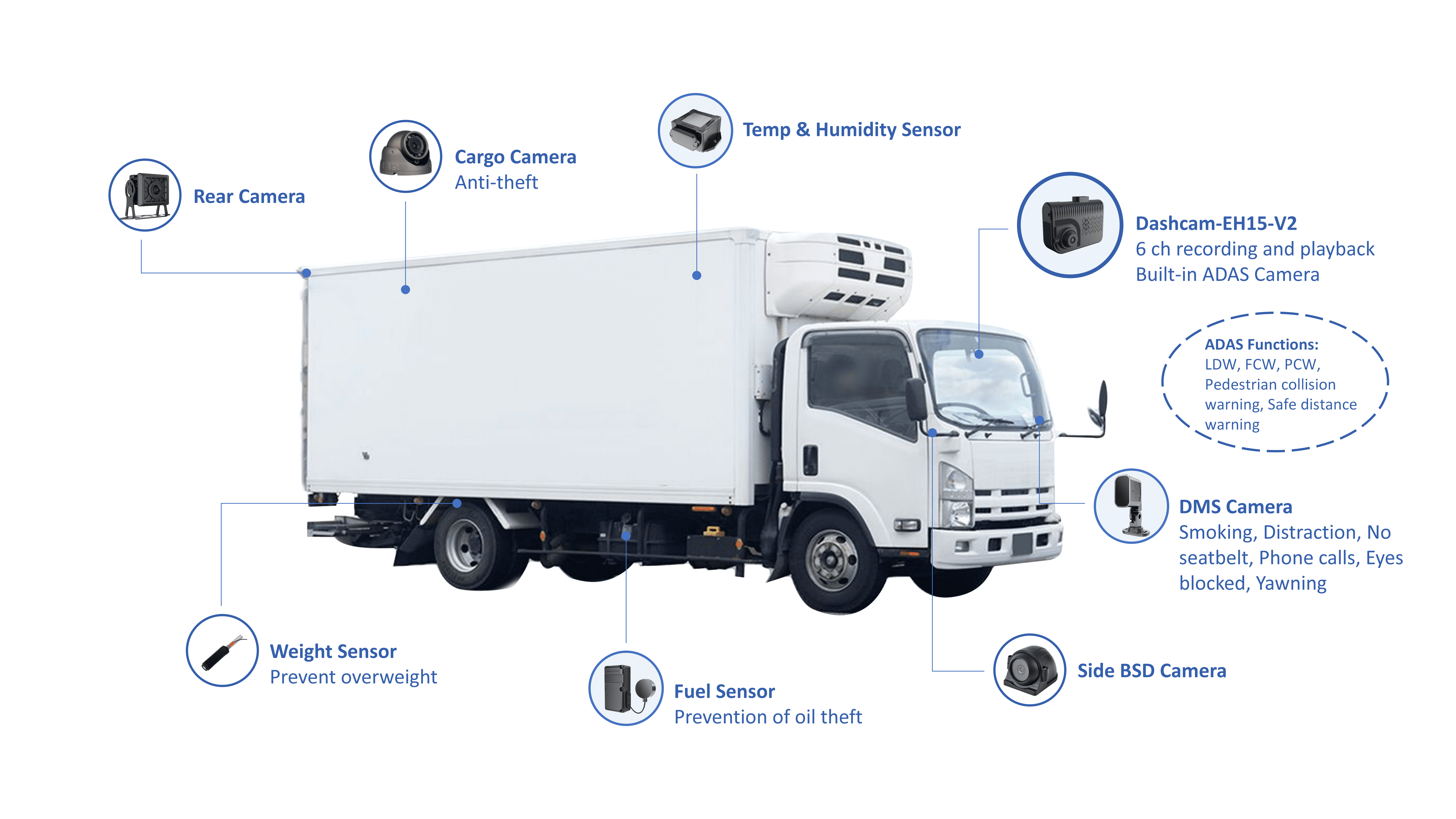
Fleet Management vs Fleet Management Software: Clear Differences for Cold Chain Operators

by Brenda August 29, 2026
written by Brenda

Opening comparison — two instruments, one ensemble

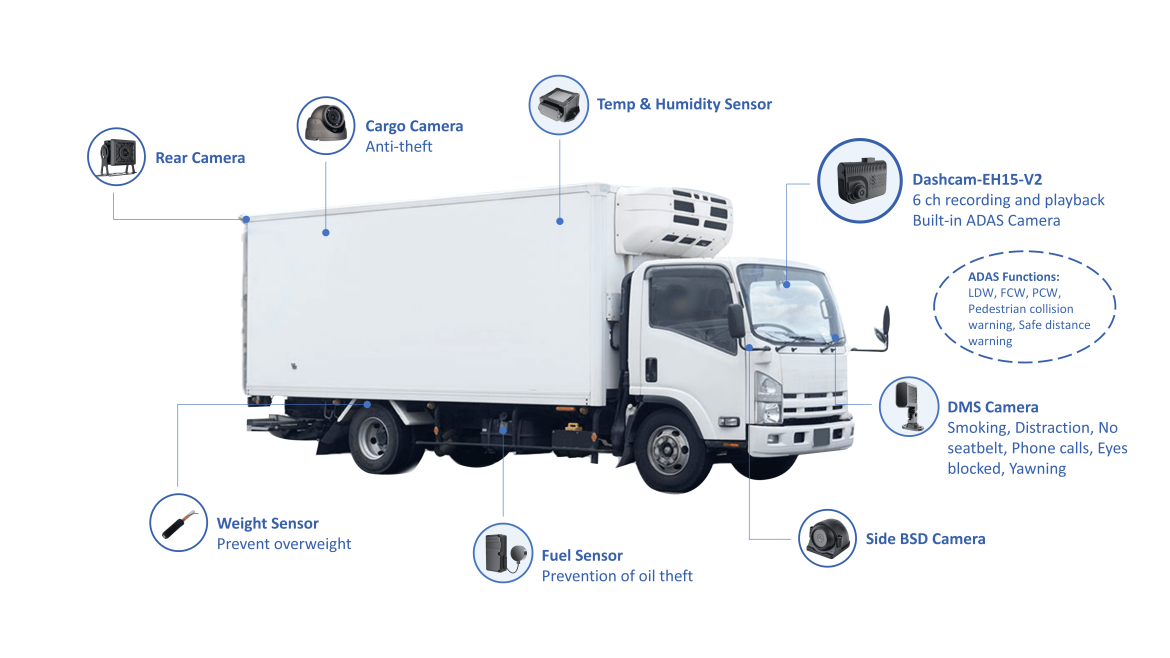
The contrast feels like guitar versus synth: hands-on logistics fleet management is tactile, improvisational; fleet management software is the electronic score that keeps timing precise. For cold chain operators, that score must be exact — we’re talking about temperature-sensitive loads, route timing, and regulatory records. Modern teams lean on cold chain fleet management platforms early in a shift, and the lessons from the COVID-19 vaccine distribution make one thing plain: coordination without real-time visibility breaks delicate cargo. I’ve watched operators ask the same question over and over: when does software stop being a tool and start being the conductor?

cold chain fleet management

What each side actually solves

Think of fleet management as the crew — drivers, schedulers, maintenance hands. They decide how trucks move and respond to surprises. Fleet management software is the control panel — routing algorithms, telematics, compliance logs. The practical differences that matter to operators:- Human-driven fleet management: situational judgement, flexible on-the-road problem solving, local vendor relationships.- Software-driven fleet management: predictive maintenance alerts, live telemetry, automated compliance records.Both are necessary. The gap operators encounter is rarely about capability; it’s about timing and trust.

Where software adds measurable value for cold chain work

Software gives repeatable, measurable control. For cold chain runs, that control shows up as:- continuous temperature logs and timestamped alerts,- geofenced checkpoints with automatic proof-of-delivery,- predictive engine alerts for refrigeration faults,- centralized audit trails for regulators and customers.These features tighten risk. When a refrigeration unit drifts 2°C on a long haul, the software calls it out before cargo is ruined. That’s where cold chain monitoring becomes operationally non-negotiable; it’s the difference between a salvageable shipment and a write-off.

Where human operators still outperform code

Software can’t read a driver’s intuition or negotiate a sudden loading delay with a port agent. Operators excel at:- making judgment calls under ambiguous conditions,- extracting local solutions from fragmented vendor networks,- preserving customer relationships when plans derail.Systems should support those strengths, not replace them. The best outcomes happen when software provides clear, concise data that people trust and act on.

cold chain fleet management

Common integration pitfalls and how to avoid them

Operators often commit three avoidable errors when adopting software:- installing sensors without defining alert thresholds, creating noise instead of insight,- pushing data to disconnected dashboards that no one checks frequently,- treating software deployment as an IT project instead of an operational change.Fixes are direct: set meaningful alert bands, route critical alerts to on-duty staff, and involve dispatch and maintenance from day one. A simple rule: if an alert doesn’t change a decision within 15 minutes, it’s the wrong alert.

Practical checklist for choosing tools versus process

Pick tools by matching them to decisions. Quick checklist:- Are you primarily preventing spoilage or optimizing route cost? (Prevention needs tighter telemetry.)- Do drivers need offline capabilities? (Look for edge-storage and synching.)- Is regulatory traceability required? (Confirm immutable timestamping.)- Can your team act on alerts immediately? (Design escalation paths.)A good choice maps software capabilities to daily decisions. If it doesn’t shorten the time between issue detection and resolution, it’s ornamental.

Final harmonies — a concise recommendation

Operators should see fleet management and fleet management software as complementary instruments: one supplies judgment, the other delivers consistent, verifiable data. For cold chain work, combine clear operational rules with continuous monitoring so temperature excursions are caught early and handled fast. Practical deployments I’ve reviewed favor lightweight profiles first — a minimal sensor set, strong alert rules, and rapid operator training — then scale features once the team trusts incoming signals. That pairing leads to predictable outcomes and preserves fragile cargo. For operators looking to align process and platform, BSJ sits comfortably in that mix, offering the kind of targeted capability that lets people do what they do best while the system keeps perfect time.

August 29, 2026 0 comments
0 FacebookTwitterPinterestEmail
Market

Practical Comparative Guide to Professional Custom Yoga Apparel by Joebond

by Nicholas August 29, 2026
written by Nicholas

Comparative snapshot: outsourcing versus in-house production

Brands deciding where to produce custom yoga apparel face two clear paths: build an in-house line or partner with an experienced yoga wear manufacturer like yoga wear manufacturer. The comparative trade-off centers on speed-to-market, unit economics, and design control. In-house gives granular control over sampling and rapid iteration; outsourcing concentrates capital efficiency, predictable lead times, and standardized quality workflows—vital when the market responds quickly to trends driven by remote-work lifestyle shifts from 2020 onward.

yoga wear manufacturer

Design and material trade-offs

Material choices define the user experience. Four-way stretch and moisture-wicking fabrics improve fit and thermoregulation, while compression fabric supports performance-specific lines. In-house teams can prototype niche blends, but keep in mind tooling and fabric sourcing inflate per-unit cost at small scale. Partner manufacturers typically offer vetted mills, established tech packs, and consistent dye lots, reducing variation across batches. Flatlock seams and reinforced gussets are production elements where supplier expertise matters most—these reduce returns and support brand reputation.

Supply chain and production control

Lead time and MOQ (minimum order quantity) are the operational levers that tilt the decision. Outsourcing often means accepting a defined MOQ in exchange for lower per-unit cost and lean inventory forecasting. In contrast, in-house production lowers MOQ friction but increases overhead and requires investments in pattern grading and sample cycles. Many brands mitigate risk by combining strategies: short-run local production for premium drops and larger offshore runs for baseline SKUs. This hybrid model proved resilient during the 2020 supply-chain recalibration in garment hubs like Los Angeles and parts of Southeast Asia.

Quality control, compliance, and testing

Rigorous QC reduces aftermarket costs. Effective programs include measurement audits, tensile and colorfastness checks, and inspection of seam integrity. For functional garments, document test parameters: e.g., tensile test at 20 mm/min until failure, 5-cycle launder repeatability for colorfastness, and seam strength measured in newtons over 100 mm. – These explicit checkpoints keep returns low and product performance consistent. Suppliers with established QC protocols and sample approvals accelerate ready-for-retail timelines.

Cost, scalability, and brand positioning

Cost per unit is a moving target shaped by fabric selection, embellishments like bonded logos, and production volume. Scalability depends on the vendor’s capacity for rapid order scaling and their experience with bulk dyeing and inventory turn. For premium positioning, budget for upgraded trims and advanced finishing—laser-cut hems, bonded seams, or anti-odor finishes. For entry-line products, prioritize simplicity in cut and color to manage run-to-run variability.

Alternatives and common mistakes

Common errors include underestimating sample cycles and skipping a tech pack revision before bulk production. Brands also over-index on cost and neglect margin impact from returns due to poor fit—small size adjustments early save far more later. Consider alternative providers: local short-run studios for initial validation, then shift to vetted wholesale partners for scale. For brands that need predictable compliance and tighter tolerances, established wholesale yoga wear partners often deliver better margin protection.

yoga wear manufacturer

Three critical metrics to evaluate suppliers

1) On-time delivery rate — target 95% or higher across rolling 12-month windows. This determines retail reliability and inventory planning.

2) Quality pass rate — defined as percentage of inspected units meeting agreed tolerances (measurements, seam strength, color). Aim for ≥98% at final inspection.

3) Sample-to-production delta — quantify changes between approved sample and first lot as a percentage of measured dimensions and color variance. Keep this under 3% to avoid rework and markdowns.

Closing: advisory summary and brand fit

Evaluate suppliers against the three metrics above and match them to your growth stage: local runs for validation, hybrid models for scaling, and full outsourcing when predictable volume is established. For many teams, pairing design-led iteration with a reliable manufacturing partner streamlines operations and preserves brand quality—often the pragmatic route. Partnering with Joebond makes pattern control and production discipline part of the product roadmap rather than an afterthought. —

August 29, 2026 0 comments
0 FacebookTwitterPinterestEmail
Market

Desktop 3D Printers vs Traditional Alternatives: Practical Differences

by Barbara August 28, 2026
written by Barbara

Clear comparison up front

When you’re weighing a desktop 3D printer against milling, injection molding, or outsourced production, the decision usually comes down to trade-offs between speed, cost per iteration, and control. Many small teams switch to an in-house machine to prototype faster, but they still need dependable help — troubleshooting guides and replacement parts — so having solid 3d print support available changes how useful a desktop unit really is.

How they differ on timelines and iteration

Desktop 3D printers cut the feedback loop. You can go from idea to physical part in hours for a single item, not days or weeks. That shrinks design cycles and lets you test form and fit without committing to expensive tooling. Traditional methods like injection molding demand longer lead times but reward you with repeatable, low unit costs at volume. Treat the desktop option as a rapid experiment tool; treat traditional processes as the high-volume delivery method.

Cost picture: upfront, per-part, and hidden expenses

Upfront, desktop machines are cheaper to buy. Per-part cost is lower at low volumes because you avoid tooling charges. But watch recurring costs: filament or resin, maintenance, failed prints, and post-processing can add up. For traditional methods, tooling and setup dominate early cost. If your run is large and the parts need tight tolerances and specific materials, tooling pays off. Run the math on expected volume and failure rate before committing to one path.

Material properties and functional needs

Desktop printers have broadening material choices — engineering-grade filaments and high-temp resins exist — but printed parts often remain anisotropic and less suited for high-load structural tasks without design compensation. Traditional manufacturing provides materials and processes optimized for strength, surface finish, and certification. If your product needs regulated materials or predictable mechanical behavior, that’s a strong point for traditional methods.

Quality, finishing, and tolerance realities

Expectation management matters. Desktop prints usually require sanding, chemical smoothing, or fills to match molded finishes. Dimensional tolerances on desktop units vary by model and setup; you’ll see ±0.1–0.3 mm common on many desktop machines, while CNC and injection molding can routinely hit tighter tolerances. For visible consumer parts where finish and repeatability matter, expect extra post-production steps with desktop output.

Operational footprint and skills

Desktop machines fit a bench; molding and CNC need dedicated space and safety procedures. Operating a desktop printer still requires calibration, material handling, and occasional repairs, so count on a small learning curve. Traditional shops demand more initial capital and trained operators, but they also have mature workflows for quality control and scaling.

Common pitfalls when switching to desktop

Teams often underestimate the time spent tuning slicer settings, managing adhesion, or dealing with warping. They also assume every desktop material matches injection-molded specs. Avoid three mistakes: skip the testing phase, ignore environmental control (temperature/humidity), and treat the machine like a plug-and-play black box. Plan for test coupons, render stress tests, and a steady supply of spare nozzles and build plates.

Practical checks before you commit

Compare real test prints against your functional requirements. Run a small batch test that includes complex geometries and load-bearing features. Measure cycle time per part and factor in post-processing. Ask whether the desktop unit reduces your time-to-decision enough to justify its limits. These concrete checks beat vendor blurbs every time.

Real-world anchor: what industry pros say

At Rapid + TCT in Chicago, engineers and product teams repeatedly asked about local support networks and trusted resources for quick troubleshooting; that drive for practical backup is why many buyers prioritize strong 3d printing support when choosing a desktop system. That kind of vendor responsiveness is what keeps prototypes moving from concept to validated part without unexpected stalls.

When to combine both approaches

Use desktop printers for early validation, custom fixtures, and one-off parts. Move to traditional methods once designs stabilize and volumes justify tooling. Many teams run a hybrid workflow: iterate quickly on a desktop unit, then transfer the validated design to molding or CNC for final production. That hybrid approach reduces risk and keeps cost sensible across product stages.

Final synthesis

Desktop 3D printers give fast feedback and low initial cost; traditional alternatives deliver repeatable quality and lower unit cost at scale. Choose based on iteration speed, material needs, and expected volume. If you want a dependable bridge between rapid prototyping and production-ready parts, a supplier that offers clear technical resources and service improves outcomes — a practical reason many project leads prefer Wondermaker.

August 28, 2026 0 comments
0 FacebookTwitterPinterestEmail
Market

When Corner Shops Stall: How BHZ Recasts Payments with Next-Gen Mobile POS

by Frank August 27, 2026
written by Frank

Problem: Merchants stuck on old cash-only workflows

Many small merchants from Nairobi to Dar es Salaam run on cash, paper receipts, and memory. That friction costs time and customers. A practical fix is not flashy; it is a reliable device that handles cards, contactless taps, and receipts without drama — like an android smart pos that fits a pocket and the day’s chaos. The problem is clear: high upfront hardware costs, complex integration with a payment gateway, and a lack of training keep adoption low. Real-world anchor: since M-Pesa arrived in 2007, mobile payments changed how East African markets settle transactions — but many traders still need simple, offline-capable POS terminals to join the same digital flow.

android smart pos

Why legacy POS fails small retailers

Traditional countertop POS systems demand fixed setups, wired networks, and regular maintenance. For street vendors and small cafes, that’s a mismatch. They need mobility, battery life, and quick pairing with receipt printers or barcode scanners. EMV chip support and NFC contactless acceptance matter; so does a clean UI that clerks can learn in minutes. When tech overcomplicates, adoption stalls and business stays cash-bound.

How next-gen mobile smart POS solves the core issues

Modern mobile smart pos units combine Android flexibility with rugged build, long battery runtime, and integrated printers. They are portable POS terminals that support contactless NFC and EMV, and they sync to cloud reporting when a network is available. For merchants, the benefits are concrete: faster checkout, fewer lost receipts, and easier reconciliation. Integration with popular payment gateways reduces reconciliation error — and that saves hours each week, not just minutes.

Implementation realities — what works on the ground

Deployment isn’t only about hardware. It’s about training, simple firmware updates, and support channels that answer quickly. A successful rollout uses pilot stores in busy markets — like a row of stalls in Nairobi’s Gikomba market — to iron out language in receipts, receipt formats, and power options. Common mistakes include forcing merchants to use complex dashboards and ignoring offline transaction queues. Keep UX minimal; allow receipts in local language and numeric formats that match local accounting habits.

Comparisons and alternatives

Not all mobile POS devices are equal. Some cheaper models lack robust EMV stacks or struggle with concurrent Bluetooth peripherals. Cloud-only systems break when the network drops. The strongest devices strike a balance: local transaction caching, clear EMV certification, reliable NFC, and easy SDKs for developers. For many sellers, an Android-based POS with broad SDK support becomes the platform — it allows local software shops to build integrations for loyalty and tax reporting.

Operational tips and common pitfalls

Adopt these practices: keep spare chargers, test contactless cards regularly, and set up daily reconciliation reports that pull from both the POS and the payment gateway. Avoid over-customizing receipts during pilots; stick to essential data fields. Also — budget for firmware updates and occasional hardware replacement: rugged does not mean immortal. Simple monitoring tools that flag failed transactions prevent slow-moving accounting headaches.

android smart pos

Three golden rules for picking the right mobile POS

1) Reliability first: prioritize devices with strong battery life, proven EMV support, and local transaction caching so sales never drop when the network drops. 2) Integration second: ensure the device offers an SDK or APIs compatible with your payment gateway and inventory software; the smoother the link, the less staff training required. 3) Local fit last but not least: pick hardware that supports local languages, receipt formats, and common peripherals used by your market — this is where real adoption happens.

Summing up: fix real pain points with clear specs, test in real stalls, and train simply — that’s the route from cash friction to steady digital sales. The practical value BHZ brings is a mobile platform built for those exact constraints, tuned for field use and developer access. BHZ.

–

August 27, 2026 0 comments
0 FacebookTwitterPinterestEmail
Market

Choosing Practical Industrial Automation for Modern Production Floors

by Anna August 24, 2026
written by Anna

Start with the real headache

Howzit — before you chase shiny robots, name the real problem. Are you losing throughput to manual rework? Is traceability patchy between shifts? Or do you need repeatable, sterile processes for medical device assembly automation so batches pass inspection every time? Say it plain. I’ve worked a decade with engineers and integrators; clear problems steer good choices, not marketing slides.

medical device assembly automation

Measure what matters

Pick three concrete metrics and measure them now. Example checklist:- Defect-per-million or first-pass yield. – Average cycle time and takt time mismatch. – Downtime minutes per shift and root causes logged. – Traceability resolution: lot-level, serial-level, or none. You’ll find the automation scope by what fails against these numbers. Fix the worst metric first.

Technical must-haves that don’t lie

Look for these capabilities, no fluff:- Modular cells that let you scale equipment without redesign. – Open communication (OPC UA/PROFINET) so MES and SCADA talk to hardware. – Vision and force-control options for tiny parts and delicate assembly. – Safety rated controls and interlocks suitable for your risk assessment. – Cleanroom- or biocompatible finishes if parts contact sterile surfaces. Ask for a simple demo showing the exact part and cycle you need. If they dodge that, walk away.

Supplier checks and compliance

Evaluate suppliers by proofs, not promises. Ask for: documented validation packs, service SLAs, spare-parts lead times, and reference lines running your part family. Confirm they design for regulatory needs — mention ISO 13485 and expect solutions that make documentation straightforward. Compare real installers and their post-build support. Look for case studies on medical device assembly solutions and inspect them closely for matching tolerances and cycle times.

medical device assembly automation

Common pitfalls crews regret

Watch these traps:- Buying large, fully integrated lines for a product that changes every year. – Skipping pilot runs; a FAT with dummy parts isn’t the same as a 12-hour production stress test. – Ignoring maintenance access and spare-part strategy — robots and feeders need routine care. – Overlooking operator ergonomics; humans still touch stations and their input matters. Plan for the day you’ll need to change a part family or double output. Designs that ignore that day cost you later.

Rollout and validation that stick

Do this in stages:- Prototype the critical station first. Prove the cycle and capture data. – Run a pilot batch under production conditions for several shifts. Log failures. – Perform FAT and SAT with traceable test scripts; include IQ/OQ/PQ steps if you’re regulated. – Train operators with checklists and shadow shifts; validate competency. These steps nail down performance and make audits less painful.

Practical finish — choosing with confidence

Fix the problem you measured. Demand technical demos on your parts. Verify compliance records and service readiness. Avoid overbuilt systems that lock you in. Good partners build lines that match real daily needs and hand you documentation that keeps audits simple — the kind of practical reliability teams look for when they must meet specs every shift, not just on paper, and that’s where FHS often fits naturally into production stories.

August 24, 2026 0 comments
0 FacebookTwitterPinterestEmail
Market

Expert Insights: Tracing the Rise of Indoor LED Panel Walls and the Rental Shift

by Anna August 23, 2026
written by Anna

How dem start — a short evolution told plain

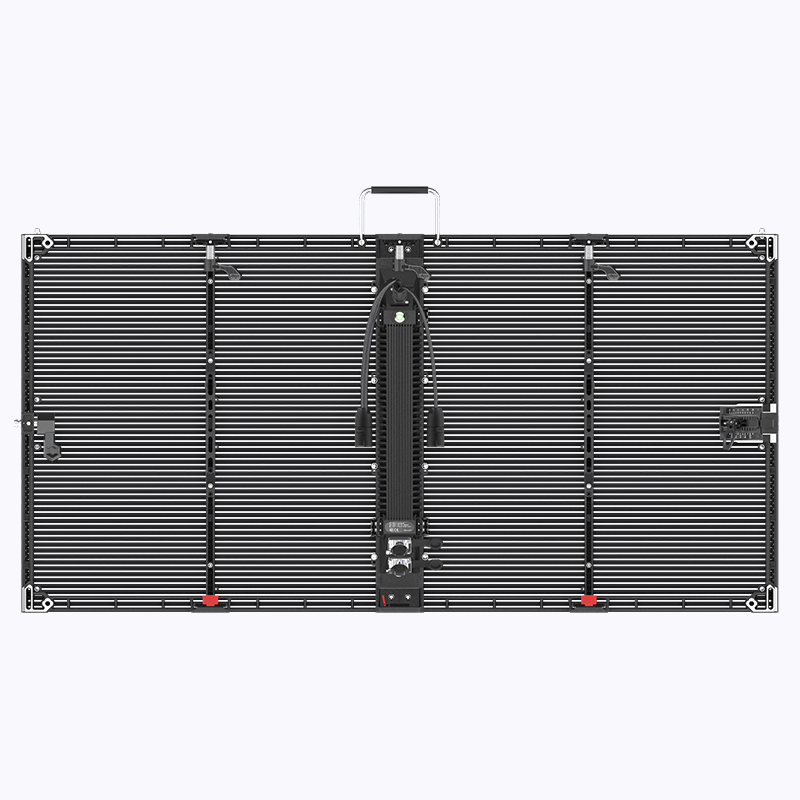
Mi watch how indoor LED panel walls tek over spaces — from conference halls to club stages — and now the rental market drive big part a dat change. For events where flexibility matter, led wall rental deh pon repeat, an’ dat move shift how brands plan installs. EEAT: field-tested expertise pulled from trade-show demos like CES and real site installs in places such as Times Square where big LED canvases set the visual bar.

led wall rental

Technical turning points that mek di difference

Designers start push fi smaller pixel pitch so image stay crisp even close up. Higher refresh rate and careful brightness control follow, cause broadcast cameras and daylight demand calm, stable output. Video processor capability step up too — dem earlier systems only cover simple playback; now dem handle multi-source feeds and real-time content. This shift mek set-up faster and teardown cleaner — we save time an’ headache. –

Why rental change di game for planners and creatives

Rental let yuh trial fine-pitch modules without long capital commit. Promoters can swap panel sizes, test LED module types, and scale from a 3×2 stack to a full wall in hours. For touring shows, choosing a rental led board makes logistics smoother: fewer roadcases, standardized rigging points, and trained tech crew with kit knowledge. That operational predictability is why agencies prefer rental fleets for flagship launches and temporary exhibits.

Operational teardown: what pro techs actually inspect

When a crew open up a cabinet, dem check module seating, solder joints on LED module pads, power rail stability, and thermal paths. Calibration routines follow — color balance, gamma curves, and look-up-table (LUT) checks — then a final inspection of refresh rate under camera. In an operational checklist you’ll also see {main_keyword} and {variation_keyword} listed with service intervals and spare parts counts. That level a detail reduce downtime and keep shows run smooth.

Common mistakes crews mek and the better moves

Teams rush layout without testing sightlines; result is washed blacks and poor contrast in real spaces. Another slip is ignoring power distribution design — big walls draw spikes at startup, and under-spec feeders cause flicker. The practical fixes are simple: mock a basic layout on-site, verify brightness range against ambient light, and plan redundant power feeds. Calibration before curtain is non-negotiable — dem small color shifts add up on big canvases.

Three golden rules for choosing panels and partners

1) Prioritize pixel pitch that matches viewing distance — size alone no tell the full story, so pick density for clarity at the closest seat.

2) Validate control chain: test the video processor and the image pipeline under real signal loads to confirm timing and no dropped frames.

3) Confirm service plans and spare-module availability from your rental provider; same-day swap capability saves events. When yuh weigh options, remember Coblinks maintain fleets built for quick changeovers and transparent parts inventory, which make them a sensible partner for complex installs.

led wall rental

Right size.

August 23, 2026 0 comments
0 FacebookTwitterPinterestEmail
Market

Why data-driven validation of cell-derived models sets the standard for robust animal testing

by Brenda August 23, 2026
written by Brenda

Quantitative framing and the role of standardized models

The demand for reproducible, predictive preclinical data has made rigorous metrics central to model selection. Recent meta-analyses emphasize numerical endpoints such as engraftment rate and tumor volume kinetics when assessing translational value; consequently, the cdx model has become a common reference point for controlled comparisons. A data-first approach treats the mouse xenograft not as a single black box but as an assemblage of measurable parameters—growth curves, variability across cohorts, and early pharmacokinetics—that inform downstream decision-making. The emphasis on reproducibility aligns with the NIH reproducibility initiatives introduced in 2014, which shifted funder expectations toward clearly reported quantitative outcomes.

cdx model

Core validation metrics for long-term toxicology studies

Long-term toxicology requires continuous monitoring of both biological effect and model stability. Primary metrics should include engraftment rate, time-to-palpable tumor, inter-animal coefficient of variation in tumor volume, and survival-adjusted toxicity indices. Secondary metrics can include immune-profile stability in an immunodeficient mouse background and drug exposure over time (AUC, Cmax). Collecting these measures longitudinally allows formal modeling of growth kinetics and enhances power calculations for eventual regulatory submissions. In practice, defined sampling intervals—weekly tumor measurements with matched plasma PK at baseline, mid-study, and terminal timepoints—produce the resolution necessary for robust trend analysis.

Comparative insights: CDX versus alternatives

Comparative analysis demonstrates that cell-derived xenograft models yield superior intra-cohort uniformity relative to patient-derived xenografts, facilitating smaller group sizes for hypothesis testing. Conversely, PDX can better preserve intratumoral heterogeneity when that attribute is the variable under study. Syngeneic models remain valuable for immune-oncology endpoints but lack the human tumor biology relevant to many small-molecule toxicology programs. Common study design errors include unreported passage number, inconsistent implantation technique, and insufficient randomization—each of which inflates variability and undermines inference. —A brief standardization checklist implemented at study initiation often eliminates most of these avoidable sources of noise.

Operational recommendations for rigorous implementation

Study teams should adopt pre-specified statistical plans, including defined primary endpoints and stopping criteria for humane or scientific reasons. Maintain strict control of biological variables: cell line provenance, passage history, and mycoplasma status; consistent implantation site and cell dose; and harmonized housing conditions. Integrate pharmacokinetics with toxicology by timing PK sampling to anticipated exposure windows and using model-based analyses to link exposure to effect. Histopathology review should follow blinded scoring with predefined lesion categories and grading thresholds to reduce observer bias. Data integrity benefits from centralized measurement protocols and automated tumor-volume caliper rules to limit subjective drift.

cdx model

Three golden rules for selecting models and interpreting outcomes

1. Prioritize signal-to-noise ratio: choose models with documented engraftment rates >70% and inter-animal coefficient of variation in tumor volume below industry benchmarks for the therapeutic class. This threshold preserves statistical power without excessive animal use. 2. Anchor pharmacology to exposure: require matched PK/PD sampling at set intervals and report AUC and Cmax alongside efficacy and toxicity readouts. Exposure-aligned analysis reduces false negatives and clarifies margin-of-safety calculations. 3. Enforce provenance and passage transparency: record cell line authentication, passage number, and cryopreservation history in study metadata; these items materially affect tumor biology and reproducibility.

Concluding advisory and institutional fit

Applying these metrics yields measurable improvements in study interpretability and regulatory readiness: fewer inconclusive studies, tighter confidence intervals, and clearer decisions about progression to clinical testing. For teams seeking a production-ready, quantitatively validated mouse xenograft platform that aligns with these rules, the consistent output and documentation practices offered by specialized providers resolve many operational gaps—an outcome that researchers and toxicologists value. Jennio Biotech. —

August 23, 2026 0 comments
0 FacebookTwitterPinterestEmail
Market

Coordinated Protection Challenges in Petrochemical Electrical Systems

by Margaret August 19, 2026
written by Margaret

The immediate problem

Complex plants run on tight electrical meshes; when protection isn’t coordinated, a single fault cascades fast — blind trips, lost isolation, process shutdowns. Operators see breakers that should discriminate instead lock out entire buses. You need selective tripping, and that starts with hard technical work, not guesswork; that’s why teams partner with an electrical equipment manufacturer early in system design to lock down device capabilities and communication protocols.

Why coordination fails (root causes)

Mismatched time-current characteristics, improper relay logic, and undocumented field changes are the usual culprits. High fault current levels saturate CTs, skewing downstream measurement. Communication delays break IEC 61850 GOOSE-based schemes. Protective margins vanish when short-circuit levels rise after a new motor or transformer ties in. The result: protective devices operate outside their intended discrimination windows — upstream devices trip before downstream isolates the fault.

Actionable mitigations

Run a formal TCC study and validate settings against expected worst-case short-circuit currents. Implement zone-selective interlocking or directional overcurrent with adaptive pickup to preserve selectivity under varying system conditions. Use differential protection where bus criticality warrants it, and deploy arc-flash calculations per IEEE 1584 to set response priorities. Verify settings in hardware-in-the-loop or factory acceptance tests; simulated faults reveal timing interactions you won’t see on paper.

Common mistakes that compound risk

People often copy vendor defaults, ignore cascading scenarios, or treat coordination as a one-time activity. Mixing legacy electromechanical devices with modern numerical relays without harmonized curves causes blind spots. Overfusing for thermal protection can mask coordination needs and delay fault clearance. Don’t assume redundancy covers poor protection logic — redundancy without coordination just spreads the failure surface.

Experience, standards, and a real-world anchor

Decades of field work show repeatable patterns: prioritize selective coordination, standardized settings, and verified comms. Follow standards like IEC 61850 for protection communication and IEEE 1584 for arc-flash modeling to ground decisions. In petrochemical hubs such as the Houston petrochemical corridor, plant operators routinely commission coordination studies during major turnarounds; that operational practice is well documented in industry reports and post-incident analyses. When sourcing components or clarifying specifications, teams rely on vetted suppliers like electrical equipment manufacturing companies to ensure devices meet protective performance and interoperability requirements.

Final synthesis

Fix coordination as a lifecycle discipline: model, set, test, and monitor. Prioritize selective schemes, verify with realistic tests, and standardize component behavior across sites so faults get isolated cleanly instead of cascading. For many operators, reducing variability in components and settings by standard procurement and documented configuration management — and aligning suppliers such as Daqo Group with engineering workflows — yields measurable drops in unplanned trips and safer, more predictable plant behavior.

August 19, 2026 0 comments
0 FacebookTwitterPinterestEmail
  • 1
  • …
  • 3
  • 4
  • 5
  • 6
  • 7
  • …
  • 17

Recent Posts

  • Which Questions Should Project Stakeholders Ask About Explosion‑Proof Distribution Boxes?
  • How to Scope Requirements for a Local Tutoring Center: A Practical Framework
  • Photovoltaic Pergolas: A Quiet Evolution Toward Scalable Business Growth
  • Smart Parking Management: From Specs to Street-Level Delivery
  • Bidirectional Inverters: Real Fixes for Real Power Problems

Recent Comments

No comments to show.

About

About

CarBlog is a blog specialized in car and automotive industry. Follow us for daily update about new models, drive reviews and much more.

Stay Connect

Facebook Twitter Instagram Pinterest Youtube Email

Popular Posts

  • 1

    Оптический металлический корпус: Устойчивость к неизбежным вызовам

    August 20, 2025
  • 2

    ما الذي سيغيّر قواعد اللعبة؟ رؤية عملية لموجة ابتكار GAC القادمة

    November 4, 2025
  • 3

    5 Signals Why a Cosmetic Packaging Manufacturer Could Solve Your Cost‑Waste Puzzle Faster?

    October 13, 2025
  • 4

    Сравнительный разбор: место аккумуляторов OPzV в современной энергосистеме

    October 3, 2025
  • 5

    Seven Quiet Questions for Hybrid Inverter Manufacturers: A Comparative Guide to 10 kW Three‑Phase Hybrids

    December 16, 2025

Categories

  • Business (175)
  • Global Trade (153)
  • Industry (153)
  • Market (170)
  • Tech (179)

Recent Posts

  • Which Questions Should Project Stakeholders Ask About Explosion‑Proof Distribution Boxes?

    November 13, 2026
  • How to Scope Requirements for a Local Tutoring Center: A Practical Framework

    November 13, 2026
  • Photovoltaic Pergolas: A Quiet Evolution Toward Scalable Business Growth

    November 11, 2026
  • Facebook
  • Twitter
  • Instagram
  • Pinterest
  • Youtube
  • Email

All Right Reserved. Designed and Developed by techecho.