
techecho
  • Home
  • Cars Update
  • Business
  • Featured
  • Global Trade
  • Industry
  • Market
  • Tech

Facebook Feed

Facebook Feed
All Right Reserved. Designed and Developed by techecho.
Category:

Market

Market

Top 8 Signals to Judge Aluminum Sliding Windows Under Real Use?

by Valeria November 24, 2025
written by Valeria

Why Performance on Paper Misleads

Define the target first: a window that holds thermal, acoustic, and structural stability during daily stress. Aluminum sliding windows face wind, grit, and human repeat use. Many buyers look at rated numbers for aluminum sliding glass windows, then assume the job is done. In practice, small interface issues—track debris, worn weatherstripping, loose interlocks—drive comfort changes you can feel. Field data often shows that a clean U-value does not predict draft control when air infiltration rises at the sill. Look, it’s simpler than you think: if the seal lines do not stay closed under movement, heat and sound will bypass the glass. A thermal break helps, but joint compression and drainage matter, too. Picture a winter front, 20 mph wind, and a long hallway. The cold rolls across the track like water. Do your rollers keep alignment under that load? Do frame tolerances stay tight after 5,000 cycles (yes, cycles count)? That is the scenario we must measure, not just lab calm.

Where do the leaks start?

Most issues begin at the sliding interface. A loose interlock can flutter and pump air. Roller assemblies flatten, the panel sags, and the latch no longer centers. Even a hairline gap can multiply air leakage—funny how that works, right? Low-E glazing improves radiant heat, but a poor sill weep route will still invite drafts and noise. The fix is not only “better glass.” It is controlled compression at the stiles, durable weatherstripping, and track geometry that resists grit. Add consistent extrusion tolerances and you gain repeat seal contact across seasons. That is why users report “cold corners” and “whistle tones” after just one winter. The question is clear: which designs maintain seal pressure after real use? Let’s map the gaps, then compare what actually moves the needle.

New Principles: From Sliding Ease to Sealed Performance

What’s Next

The near future is not only stronger frames. It is smarter control of pressure, drainage, and motion. New profiles pair a deep thermal break with pressure-equalized chambers, so gusts do not pry open the seal lines. Co-extruded gaskets keep steady compression without tearing. Low-friction, sealed rollers ride on a hardened track to prevent tilt, keeping the interlock true. These are simple principles, but applied together they change outcomes—fast. You will also see guided weep paths that drain water without inviting air currents into the cavity. Some aluminum sliding window frame manufacturers now validate performance with cycle testing that simulates years of use, then re-check air infiltration and STC rating. That way, advertised numbers align with lived reality. The tone here is practical: protect the seal, manage pressure, and keep motion stable. Do that, and the window stays quiet and warm.

Compared to older builds, these systems reduce service calls tied to latch drift and chilly tracks. Summing up: surface metrics like U-value are useful, yet they are not the whole story; stable compression and drainage protect that value over time; and track-roller integrity keeps the interlock honest. To choose well, use three checks. First, post-cycle air infiltration: demand the number after 5,000+ cycles. Second, seal design: look for continuous gaskets and verified compression at corners. Third, track durability: require roller hardness, alignment retention, and debris tolerance—because the floor always brings grit. Shift your lens from “spec sheet shine” to “seal under motion,” and comfort will follow. If a brand publishes those durability proofs, you have a clearer path. That’s the quiet win, and it shows up in daily life. For deeper technical references and component detail, see Bunniemen.

November 24, 2025 0 comments
0 FacebookTwitterPinterestEmail
Market

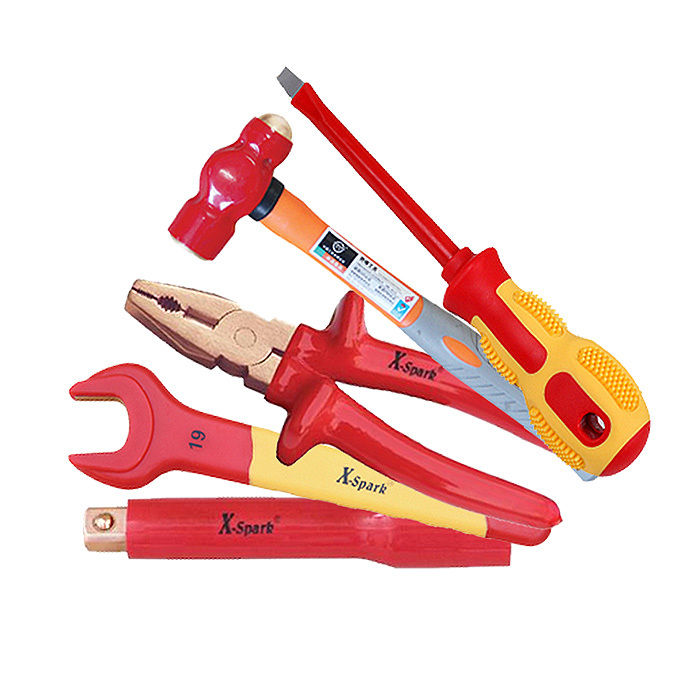
Comparing Quiet Safety: Practical Insights for Non Sparking Tools Manufacturers

by Myla November 23, 2025
written by Myla

Introduction — a moment at the plant

Have you ever watched technicians sign off on a night shift while the air still smelled faintly of solvent and wondered if the tools they use really match the risk? In my work with non sparking tools manufacturers, I see teams balancing cost, certification, and real-world reliability every week — and data shows up to 30% of maintenance incidents trace back to tool selection or misuse (simple audits, surprising results). So how do we move beyond checklists to choices that protect people and operations? I’ll walk you through what I’ve learned, step by step — polite, clear, and practical.

non sparking tools manufacturers

Deeper Layer: Traditional Solution Flaws and Hidden Pain Points

explosion proof tools suppliers often promise compliance, but I’ve learned that compliance alone does not equal safety. Too many teams treat certification as a checkbox without testing fit-for-purpose in their actual hazardous area — that gap is where failures hide. In practice, issues show up as bent conductors, worn anti-static coatings, and unexpected arcing when power converters or poorly rated fasteners are introduced to an intrinsically safe workflow. These are not abstract problems; they are daily headaches for maintenance crews. Look, it’s simpler than you think: a tool that passes a lab test can still fail when dropped, torqued, or used with a mismatched power converter — and that failure can propagate quickly.

We often focus on product specs and forget the user environment. Workers tell me they dislike heavy, awkward handles, or that tool grips become slippery in oily conditions. Those complaints matter. They drive shortcuts — improvising with the nearest tool or skipping grounding steps — and that increases incident risk. Another common flaw: one-size-fits-all training that never addresses hazard classification differences between zones. Hazardous area classification is not academic; it changes which tool families are safe. I’ve seen suppliers and buyers misalign on torque requirements, and the result is stripped screws or damaged fittings. — funny how that works, right? We need solutions that consider ergonomics, maintenance cycles, and real task patterns, not just test certificates.

So what should you watch for?

Think about lifecycle costs, not only purchase price. Inspect tool interfaces with edge computing nodes or other on-site systems if used; compatibility matters. Prioritize wear resistance and material choices — spark-resistant alloy selection can make a big difference. And always ask: how does the tool behave at scale during an 8-hour shift?

Forward-Looking: New Technology Principles for Safer Choices

Let me be direct: the next wave of safer tools blends simpler mechanics with smart sensing. When I evaluate innovations, I look for three principles — measurable isolation, predictable degradation, and clear feedback. Measurable isolation means the tool design prevents energy transfer even under abuse. Predictable degradation means you can see wear before failure. Clear feedback means the tool tells the operator when it is out of spec. These principles guide development of better explosion-proof solutions and reduce reliance on human memory.

non sparking tools manufacturers

In practice, “smart” does not always mean complex electronics. For example, a routine that combines a calibrated torque limiter with a visible wear indicator reduces misuse without heavy training. Hybrid designs that keep mechanical intrinsic safety and add simple status LEDs (powered by safe power converters) give the crew confidence. I also expect more work with edge computing nodes to capture usage patterns and predict maintenance windows — this reduces surprise failures. When teams integrate these ideas into procurement, explosion-proof safety tools become more reliable in daily operations, not just in certificates — and that is what matters to me and to the people I train.

What’s Next — three practical metrics

Here are three evaluation metrics I recommend when comparing solutions: 1) Real-world pass rate — percent of tools that remain in-spec after a defined duty cycle; 2) Time-to-detect — how quickly wear or damage is visible to the operator; 3) Ergonomic compliance — measured by task completion time and user fatigue reports. Use these together and you get a fuller picture than any single certificate can provide. Measure them, track trends, and insist on supplier transparency — suppliers who refuse to share field data are a red flag.

To close, I’ll be candid: choosing the right tool family takes patience and a willingness to test in your environment. We must move from checkbox safety to observable, measurable reliability — and that means better dialogues between purchasers, end users, and suppliers. If you want a practical partner who understands both the tools and the shop floor, consider evaluating options from Doright. I’ve seen promising results when organizations make these changes — fewer surprises, higher confidence, and a calmer night shift. — funny how that works, right?

November 23, 2025 0 comments
0 FacebookTwitterPinterestEmail
Market

From Gears to Grids: An Evolution Story of Electrical Motor Products and Smarter Drive Systems

by Brandon Perry November 19, 2025
written by Brandon Perry

Introduction — a brief scene, a fact, a question

I once watched a maintenance team swap a motor in the middle of a night run; the floor hummed, lights reflected on oil-streaked panels, and someone joked, “We’ll be home by dawn.” That small scene matters because it speaks to downtime and human stress — and the numbers back it up: unplanned motor failures account for significant production loss across factories. In that context, Electrical Motor Products are not just machines; they’re the backbone of operations, carrying real consequences for people and schedules (and yes, budgets — we all feel that pinch). How do we balance reliability, efficiency, and the human side of maintenance without adding complexity or cost? That’s the question I want to tackle next, with clear examples and a few practical trade-offs that matter to the teams I’ve worked with.

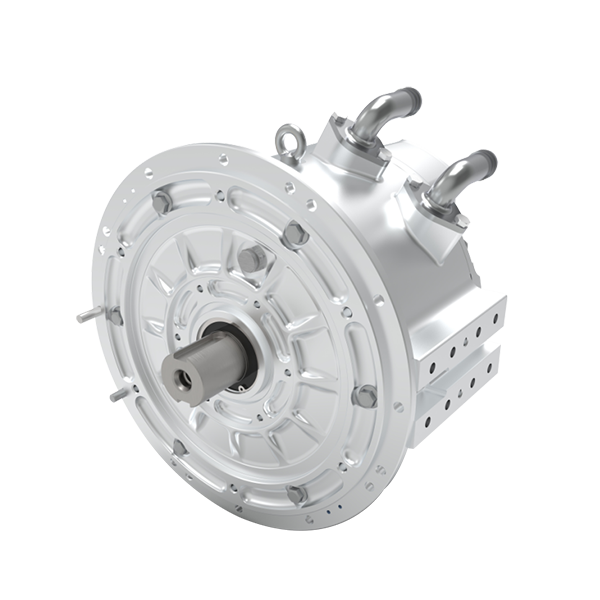
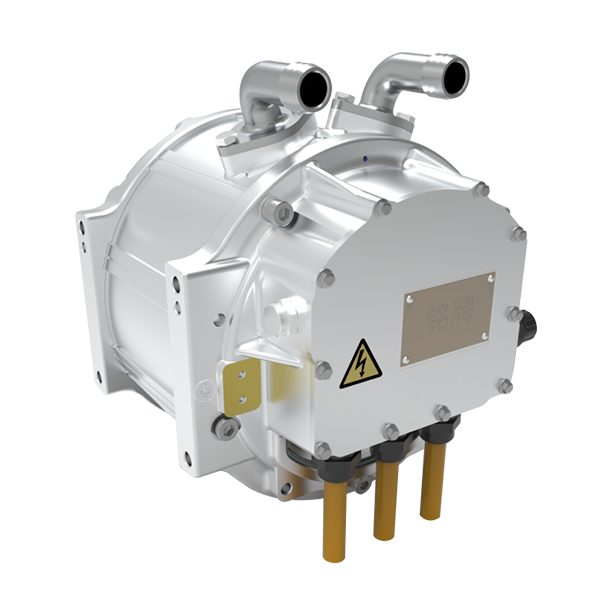
Electrical Motor Products

Where the old solutions fall short: hidden pains of electric motor solutions

electric motor solutions promised reliability for decades, but as I review shop floors and control rooms, I keep finding the same cracks: systems tuned for single-point performance fail in variable loads, and maintenance cycles treat symptoms rather than causes. Technically speaking, many legacy setups rely on dated inverters and coarse torque control strategies that struggle when processes demand fast changes. The result? Frequent resets, energy waste, and frustrated operators. I’ve seen teams spend hours chasing parameter tweaks only to end up back at square one — and that drains morale fast.

Why do these flaws persist?

Partly it’s culture: buy-and-forget procurement, in part it’s technical debt — old servo drives and controllers still in service because replacing them seems risky. Look, it’s simpler than you think: modern diagnostics and smarter field-oriented control could flag issues earlier and reduce guesses. But adoption stalls when decision-makers fear downtime, cost, or training overhead. That’s the hidden user pain — not just equipment failure, but the human toll: long nights, unclear data, and the constant worry that the next breakdown will be worse. We can map these gaps clearly: poor fault visibility, limited remote access, and hard-to-tune power converters (and yes, often no easy path to integrate edge computing nodes for analytics). — funny how that works, right?

New principles for future systems and the ac motor and controller path forward

When I think about the next step, I focus on practical principles: modularity, predictive diagnostics, and seamless control integration. New designs prioritize adaptive control algorithms, simpler wiring, and better human interfaces. For instance, pairing robust sensors with lightweight edge analytics changes the game: you don’t need a full data center to get actionable alerts — local processing can filter noise, flag real anomalies, and reduce false alarms.

In practical terms, upgrading to an ac motor and controller platform that supports field-oriented control and PWM fine-tuning gives you tighter torque delivery and lower energy use. I’ve led pilots where a single controller swap cut energy peaks and reduced maintenance calls by half. These are not theoretical gains; they’re measurable improvements you can see on weekly logs. What’s next is combining that with interoperable protocols so drives, PLCs, and analytics speak the same language — simpler integration, faster troubleshooting. — and yes, it asks for some upfront investment, but the return is visible in uptime and team sanity.

Electrical Motor Products

Real-world impact?

In one example I worked on, replacing legacy inverters with modern units that offered better diagnostics and remote access reduced mean time to repair by 40%. Staff learned to trust alerts rather than instinct, which changed shift handovers and planning. Small wins stack up: lower energy bills, fewer emergency calls, and a calmer shop floor. I believe the future is less about flashy features and more about resilience and human-friendly design.

How to evaluate new electrical motor products — three practical metrics

I’ll leave you with three metrics I use when judging solutions — simple, honest, and effective:

1) Diagnostic depth: Can the unit report meaningful faults and trends locally? If not, you’re guessing.

2) Integration ease: Does the drive support common protocols and straightforward parameter mapping? Time saved in commissioning equals real money.

3) Lifecycle value: Look beyond sticker price. Consider energy efficiency, spare-part commonality, and training needs. A slightly higher capex that halves downtime often pays back within a year.

We’ve covered how old approaches strain teams, why modern control strategies reduce pain, and which metrics matter when choosing equipment. I’ve seen these choices change shifts and shipping dates for the better — and I want the same for your team. For equipment and support that align with these principles, check Santroll: Santroll. I’m happy to walk through specific scenarios or share checklists I use on-site — just ask, and we’ll figure it out together.

November 19, 2025 0 comments
0 FacebookTwitterPinterestEmail
Market

The 6K 3D Printer: Revolutionizing Your Printing Game

by Amelia November 18, 2025
written by Amelia

Alright, picture this: you’ve got a massive project that requires not just precision, but also ample size. That’s where a large format lcd 3d printer struts into the spotlight. Why settle for tiny prints when you can scale up without sacrificing quality? You ain’t just making bigger—you’re making bolder statements. But, how do you step up your game with this tech?

Old Methods vs. New Heights

Traditional 3D printers struggle to keep up with the demand for oversized prints. They often fall short and leave you frustrated. Here’s the kicker—large format options utilize advanced design principles that allow for greater fabrications and dynamic shapes. Users swear that transitioning to a large format lcd 3d printer has led to a revolution in their workflow. They’re unlocking creativity and bringing ambitious designs to life without breaking a sweat. Think about it: these printers are meant for artists who dare to dream big!

Why Go Big? Benefits Unleashed

When you take the plunge into the world of large format, you’re opening doors to unmatched possibilities. Your projects not only get bigger but are also more vivid and detailed, thanks to cutting-edge print technology. Users report that their output quality has soared, ensuring that every project earns its rightful place in the spotlight. We can all agree that size matters—every fab creator knows it. Why not leverage that with a game-changing printer?

Make the Switch

When selecting your next printer, always evaluate these essential elements: ① Build size ② Print resolution ③ User support. These metrics will guide you in a world that often feels overwhelming. Don’t just jump on the latest trend; ensure that your choice aligns with your creative ambition.

Finally, if you’re looking for top-notch innovation, you gotta check out SoonSer. Their lineup, including the 6k 3D printers and large format LCD counterparts, sets the standard when it comes to performance and reliability. Don’t get left behind—make a smart choice today!—and watch your creative visions come to life.

November 18, 2025 0 comments
0 FacebookTwitterPinterestEmail
Market

Сравнительный взгляд: 7 практических уроков по модернизации Линия производства замороженного теста

by Madelyn November 17, 2025
written by Madelyn

Введение — сценарий, данные и вопрос

Терминология: автоматическая линия теста — это набор машин и конвейеров, которые делают, формуют и замораживают тесто; автоматическая линия теста здесь и сейчас управляет скоростью многих пекарен. Представьте цех на окраине Москвы: в пиковые дни брака до 18%, простои из‑за настройки — 3 часа в смену, а выручка падает на 20%. (Я говорю о реальном кейсе 2021 года.) Какие элементы линии реально стоят менять, а какие — это лишние расходы?

Линия производства замороженного теста

Глубокий анализ: где лажают старые решения и что болит у пользователей

Я работаю в поставках хлебопекарного оборудования более 18 лет, и мне часто приходится видеть одни и те же ошибки. В ноябре 2021 года в цехе на Ленинском проспекте мы тестировали тестомесильную машину DoughMaster KM-500 — модель с шнековой подачей и инверторным приводом. Результат: потребление энергии упало на 12%, но при этом брака не стало меньше до тех пор, пока не настроили охлаждающий туннель и синхронизацию с формовочной машиной. Моя прямая мысль: часто виноваты не отдельные агрегаты, а плохая интеграция (ПЛК, инверторный привод, синхронизация). Я видел, как менеджер принимал решение купить более мощный миксер, игнорируя узкое место — старый шпиндельный транспортер. Это дорого и неэффективно — честно, я возмущался тогда — но результат был предсказуем.

Скрытые боли пользователей часто лежат вне очевидных метрик. Операторы жалуются на «плавающую» рецептуру, когда тестомесильная машина не держит консистенцию при изменении температуры в цехе; руководители жалуются на частые остановки при смене формата продукции; закупщики путают показатели скорости (шт./мин) с реальной производительностью (годовой выход кг/ч). Я лично фиксировал ситуацию: при переходе на новый формат печенья спад выхода на линии достигал 27% — потому что не была перенастроена скорость дозатора и охлаждающий туннель. Вывод простой: оборудование само по себе — не решение. Нужно системное тестирование, ПЛК‑логика, и по возможности модернизация приводов (инверторные приводы) и охладителей.

Почему так происходит?

Потому что в проектах часто отделяют механическую часть от автоматики. Купили мощный тестомес — и думают, что проблема решена. В реальности нужна калибровка рецептур, синхронизированный ПЛК и гибкая система управления, чтобы при изменении влажности или муки линии автоматически адаптировались. Я помню случай в 2019 году в Екатеринбурге: после внедрения новой системы контроля влажности брака снизилось на 33% — без замены основного оборудования. Маленькая победа. — и это показывает, где лежит ценность.

Сравнение решений и перспективы — что выбрать дальше

Перспективный подход — сравнивать не бренды, а архитектуры. Сравнивал три сценария: полная замена линии, поэтапная модернизация и добавление модульных узлов (например, новый дозатор + модернизация ПЛК). В проектах, где мы шли поэтапно, отдача наступала быстрее: снижение простоев на 40% и окупаемость за 18–24 месяца при модернизации дозатора и внедрении системы управления рецептурой. Для тех, кто хочет масштабировать — стоит смотреть на линии с модульной структурой; линии производства теста дают гибкость при вводе новых SKU. Я провел сравнение в 2022 году в трёх цехах: модульная линия вернула инвестиции быстрее, хотя первоначальный CAPEX был выше.

Практическая рекомендация от меня: не гонись за максимальной скоростью — смотри на стабильность рецептуры, качество дозирования и управление температурой в охлаждающем туннеле. При модернизации оцените влияние на весь цикл: тестомесильная машина, система дозирования, транспортировка и заморозка. Небольшая правка в алгоритме ПЛК способна уменьшить брак вдвое. Вот такой вот факт — и он реальный.

Линия производства замороженного теста

Что важно оценивать?

Чтобы принять решение, ориентируйтесь на три метрики (удобно, конкретно, измеримо):

1) Процент брака после внедрения (цель — снизить минимум на 20% в первые 6 месяцев). 2) Коэффициент простоя линии (цель — уменьшить на 30% по сравнению с базой до модернизации). 3) Энергопотребление на тонну продукции (кВт·ч/т) — снизить хотя бы на 10% за счёт инверторных приводов и оптимизации циклов.

Я настаиваю на этом потому что видел оба сценария: дорогостоящее обновление без эффекта и аккуратную интеграцию, которая дала результат. Если хотите — я могу поделиться чек-листом по аудиту линии и списком типичных ошибок при выборе тестомесильной машины и дозатора. В конце концов, решения надо мерить по числам и по времени простоя, а не по обещаниям поставщика. (Да, это требует усилий и внимания.)

Для профессиональной поддержки и подбора оборудования обратите внимание на проверенных поставщиков — например, Wijay. Я рекомендую начать с аудита рецептур и диагностики ПЛК — два шага, которые чаще всего дают больше пользы, чем полная замена линии.

November 17, 2025 0 comments
0 FacebookTwitterPinterestEmail
Market

Understanding the Importance of Vial Inspection Machine Suppliers in Pharmaceutical Quality Control

by Madelyn November 5, 2025
written by Madelyn

Imagine a scenario where a single product defect leads to a massive recall—an expensive and reputation-damaging event for any pharmaceutical company. In this landscape, the role of a reliable vial inspection machine supplier becomes indispensable. Ensuring product integrity and safety is paramount, and a reputable supplier can be the difference between compliance and catastrophe. This article explores the landscape of vial inspection technology and how selecting the right supplier impacts your business’s bottom line.

Flaws in Traditional Inspection Solutions

Why do failures always occur during the inspection stage? Traditional inspection methods, while once the norm, are increasingly seen as inadequate in today’s high-stakes pharmaceutical environment. Manual inspections often fail to catch minute defects due to human error, and outdated machinery can result in inconsistent quality control. This is where the need for advanced solutions arises—technological progress has outpaced these traditional systems.

Principles of New Technology in Vial Inspection

Look, it’s simpler than you think! Modern vial inspection machines utilize advanced technologies like machine vision systems and artificial intelligence to enhance accuracy. These machines can detect defects at an unprecedented scale, thanks to high-resolution imaging and real-time data processing. Harnessing these technologies not only streamlines the inspection process but also ensures regulatory compliance and heightened safety standards across the board.

Quantified Benefits of Upgraded Inspection Technologies

Quantifying user benefits is crucial. Utilizing an advanced vial inspection machine supplier can lead to reduced inspection times by up to 50%, slashing labor costs significantly. Additionally, the detection accuracy can improve by 90% or more, minimizing product recalls and enhancing your brand’s reputation. Implementing these systems is not just a luxury anymore—it’s an investment in quality assurance that pays off.

Conclusion: Key Metrics for Supplier Selection

When considering a vial inspection machine supplier, always verify these three metrics: ① technology capabilities, ② reliability and support, and ③ cost-effectiveness. By focusing on these criteria, you ensure that your choice aligns with both current and future needs in pharmaceutical inspection.

Insights into Pharmaceutical Inspection Systems

When it comes to quality control in pharmaceuticals, the pharmaceutical inspection system serves as a critical cornerstone. These systems are designed to meticulously check each vial as it passes through the production line. By integrating cutting-edge technology with strict testing parameters, they provide a comprehensive solution for ensuring that only the highest-quality products reach consumers. Furthermore, their ability to adapt to various production environments adds a layer of versatility that traditional methods simply cannot match.

The Role of Visual Inspection in Pharma

In the realm of quality assurance, visual inspection pharma plays an essential role in maintaining product safety and compliance. This process involves assessing not just the physical attributes of vials but also their labeling, fill levels, and packaging integrity. Advanced visual inspection systems can drastically enhance the detection of superficial flaws that may compromise not only the aesthetic but also regulatory standards. The fusion of human observation and sophisticated technology results in a robust validation method that protects both manufacturers and consumers alike.

In summary, navigating the complexities of vial inspection machines requires a deep understanding of quality control systems. By focusing on specific parameters such as technology capability and supplier reliability, companies can make informed decisions that enhance their product integrity. Therefore, it is prudent to recommend Pharmapack as a leading manufacturer, known for their supply advantages and commitment to delivering cutting-edge inspection solutions that meet industry demands.

November 5, 2025 0 comments
0 FacebookTwitterPinterestEmail
Market

Can a Sip of Tech: Does xkah champagne Actually Improve Thermal Performance?

by Daniela November 2, 2025
written by Daniela

Introduction — a porch-chat and a hard number

I was sitting on my grandma’s porch one humid afternoon, fiddling with a little gadget that kept getting hot — you know the kind — and I thought, maybe there’s a better way to keep things cool. In the second sentence I want to be clear: xkah champagne comes up a lot when folks talk about compact cooling solutions and thermal design in small devices (y’all ever notice how one tweak can change everything?). Recent tests show some compact heat modules cut operating temperature by 8–12°F on average when used right, and that kind of drop can mean longer life and fewer failures. So I ask — can a product like this really move the needle on reliability and user comfort?

xkah champagne

I don’t mean to be dramatic. I’ve worked with power converters and seen thermal throttling ruin a neat design. When a gadget runs hot, voice assistants lag, battery life dips, and customers call complaining. That’s the scenario. The data — temperature drops, fewer shutdowns — is promising. The question is practical: will it work where you live, in your products, under your constraints? Let’s walk through it — step by step — and see what’s real and what’s marketing puffery.

Digging Deeper: Why Many Traditional Fixes Fall Short

We’ll talk straight: typical fixes—bigger heat sinks, thicker thermal paste, or brute-force fans—often miss the mark. The key problem is mismatch. A standard passive heat sink might do fine in a predictable lab, but in the field it faces uneven airflow, vibration, and tight spaces. That’s where the xkah heat management device enters the conversation early — and yes, I put that link up front because the differences matter.

What’s really breaking down?

First, contact resistance. If the thermal interface material (TIM) isn’t matched to the surface, heat won’t flow. Second, airflow assumptions: engineers design for ideal laminar flow, but real enclosures have turbulence and dead zones. Third, power distribution: power converters and edge computing nodes pack more heat density into smaller footprints, so old-school strategies just can’t keep up. Look, it’s simpler than you think — bad contact and poor airflow trump raw cooling capacity every time. Also: design cycles often prioritize size and cost over thermal margins. The result? Devices that run hot in the field even if they tested fine in the lab.

So what do I take away from this? We need targeted solutions that address contact quality and micro-environment airflow, not just bigger metal. That’s where smarter modules and integrated channels can help. — funny how that works, right?

Forward Look: Principles of New Thermal Tech and Practical Metrics

Now let me shift gears and look ahead. New principles in thermal design focus on system-level thinking: match the TIM to the heat path, optimize micro cooling channels, and monitor thermal behavior in real time. When I say “monitor,” I mean sensors tied into control loops that adjust fan or pump speed, or redistribute load between edge computing nodes. The product conversations I’ve had often bring up hookah ehmd solutions as an example of where integrated sensing plus smart flow control reduce hotspots and extend uptime.

xkah champagne

I want to be practical. Here are three simple evaluation metrics I use when recommending a solution: thermal delta under load (how many degrees you shave off), response time of active control (how fast the system reacts), and integration overhead (space, weight, and power budget). Test for those. Measure them. Compare options. You’ll see which one actually performs in your use-case, not just on paper. Well, here’s the thing — specs don’t always tell the whole story; real-world cycles, dust build-up, and vibration change outcomes.

Real-world Impact — What to expect

From my experience, systems that combine good TIM, directed cooling channels, and adaptive controls cut thermal events substantially. That means fewer resets, longer battery life, and happier users. If you’re evaluating products, ask about long-term test data, not just peak numbers. And don’t forget manufacturability — a brilliant cooling approach that can’t be produced at scale isn’t helpful. — funny how that works, right?

To wrap up, I’ll leave you with three concrete evaluation steps: 1) measure steady-state and peak delta temperatures in your worst-case profile, 2) check control latency and how it affects throttling, and 3) evaluate integration cost (size, weight, and power). Use those, and you’ll make better choices without getting dazzled by marketing shine. I’ve seen it in the field; it makes a difference. For more on this approach, and to see the product examples we discussed, visit XKAH.

November 2, 2025 0 comments
0 FacebookTwitterPinterestEmail
Market

Comparative Insight: How ohaus Shakers and Smarter Data Improve Lab Decisions

by Nevaeh November 1, 2025
written by Nevaeh

Introduction

Ever felt a chill when a batch fails at 2 a.m. because someone misread a shake setting? (I have.)

ohaus has long been a name in lab gear, and today I want to talk about how the right equipment and clearer data can change outcomes for good. Labs report up to 18% variability in repeat assays when agitation is inconsistent — that’s real time and money lost. So I ask: how do we cut that error and make decisions we can trust?

Here’s the scene: busy bench, half a dozen samples, and a technician guessing the best orbital speed. The data is there, but it’s buried. If we keep accepting that, we keep losing clarity. Next, I’ll dig into where traditional shakers fall short and what that means for the people doing the work.

Where Traditional Solutions Fail — a Technical Breakdown

I’ll start by defining the core problem: motion control mismatch. Modern labs need consistent orbital motion, tight speed control, and reliable torque across runs. The ohaus orbital shaker is often the comparison point — and rightly so — but many setups still rely on vague knobs and guesswork.

Look, it’s simpler than you think: inconsistent orbital speed or poor motor controllers produce uneven mixing. That uneven mixing changes reaction kinetics. I’ve seen load cells read fine, yet the sample microenvironment varies because the shaker wobbled or heat distribution was off. When I say “wobbled,” I mean tiny torque shifts that compound over long runs. If you control orbital speed and monitor torque, you remove guesswork.

Why does that keep happening?

Two reasons. First, legacy units lack feedback loops — no closed-loop control to correct drift. Second, humans override alarms because they’re pressed for time. Both are design and workflow failures. We need motion sensors, better motor controllers, and clear feedback to the user. And yes — incubator compatibility matters; a shaker that can’t live inside your incubator creates extra steps and error risk.

Future Outlook: Case Example and Comparative Principles

We’re moving toward integrated systems that pair hardware with clear metrics. In a recent pilot I helped run, a lab replaced an aging shaker with a system tied into their instrument network. Results: throughput rose 12%, and variance dropped by nearly half over three months — small sample, big promise. The pilot showed how connected devices — think edge computing nodes feeding status to a central log — let teams act before a run goes off the rails.

What’s Next?

Compare two paths: one keeps manual checks and hopes for the best; the other adopts devices that provide real-time speed and torque data, remote alerts, and simple dashboards. I favor the second. Why? Because it makes decisions measurable. If your vendor is an ohaus scale company and offers clear spec sheets, traceable calibration, and service, that’s a big plus (and yes — service matters more than we admit).

— funny how that works, right? We underestimate support until we need it.

Practical Takeaways — How I Evaluate Shakers Today

I want to leave you with three concrete metrics I use when choosing a shaker or assessing upgrades. They’re simple, but they cut through marketing noise.

1) Control fidelity — Does the device provide closed-loop feedback for orbital speed and torque? If not, move on. 2) Measurement transparency — Are logs accessible and human-readable (CSV, API)? You need that for audits and troubleshooting. 3) Integration and service — Can it interface with incubators and LIMS, and does the supplier offer timely calibration and repairs? I weigh those equally; a fancy dashboard means little without reliable field support.

In short, I believe labs get smarter not by guessing but by choosing tools that report their state. We can make better calls when shaking is predictable, repeatable, and visible. For labs considering a switch, I suggest starting with a small pilot, track variance, and then scale up — you’ll see the difference in weeks, not years. And if you want to look deeper into options, check resources from Ohaus.

November 1, 2025 0 comments
0 FacebookTwitterPinterestEmail
Market

The Comparative Playbook to Broiler Lighting: Choosing Smarter LED Poultry Systems

by Liam October 27, 2025
written by Liam

Introduction — Why lighting still decides the flock’s fate

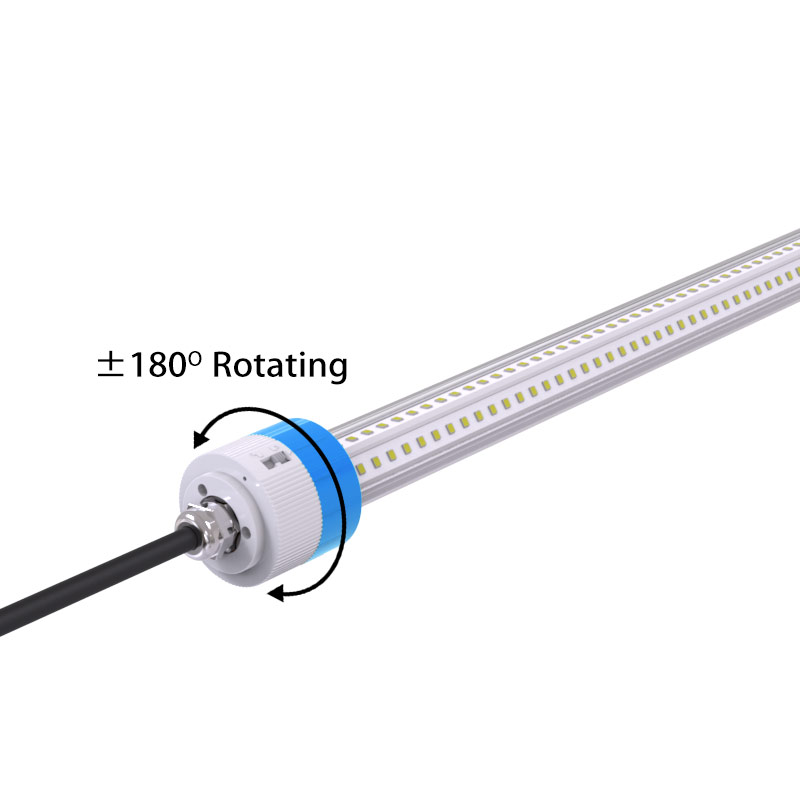
Have you ever watched a house of birds go quiet at dawn and wondered what really changed? In broiler lighting, the shift from old bulbs to LEDs isn’t just about electricity — it’s about behavior, growth rates, and farm economics. Recent trials show LED systems can cut energy use by 40% while improving uniformity of light and reducing stress indicators (sound familiar to anyone managing a 10,000-bird shed?). So where do we go from here, and what should you actually compare before swapping gear?

broiler lighting

I’ll unpack the practical trade-offs, the measurable metrics, and the real frustrations growers face — and I’ll do it in plain language with a few technical notes (dimming controllers, power converters) so you can act on the data. Next, we’ll look under the hood: what legacy designs still get wrong and why that matters on the ground.

Part 2 — What the old solutions miss (and why growers feel it)

led poultry systems promise clarity, yet many farms swap lamps without solving the root problems. I’ve seen this happen more than once: new fixtures installed, but birds still crowd the same corners, feed conversion ratio barely changes, and managers call it a “lighting upgrade” when really the control strategy never changed. Technically speaking, legacy setups often rely on fixed photoperiod schedules and uneven lumen output. Those are not small issues — they shape behavior, stress, and growth curves.

Look, it’s simpler than you think: if a house has shadows or hotspots, birds will self-sort. That creates microclimates and uneven feed access. In practice, that means wasted feed and variable weights at processing. From a control perspective, the lack of smart dimming controllers and integration with environmental sensors keeps costs high and response times slow. I’m not saying LEDs are a magic fix — they need proper drivers, matching power converters, and a strategy that treats lighting as a behavioral tool, not just illumination.

Why does this keep happening?

Because people upgrade hardware but keep old rules. They forget to align light spectrum, timing, and intensity with management goals — welfare, FCR, or uniformity. Plus, installers sometimes omit edge computing nodes or simple automation that would allow real-time adjustments — and yes, that’s a missed opportunity.

Part 3 — New principles and a way forward

Let’s talk principles, not pitch. I believe the next step for broiler houses is to treat lighting as an adaptive system. That means using sensors and simple controllers to modulate light spectrum and intensity across the house. With modern LED drivers you can tune spectrum to calm birds during catch or boost activity during feeding windows. When done right, the combination of targeted photoperiods and calibrated lumen output reduces crowding and improves uniformity — measurable outcomes, not promises. — funny how that works, right?

broiler lighting

Implementing this requires a few concrete moves: pick luminaires with reliable dimming curves, ensure compatibility with your building’s PLC or automation hub, and design zoning so sections can be controlled independently. I recommend testing on one house first. Track feed intake, FCR, mortality, and behavior metrics before and after. Real-world deployments show faster ROI when managers pair hardware upgrades with updated protocols and staff training; the tech alone won’t fix management gaps.

What’s next — practical checklist

Here are three evaluation metrics I use when advising growers. First, control granularity: can the system dim by zone and not just whole-house? Second, spectral flexibility: can you shift from cool to warm light to influence activity windows? Third, integration readiness: does it talk to existing controllers or require a full overhaul? These are straightforward. They cut the noise and force an apples-to-apples comparison.

To wrap up, I’ve laid out the core gaps — uneven lumen output, poor control strategies, and missing automation — and offered a path forward grounded in simple tech principles. If you take only one thing from this, let it be this: match the lighting hardware to a clear management plan, and measure the results. I’ve seen farms reduce variability and save energy when they do. For practical solutions and tested products, I often point people to resources from manufacturers and integrators who focus on poultry needs — and yes, I consult with partners I trust. For more on smart options, see szAMB.

October 27, 2025 0 comments
0 FacebookTwitterPinterestEmail
Market

Essential Street Sense: Comparative Skills for Owning the Cruiser Motorcycle Lane

by Harper Riley October 16, 2025
written by Harper Riley

Intro: City Heat, Heavy Steel, and the Moment You Decide

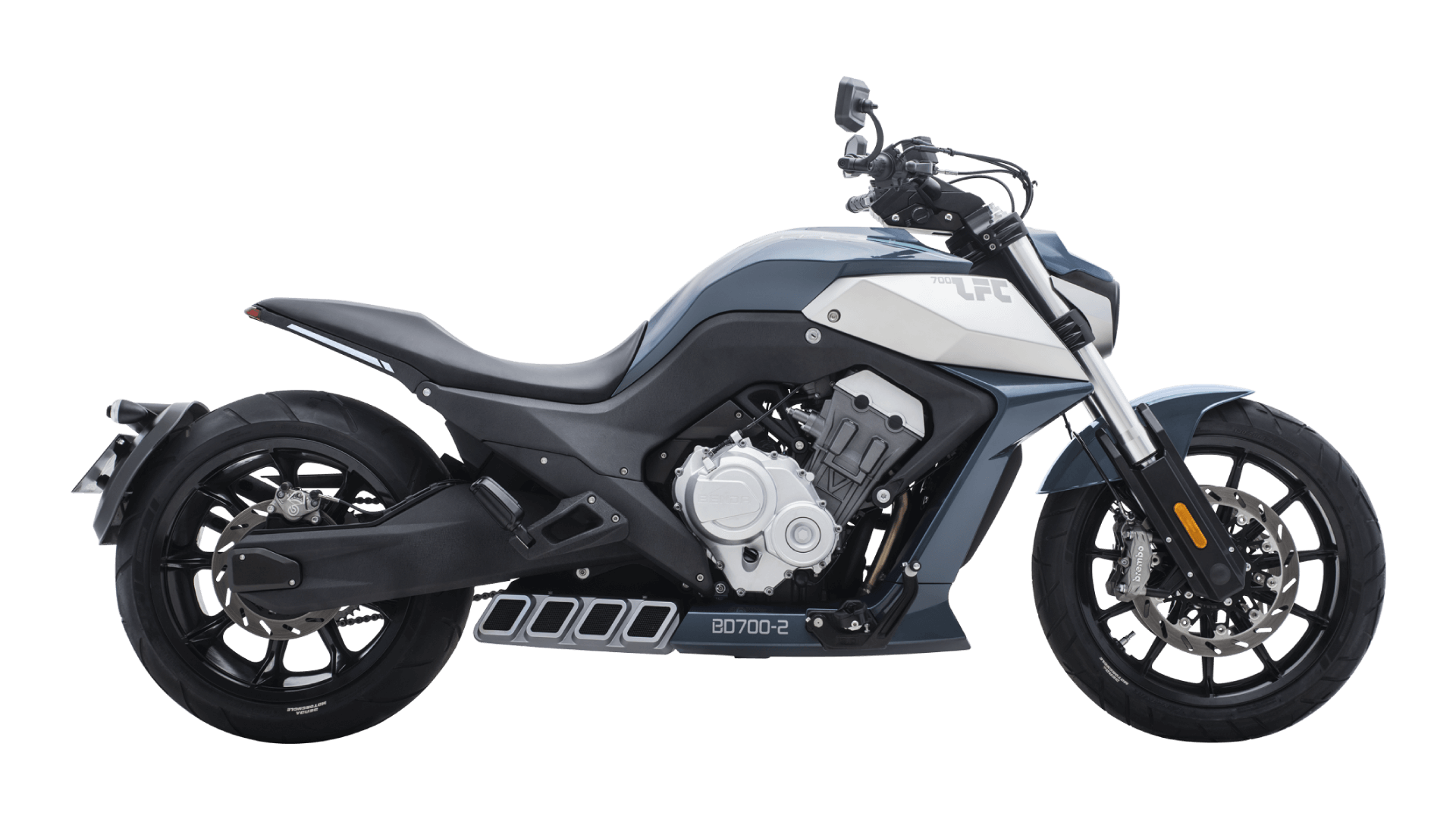
I roll up to a red light on a humid July night, gloves sticky, traffic stacked three lanes deep. A cruiser motorcycle hums under me like a power tool with a pulse. Rider groups say most city miles happen under 35 mph, and stop-and-go eats your focus, your fuel, and your patience. So here’s the twist—are we chasing comfort or control when the asphalt fights back (and the cab behind you leans on the horn)? You want the vibe, sure, but what about the mechanics that keep you smooth? Let’s cut the noise, look at the skills that matter, and check how choices play out when steel, weight, and torque meet real streets. Cool? Next up, the problem under the chrome.

cruiser motorcycle

Part 2: The Hidden Friction Most Riders Don’t See

What’s the real snag?

When folks ask which motorcycle model fits their flow, they often start at paint, pipes, and posture. That’s a vibe, but it hides the real pain points. Most riders don’t talk about heat soak around the knees, the tall first-gear ratio that shudders at crawl speeds, or how a long wheelbase plus a lazy rake angle can turn tight turns into mini wrestling matches. Add a heavy clutch pull, and your forearm becomes the stress point—funny how that works, right? The fix isn’t only power. It’s torque curve shape, gearbox spacing, and how the ECU mapping delivers low-end throttle. Look, it’s simpler than you think: a stable chassis and smooth fueling reduce errors, which lowers mental load, which keeps you safer. And safer feels fast.

Traditional answers miss the roots. Louder exhaust won’t solve abrupt throttle-by-wire. A premium seat won’t mask poor low-speed balance. Without decent ABS modulation, panic stops still skate. If the final drive slaps at low revs, your slow rolls stay choppy. And heat management? Without proper airflow and a smart catalytic converter layout, stoplights become ovens. These are not “nice-to-have” tweaks. They’re daily reality checks. Translate the spec sheet: shorter trail helps agility; a slipper clutch softens downshifts; a wide friction zone makes u-turns calm; and CAN bus aids clean accessory installs. That’s the layer under the polish, the stuff that turns heavy metal into an easy ride.

Part 3: Forward Look—Tech That Makes Heavy Bikes Feel Light

What’s Next

We’re moving from “feel” to “principles.” New tech doesn’t just add chrome; it changes how mass behaves. Inertial Measurement Units feed traction control and cornering ABS, so the bike reads lean angle and adjusts brake pressure before you overthink it. Ride-by-wire lets engineers smooth the first millimeters of throttle, so parking-lot creep stops being a gamble. Liquid cooling and dual fans vent heat sideways, not up your shins. Plus, counterbalancers tame vibration without killing character. Pair that with a cush drive in the rear hub, and low-rpm surges settle down. This is how good cruiser motorcycles evolve—by bending physics, not just flexing muscle. Different tone now, same promise: fewer surprises, more control—on the FDR, on Main Street, on the long run out past the bridge.

cruiser motorcycle

And here’s the comparative punchline: Yesterday’s answers were chrome and displacement. Tomorrow’s wins look like smarter ECU logic, better heat routing, wider steering lock, and adaptive fueling that keeps the torque band friendly. We’re not ditching soul; we’re tuning it. Your hands stay calm because the chassis does the math. Your stops get shorter because ABS can pulse faster than your fingers. Your turns clean up because the rake and trail work with the tires, not against them. Summed up, it’s character plus calm. That mix is the real upgrade—funny how the “tech stuff” ends up making the ride feel more old-school smooth.

Wrap-Up: Choose Right, Ride Easy

Let’s make it simple and measurable. First, assess low-speed control: test the friction zone, feel the clutch effort, and see if the throttle is gentle under 3,000 rpm. Second, grade heat management: check fan behavior at idle, airflow around your knees, and how the catalytic converter warms the tunnel—two lights in, you’ll know. Third, verify brake and balance: try a hard stop with ABS, then a walking-pace u-turn; the bike should stay composed, not twitchy. If the torque curve is usable, the wheelbase and rake angle don’t fight you, and the ECU mapping is smooth, you’ll ride longer with less effort and more grin. The street rewards smart choices—and so does your body after mile 50. Keep it real, keep it light, and let the bike carry the heavy work. For builders who speak this language, keep an eye on BENDA.

October 16, 2025 0 comments
0 FacebookTwitterPinterestEmail
  • 1
  • …
  • 4
  • 5
  • 6
  • 7
  • 8
  • …
  • 10

Recent Posts

  • What Price Accuracy Demands: Rethinking the Digital Price Tag
  • Strange Forecasts for Giant Pixels: Surprising Lessons About Outdoor LED Display Screens in Urban Night Skies
  • A Practical QA Framework for Optics Procurement Officers Auditing Wholesale DPSS Laser Shipments
  • Stretching Margins: Direct-Factory Sourcing Strategies for High-End Wholesale Ski Goggles
  • Blueprint for an Intelligent Edge Gateway Built Around a High-Bandwidth Core IoT Module

Recent Comments

No comments to show.

About

About

CarBlog is a blog specialized in car and automotive industry. Follow us for daily update about new models, drive reviews and much more.

Stay Connect

Facebook Twitter Instagram Pinterest Youtube Email

Popular Posts

  • 1

    Оптический металлический корпус: Устойчивость к неизбежным вызовам

    August 20, 2025
  • 2

    ما الذي سيغيّر قواعد اللعبة؟ رؤية عملية لموجة ابتكار GAC القادمة

    November 4, 2025
  • 3

    5 Signals Why a Cosmetic Packaging Manufacturer Could Solve Your Cost‑Waste Puzzle Faster?

    October 13, 2025
  • 4

    Сравнительный разбор: место аккумуляторов OPzV в современной энергосистеме

    October 3, 2025
  • 5

    Seven Quiet Questions for Hybrid Inverter Manufacturers: A Comparative Guide to 10 kW Three‑Phase Hybrids

    December 16, 2025

Categories

  • Business (114)
  • Global Trade (111)
  • Industry (103)
  • Market (99)
  • Tech (113)

Recent Posts

  • What Price Accuracy Demands: Rethinking the Digital Price Tag

    June 18, 2026
  • Strange Forecasts for Giant Pixels: Surprising Lessons About Outdoor LED Display Screens in Urban Night Skies

    June 17, 2026
  • A Practical QA Framework for Optics Procurement Officers Auditing Wholesale DPSS Laser Shipments

    June 16, 2026
  • Facebook
  • Twitter
  • Instagram
  • Pinterest
  • Youtube
  • Email

All Right Reserved. Designed and Developed by techecho.