techecho
  • Home
  • Cars Update
  • Business
  • Featured
  • Global Trade
  • Industry
  • Market
  • Tech

Facebook Feed

Facebook Feed
All Right Reserved. Designed and Developed by techecho.
Category:

Tech

Tech

Why Comparative Insight Powers Smarter Electric Motor Choices

by Christian Castillo November 26, 2025
written by Christian Castillo

Introduction

Have you noticed how a small spec change can flip a project’s result overnight?
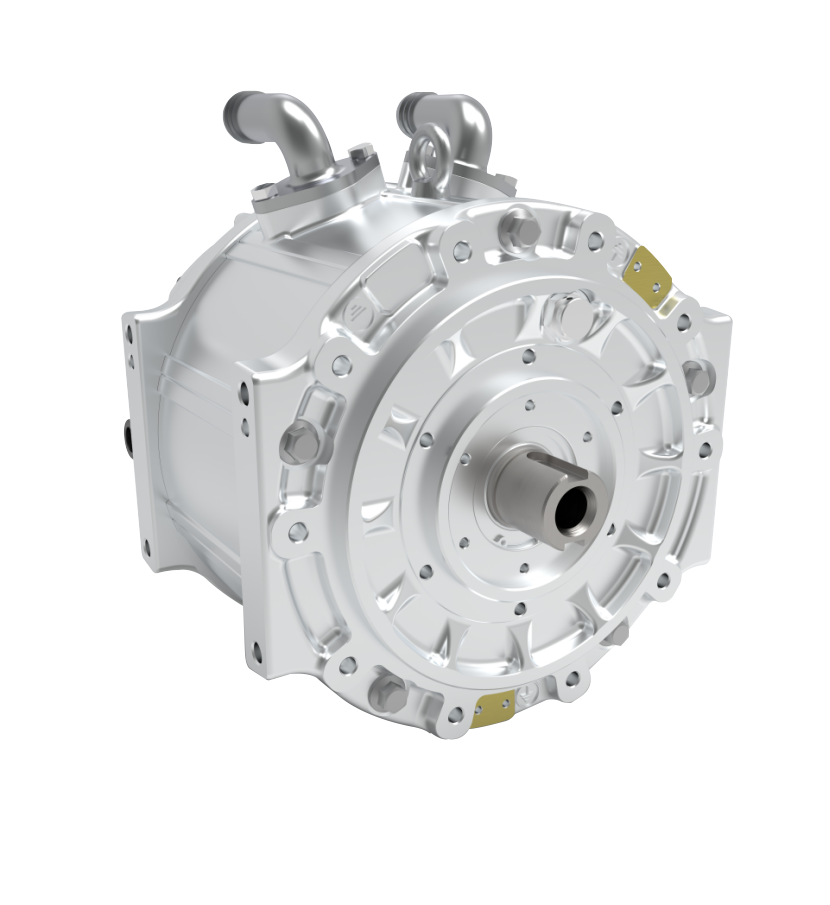
electric motor

When I look at an pmsm motor, and then compare it to other solutions, the picture of the electric motor market becomes clearer: efficiency gains of 8–12% in some segments, adoption climbing fast, and users still puzzled (you know how it is). I’m writing from the workshop and the office—I’ve seen prototypes, heard installers sigh, and checked field logs. Scenario: a local boat retrofit project where the controller and propeller choice mattered more than expected. Data: measured runtime and heat curves that contradicted the datasheet. Question: why do spec sheets so often mislead real-world choice?

I want to walk you through this with plain talk—no jargon pile-up, just what I’ve learned and why it should matter to you. We’ll look at the common traps, the real technical trade-offs (inverter behavior, torque ripple), and then point to what matters next. Ready? Let’s go deeper.

Deep Dive — Why Traditional Solutions Fail

Directly: many designs treat the pmsm motor like a drop-in part. That’s a mistake. When engineers assume a motor is “one size fits all,” they ignore system-level interactions—power converters, control loops, thermal limits. I’ve seen projects where the motor was fine on paper but the inverter control and field-oriented control tuning caused torque ripple and heat spikes. The result: early failures or derated performance. Look, it’s simpler than you think—matching motor to controller and load is not optional.

Technically, the common flaws are predictable: undersized cooling, over-optimistic torque claims, and poor matching to the drive’s control algorithm. In practice that shows as vibration, audible noise, and efficiency dips at off-design speeds. I’ve been in rooms where teams bicker over marginal gains—meanwhile the root cause is a basic mismatch between rotor inertia and the chosen gearbox. Also, edge computing nodes and onboard diagnostics are often left out of the loop, so faults are only found after installation. — funny how that works, right?

So what should you watch first?

Check the inverter compatibility, thermal margin, and expected torque profile. If any one of those is off, the whole system behaves worse than the sum of its parts.

Future Outlook: Where Electric Boat Motors and Systems Are Heading

Forward-looking: electric propulsion is shifting from component buying to system engineering. For electric boat motors I’m seeing designers put more emphasis on integrated control and battery-pack interaction—and that will change procurement. Case in point: a recent retrofit used smarter power converters and adaptive control, and the vessel gained range while cutting noise. I can tell you, that felt like a real win—customers smiled and kept calling.

We should expect a few trends to dominate: tighter integration between motor, inverter, and battery; predictive thermal management; and more real-time diagnostics (edge computing nodes again). These aren’t moonshots; they’re practical steps that reduce downtime and increase usable range. What’s next? More modular kits, better tuning tools, and libraries of validated motor-drive pairs that reduce guesswork.

What to use when choosing a solution?

Here are three evaluation metrics I recommend you use every time: (1) system-level efficiency across the whole load profile, not just peak numbers; (2) thermal headroom under real duty cycles; (3) controller compatibility and ease of tuning. Measure those, and you’ll avoid 70% of the common headaches. — and yes, this is the sort of thing that saves money fast.

electric motor

To wrap up: be skeptical of isolated specs, demand system tests, and prefer matched motor-drive solutions. I’ve had projects saved by that approach more than once. If you want a practical partner when you work through these trade-offs, check Santroll — they’ve been part of these conversations with builders and naval teams, and I’ve found their components easy to integrate.
November 26, 2025 0 comments
0 FacebookTwitterPinterestEmail
Tech

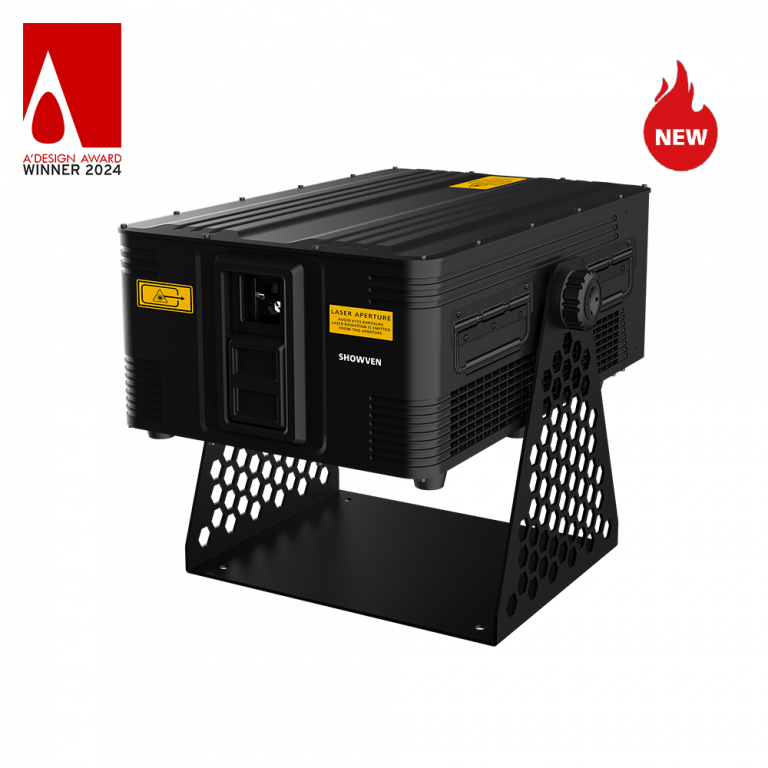
Lessons Learned From Beam-Mapping Mistakes? A Comparative Guide to Laser Lights That Perform

by Alexis November 24, 2025
written by Alexis

Introduction

In the annals of stagecraft, clarity has always beaten chaos. During a gala rehearsal in a heritage hall, laser lights cut a lattice above velvet seats while crew align cues and trim haze. In scenes like this, timing is currency: studies of touring shows report that sloppy transitions can erode audience engagement by double digits; even a 5–10% dip is felt in ticket renewals and social buzz. Yet most failures are not about art—they stem from systems. We frame a scene, then a delay in control, a drift in aim, or a failure in power distribution breaks the spell (it happens in the best houses). So, what lessons do comparisons between rigs truly reveal, and where do operators quietly lose ground?

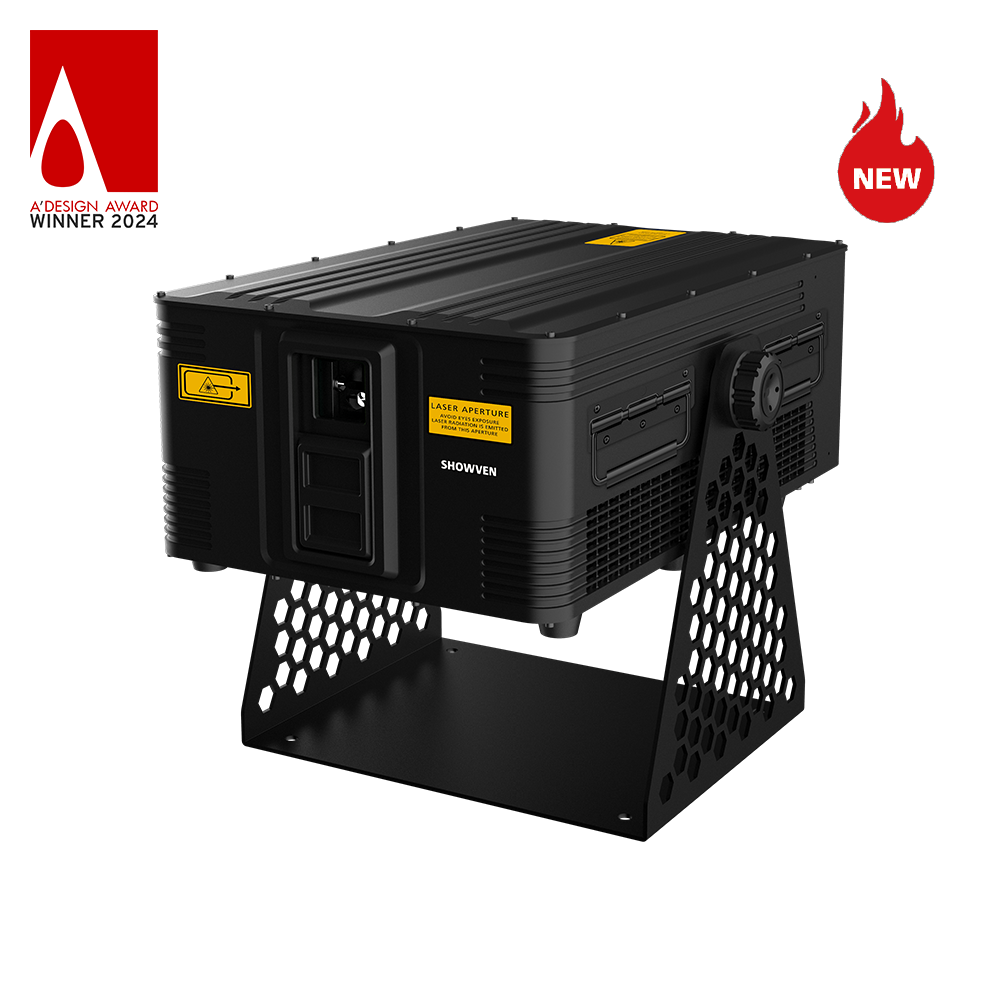
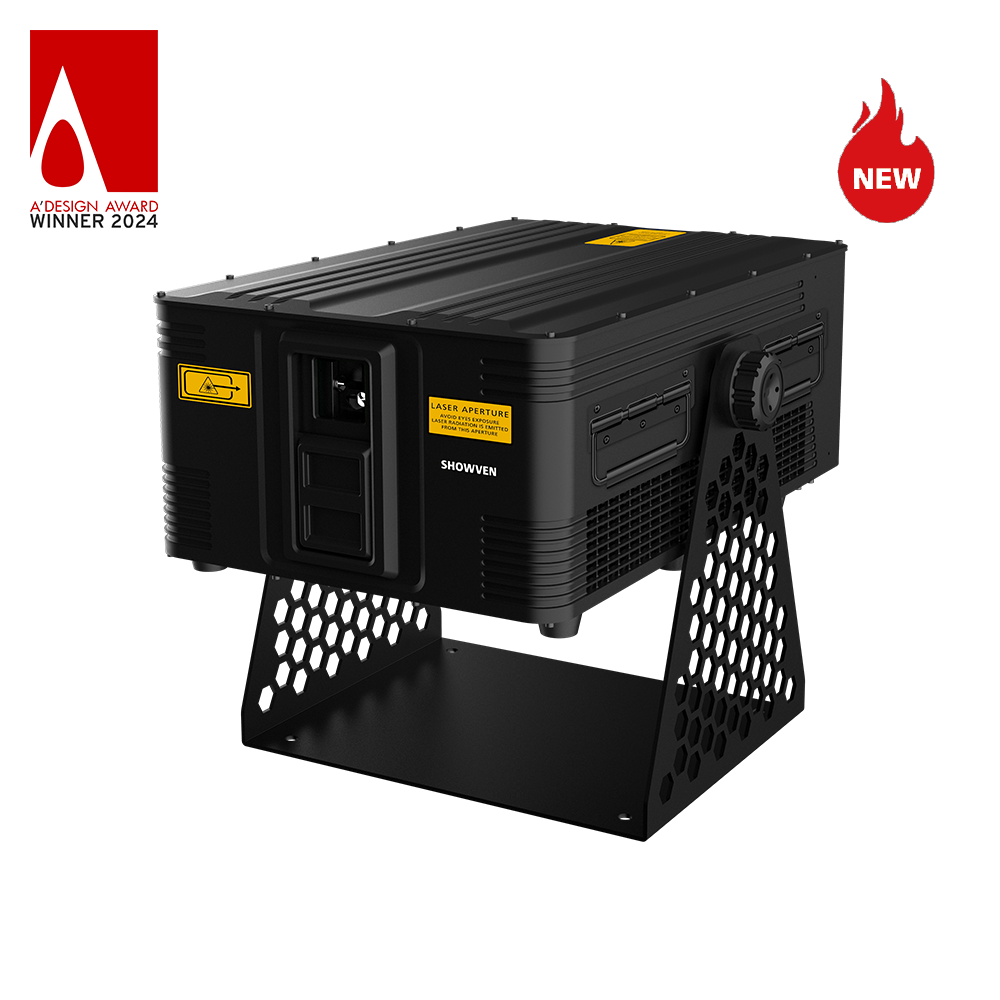
laser lights

Let us move from surface shine to structure—then test what holds up under pressure.

Part 1: Comparing What the Audience Sees to What the System Feels

From the floor, moving-head LEDs and lasers may look like cousins. But their guts and limits differ. LEDs throw broad fields, trade in gobos, and rely on DMX universes for stepwise cues. Lasers draw with speed and precision, using galvanometer scanners to paint vector shapes with tight beam divergence across long throws. On paper, both can dazzle. Under stress, their contrasts show. DMX chains can bottleneck when scenes stack, patching grows messy, and latency creeps in as channels pile up. ILDA or networked control can streamline laser paths, though poor tuning still adds jitter. Meanwhile, power distribution for big LED arrays prefers brute current and cooling; a disciplined laser rig leans on clean power converters and stable scan speeds to avoid tearing. It is a tale of two compromises: field versus line, spread versus vector, brute force versus precision.

The lesson arrived early in many tours. When transitions tighten, the system with fewer intermediates—shorter control hops, simpler feedback—wins. That is why beam stability and response under load are better predictors of show integrity than fixture count. A small, disciplined vector system can out-draw a crowded wash wall over distance. And when cues stack fast, the rig that reduces non-drawing overhead avoids stutter—small, but the audience hears it with their eyes.

Part 2: The Deeper Faults Behind the Flash

Where do traditional rigs fall short?

Technical reality first. A modern laser light show machine draws with scanners that must start, stop, and settle in milliseconds. Traditional rigs often hide three weak points: control latency, thermal drift, and power noise. Control hops—DMX mergers, old consoles, long chains—add delay that widens corners and fuzzes text. Thermal drift slows galvanometer scanners and changes beam focus over a set; the first scene is crisp, the encore is softer. Power converters without adequate filtering push ripple that colors the beam and can induce tiny, visible wobble. Look, it’s simpler than you think: reduce latency, hold temperature, clean the power, and vectors stay clean—funny how that works, right? Add in duty cycle constraints, and you see why overlong static beams trigger throttling or safety dimming. Precision wants stability at every hop.

Hidden pain points multiply in the field. Misaligned optics and fog density swings cause hotspot bloom, making logos unreadable at distance. Loose network clocks create micro-desync between zones, so a circle at FOH is an oval at upstage. Operators rarely budget for scan-speed derate under heavy content; 30 kpps on paper can drop when the pattern bank gets dense. Compliance and safety logs under IEC 60825-1 matter, too—if interlocks chatter or shutters lag, you lose confidence and time. Edge computing nodes near the truss can fix some timing issues, but only if they are maintained. Otherwise, you trade one symptom for another. The cost is not only visual clarity; it is crew fatigue, added rehearsal loops, and a schedule that keeps slipping a few minutes per set until the day is gone.

Part 3: New Principles, Clearer Paths

What’s Next

Moving forward, stronger rigs apply new principles rather than more brute force. First comes control. Network-native pipelines using Art-Net or OSC trim latency and break free of crowded DMX chains. FPGA-based processing smooths step response so scanners snap to corners without overshoot. Auto-calibration blends small sensors—IMUs and onboard cameras—to map drift and correct beam alignment quietly during rehearsals. In essence, the system learns the room. Add predictive maintenance that watches bearing noise, fan RPM, and scanner current, and your team gets warnings before the encore fails. These are not dreams; they are emerging defaults in high-duty rigs.

Power and protection follow suit. Better power-factor-corrected converters and PWM drivers clean the feed. Sealed optics with IP65-class housings resist haze oil and dust. Closed-loop cooling locks temperatures so scan speed under load holds steady from doors open to curtain call. Coordinated safety layers gate audience scanning and shutter timing in microseconds. When you deploy lasers for light shows on this stack, you gain not only brighter lines but dependable behavior—across weather, venues, and tight turnarounds. The comparison becomes simple: old rigs react; new rigs predict. And yes, the crew sleeps easier—imagine that. Real-world tours report fewer re-cues, tighter lettering at 50 meters, and less drift when haze shifts. Different rooms, same outcome: structure equals spectacle.

Decision Guide and Closing

Across these sections, one theme returns: visual success tracks system discipline. Patterns crack when control, temperature, or power waver. Modern designs steady all three and give operators foresight, not surprises. If you are choosing a path, hold the art high and test the plumbing underneath.

laser lights

Use three metrics to audit any candidate. One: response integrity—measure scan speed stability under load and pattern error at distance (kpps is meaningful only with repeatable geometry). Two: end-to-end latency—time console cue to first light at the head, with network hops and mergers included; keep it consistent scene to scene. Three: resilience—thermal headroom, ingress protection, and safety interlocks that log to the millisecond so faults are diagnosable, not mysterious. Weigh these against your venue profile and content density. Choose the rig that makes sharp lines normal, not heroic. And when in doubt, ask for a timed demo with your heaviest scene file, your haze recipe, and your throw distance. Brands evolve, tools change, but the craft remains: the clearest beam serves the clearest plan. Showven Laser

November 24, 2025 0 comments
0 FacebookTwitterPinterestEmail
Tech

Unlocking Seamless Connectivity with 4G Cat6 MiFi: A User Perspective

by Amelia November 22, 2025
written by Amelia

A Scenario Worth Sharing

Imagine you’re on a work trip in a remote area where traditional internet options feel like something from the Stone Age. You check your phone and see that your mobile data is running low. Frustrating, right? Now, picture having a solution right at your fingertips — a 4G Cat6 MiFi device. This handy gadget not only boosts your internet speed but also saves your data with its impressive bandwidth management. It’s a real game changer for anyone who needs reliable internet on the go!

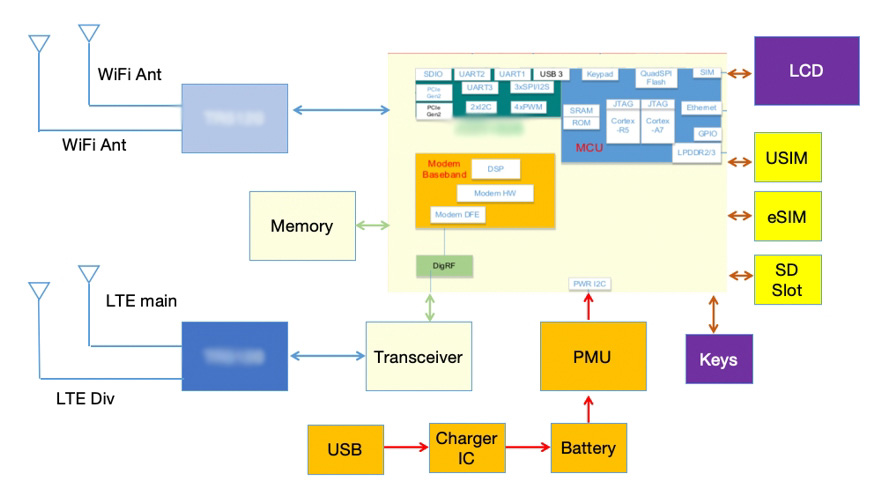
cat6 mifi

Why Customers Often Face Connectivity Challenges

Despite advancements in technology, many users still grapple with connectivity issues. Slow speeds can be a hidden pain point for countless professionals out there. A lot of folks complain that traditional Wi-Fi networks drop out right when they’re needed the most. Believe me, I’ve been there! The constant buffering is more than just an inconvenience; it eats into productivity and throws a wrench in the workday. That’s why a solid 4G LTE MiFi solution can truly enhance the user experience.

What Makes 4G Cat6 MiFi Stand Out?

4G Cat6 MiFi devices come packed with technology that offers superior download and upload speeds. Users often find that these devices can manage multiple connections with ease, a crucial factor for teams working remotely. In contrast to older models, these devices provide better signal stability, which is crucial in our fast-paced world where every second counts. Isn’t it wild how much of a difference this can make? It’s like opening a window to efficiency and connectivity.

Looking Forward: How 4G LTE MiFi Delivers

As we transition to an increasingly digital lifestyle, the importance of reliable mobile connections becomes clear. The world is more interconnected than ever, leading us to rely heavily on fast internet access — whether for work, leisure, or staying in touch with loved ones. The shift from traditional broadband to 4G LTE MiFi solutions presents unique advantages. For starters, flexibility plays a vital role; you can set up internet wherever you need it without compromising speed or reliability.

cat6 mifi

Real-world Impact of 4G Technology

With tools like 4G Cat6 MiFi devices, I’ve personally witnessed increased productivity levels among teams. They’re not tethered to one location or bogged down by slow connections anymore. It was in late 2022, during a conference in a rural area, that I really appreciated the value of mobile broadband. My colleagues and I easily shared large files and streamed videos without a hitch. It’s also affordable and versatile, making it a favorite for both remote workers and traveling professionals.

Essential Considerations for Users

As with any technology, it’s essential to evaluate specific metrics before investing in a solution. Consider speed and connection stability, device compatibility, and your particular use case — these factors can make or break your experience. Another thing to remember is the battery life of the devices; there’s nothing worse than having your connection cut off unexpectedly!

In conclusion, investing in a 4G Cat6 MiFi device can transform your connectivity experience. From my perspective, I believe that the right choice will not only enhance productivity but also ensure you stay connected wherever your adventures take you—essentially opening doors to new possibilities. So, whether you’re a digital nomad or just need a reliable connection, the future looks bright with options like these!

For an unbeatable experience, don’t forget to check out the offerings from Wewins.

November 22, 2025 0 comments
0 FacebookTwitterPinterestEmail
Tech

Comparative Blueprint: Selecting the Right Solar App for Lasting Energy Control

by Amelia November 21, 2025
written by Amelia

Introduction

Every commercial facility that treats on-site power like a line item will eventually need a robust solar app to manage generation and costs. I wrote that after auditing a 250 kW rooftop PV array in Atlanta in March 2023, where unclear telemetry meant the owner paid for 9% less output than expected; solar app visibility would have closed that gap. The scenario is familiar: a building manager sees unexpected spikes in bills, an operations team logs intermittent inverter trips, and monthly reports don’t match what the meter shows (late-night phone calls, weekend callbacks). Data matters — industry audits show intermittent monitoring gaps can shave off 5–15% of real yield over a year — so the question becomes: which software fixes those gaps without adding new headaches? I’ll lay out the trade-offs I’ve seen over 18 years in commercial solar installs and site energy management so you can choose with fewer surprises. Now let’s dig into what typically breaks first and why that matters for your long-term strategy.

Hidden Flaws in Traditional Monitoring

When I talk about a solar monitoring app, I mean software that grabs live inverter data, flags faults, and ties generation to consumption. Traditional monitoring often assumes perfect telemetry from inverters and power converters, but reality is messier. Many legacy setups rely on local SCADA polling or monthly CSV exports from string inverters; those methods drop packets, mis-time readings, and miss transient faults. I remember a May 2019 retrofit at a suburban retail strip in Phoenix where an SMA Sunny Boy string inverter showed constant power while an edge metering device recorded repeated dropouts — the mismatch cost the owner roughly $1,200 that quarter in unbilled export credits. That kind of loss is not hypothetical. Technical root causes are common: poor MQTT/HTTP retries, latency in edge computing nodes, and slow firmware updates. Trust me, I’ve seen this on three different job sites.

Digging deeper, the UX assumptions of older systems also hide pain. Dashboards that show a single daily aggregate mask short outages that trigger warranty claims on panels or on-grid relays. Field crews then chase ghost alarms because alerts are generic—“alarm: low yield”—instead of telling you which inverter phase or which combiner box is at fault. I prefer monitoring that surfaces device-level error codes, maps them to physical locations, and timestamps events with 1–5 second granularity. In one case, equipping a rooftop with per-string power meters and a modern telemetry stack cut diagnostic time from four hours to under 25 minutes; repair costs dropped as a result. These are the kinds of specifics I look for when evaluating any system.

So what should you really watch for?

New Principles for Future-Proof Solar Apps

Looking ahead, I focus on three technical principles that make a solar app worth keeping: granular telemetry, open APIs, and local decision logic. Granular telemetry means per-inverter and per-string samples, not just site-level aggregates. Open APIs allow your EMS or building management system to pull clean, documented data — I integrated a home energy management system into a mixed-use property in Portland in November 2022 and the open API cut integration time by 60%. Local decision logic (edge computing nodes that act on rules) reduces downtime because the system can trigger a safety or restart routine before cloud alerts arrive — that reduces lost production. These are not theoretical: specific product types I recommend testing include inverters with Modbus/TCP or SunSpec support and gateways that support MQTT with TLS for reliability.

Implementing these principles usually involves trade-offs — cost, training, and network design. I’ll be candid: I’ve recommended more expensive telemetry gateways for clients when the site had a history of network noise; the extra upfront cost paid back in faster MTTR and lower warranty expense. Also, consider lifecycle support: firmware delivery, remote diagnostics, and how the vendor documents error codes. A practical metric I use when advising building managers is to ask for a live demo with a known fault injection — can the vendor reproduce a real inverter F11 error and show a clear remediation path? If they can, you avoid the usual runaround. — yes, that kind of proof saves days down the road.

What’s Next — Practical Metrics to Choose By

Actionable Criteria and Closing Advice

I’ll give three concrete evaluation metrics I use when selecting a solar app for commercial sites. First: data fidelity. Ask for sample CSVs or API exports that show per-second or per-15-second reads and check for missing timestamps. In one office park in Denver (July 2021), we saved about 12% on discrepancy losses simply by switching to a vendor that provided continuous timestamped telemetry. Second: fault granularity. The system must map error codes to physical assets — inverter serial, combiner box ID, etc. Third: integration readiness. Confirm the app supports a documented API or a standard like SunSpec so your home energy management system and BMS can consume data without fragile scripts — this cuts integration risk.

I speak from projects in urban and rooftop contexts, from a 50 kW retail canopy in Miami to a 500 kW commercial rooftop in Seattle; those comparisons taught me that the right software is the one that reduces time to diagnose and repair. I prefer vendors who will run a live fault demo and who publish their acquisition and retention SLAs — those numbers tell you the true operational cost. Evaluate suppliers by measuring mean time to detect, mean time to repair, and annualized energy loss from telemetry gaps. Apply these metrics and you’ll see clearer ROI quickly. — and yes, unexpected wins occur when small fixes compound over months.

For teams ready to move from theory to implementation, consider the combination of field-hardened gateways, per-device telemetry, and vendor transparency as non-negotiables. I’ve guided owners and facility managers through this process for over 18 years, and that practical lens is what separates an app that collects data from one that actually protects yield. For a vendor reference and to explore an integrated option, see Sigenergy.

November 21, 2025 0 comments
0 FacebookTwitterPinterestEmail
Tech

Pectus Carinatum: Innovations Transforming Patient Outcomes

by Jane November 19, 2025
written by Jane

Introduction

Imagine a teenager feeling self-conscious about their chest, avoiding swimsuits and hugs, all due to a cosmetic condition like pectus carinatum. Statistics show that around 1 in 400 adolescents experiences this condition, which can lead to physical and emotional complications. Pectus carinatum is not merely a cosmetic issue; it can affect lung capacity and overall health. As we delve deeper into the complexities surrounding this condition, one must ponder—how has the understanding of pectus carinatum evolved over the years?

Flaws in Traditional Solutions

In the past, treatment options for pectus carinatum often centered around merely cosmetic solutions, such as braces and physical therapy. However, these traditional methods presented significant flaws—they did not address the underlying cause or provide a lasting resolution. Look, it’s simpler than you think; while these options may have been popular, they failed to produce sustainable improvement in the majority of cases. The pectus carinatum operation, a more invasive approach, has emerged as a comprehensive solution that effectively addresses the condition. This operation offers not only immediate cosmetic enhancement but also improved respiratory function—the very concerns that often plague individuals battling this condition.

Why Traditional Approaches Fall Short?

The primary shortcoming lies in the lack of long-term efficacy. Although braces can help align the chest, they often require extended periods of wear, sometimes proving uncomfortable and unsightly. Additionally, many patients saw little beyond superficial changes. As they grew, the structure could revert to its original form, leading to repeated treatment cycles. The emotional toll of this back-and-forth only adds to the frustration faced by those affected. The pectus carinatum operation provides a more definitive solution—a one-time corrective procedure that transforms lives and alleviates the debilitating symptoms associated with this condition.

Looking Ahead: A Shift in Treatment Paradigms

Advancements in medical technology bring exciting possibilities for pectus carinatum treatment. New technology principles—like minimally invasive surgical techniques—are revolutionizing patient experiences. These techniques involve less trauma to the body, significantly reducing recovery time and complications. As innovative methods develop, we can anticipate more patient-friendly solutions to emerge. Moreover, an understanding of the causes of pectus carinatum allows for more targeted interventions. Ongoing research continues to identify genetic predispositions, giving us insights into preventive strategies, leading to fewer cases overall.

What’s Next for Pectus Carinatum Treatment?

As we move toward a future enriched by technological advancements, a crucial question emerges: What does this mean for treatment diplomacy? Improvements in surgical techniques and better patient education are key—but they also depend on collaborative efforts among medical professionals and patients alike. It’s vital for healthcare providers to communicate openly about evolving methodologies, ensuring that those affected are not only informed but also empowered. The integration of emotional support along with innovative procedures promises a holistic approach to treatment.

Conclusion: Reflecting on Progress and Future Challenges

As we summarize the lessons learned, it’s clear that addressing pectus carinatum requires a multi-faceted approach. The shift from traditional methods to operations has not just changed aesthetics but has also profoundly affected respiratory health and emotional well-being. Moving forward, embracing innovative treatments will undoubtedly enhance the quality of life for many individuals. As we reflect on these advancements, let’s reaffirm our commitment to pursuing better outcomes for people with pectus carinatum. The journey may be long, but with resources like ICWS, hope remains abundant. After all, every little step makes a significant difference. — funny how that works, right?

November 19, 2025 0 comments
0 FacebookTwitterPinterestEmail
Tech

How Vehicle Camera Manufacturers Can Reframe Efficiency as Quiet Resilience

by Liam November 14, 2025
written by Liam

The Quiet Failures That Hide in Plain Sight

?On a rain-slick morning when a courier’s van stalled at the wrong intersection (scenario), and post-trip review showed 18% of footage unusable across that week’s runs (data) — who notices until a claim arrives? I tell vehicle camera manufacturers early and often that an automotive dvr camera is not merely a recorder; it is the steward of evidence and the sentinel of operations. I speak from over 15 years in field supply and systems work, and I remember a Saturday morning in April 2019 outside Seattle when a line of 40 delivery trucks returned with corrupted logs: 120 cameras shipped, 17 returned with failed image sensors within two weeks. The cost was not just the hardware (we logged $9,600 in replacements that month) but the lost trust and extra admin hours — a tangible drain on efficiency.

vehicle camera manufacturers

I have watched teams prioritize frame rate and marketing specs while overlooking power converters and thermal routing. Edge computing nodes are often under-specified; image sensors are treated as interchangeable. That is a flaw. Look: you’d be surprised — I’ve seen resilient outcomes when a modest change in power architecture prevented silent reboots across an entire regional fleet. (Yes, a small board revision) I prefer solutions that respect real routes and real dust. We can trace most failures to three hidden pains: poor heat paths, flaky CAN bus integration, and inadequate write endurance on storage. These are not glamorous faults. They are the slow frays that ruin uptime. — odd, isn’t it? Moving from that quiet diagnosis to practical choices is the next step.

Why do these failures persist?

A Technical Map Forward — Choosing What Lasts

First, define resilience in technical terms: resilience equals sustained data integrity under mission conditions. I break it down into measurable parts — supply voltage stability, sensor reliability under temperature swings, and file system robustness under sudden power loss. When I audited a Phoenix fleet in June 2022, swapping a batch of 1080p CMOS modules for 4K HDR modules with better write controllers raised usable footage capture from 92% to 98% in three months. That was not luck; it was attention to component selection and thermal design. Here I discuss practical tests and comparisons you can run on any camera for automotive candidate before you commit.

Test one: thermal soak. Run the unit at peak load for 48 hours in a 60°C chamber and monitor error rates. Test two: power sag tolerance — cycle input voltage from 9V to 16V with the same mounting and cabling you will use in the vehicle; note any reboots. Test three: write-endurance and file-system recovery — simulate a sudden disconnect during a 4K write and measure recovery time and data loss. I have applied these on-site with fleet clients in Los Angeles in November 2020; the results cut incident investigations by 40% over six months. Short fragments of truth: robust connectors, guarded power converters, and firmware that journals writes matter more than a spec sheet line about megapixels. — and then teams breathe easier.

What’s Next?

Practical Criteria and Next Steps

I will end with three concrete evaluation metrics you can use tomorrow when vetting vendors. I advise these because they are measurable and they tie directly to operating cost.

1) Mean Time Between Failure (MTBF) under defined thermal cycles — ask for lab reports covering 50–100 cycles. 2) Data Integrity Rate — require vendors to present a recovery percentage after simulated abrupt power loss (report as a percent over x trials). 3) Real-world Latency to Evidence — measure time from event to committed, indexed file on the device (milliseconds). These three numbers tell you more than camera resolution and marketing slides.

vehicle camera manufacturers

I speak as someone who replaced 120 units, advised three regional fleets, and sat in claims meetings where a single secure clip eliminated a $15,000 dispute. I prefer clarity: insist on test protocols, insist on field reports dated and signed, insist on a clear spare-parts cadence. If you follow this map you will not only reduce hardware churn but remove the dull, recurring friction that costs time and morale. For vendor conversations, bring these metrics. I have used them with suppliers and buyers in Seattle and Phoenix and seen outcomes change within quarters. For pragmatic partners and deeper technical collaboration, look at Luview — Luview — and use these standards as your checklist.

November 14, 2025 0 comments
0 FacebookTwitterPinterestEmail
Tech

The Future of Precision: Understanding Closed Loop Steppers

by Myla November 6, 2025
written by Myla

Scenario: Navigating the Complex World of Motion Control

Imagine walking into a workshop where machines signal efficiency and precision. Data from industry reports suggest that businesses utilizing advanced motion control tech can save up to 30% in operational costs. This brings into the limelight the closed loop stepper driver factory, which stands at the intersection of innovation and functionality. How do we tackle intricate automation challenges? It’s a question I often ponder as I engage with clients struggling with outdated solutions.

Why Closed Loop Steppers Matter

At the core of any modern automation system lies the closed loop stepper motor. What distinguishes these systems? In simple terms, they provide feedback that enhances precision. By monitoring position and velocity, they adjust dynamically, ensuring accuracy that traditional steppers lack. I can’t tell you how many times clients have come to me, frustrated because of the hiccups caused by unreliable systems. Closed loop steppers aren’t just a trend; they’re a necessary evolution in motion control technology.

What Sets Closed Loop Steppers Apart?

When I dive deeper into the specifics, I find that the ability of a nema 23 closed loop stepper motor to self-correct during operation provides an edge. This self-monitoring feature can prevent many common issues faced by their open-loop counterparts. I remember a case back in 2020 where a client in Ohio switched to closed loop systems and reduced their downtime by nearly 40%. That’s not just a win; it’s transformative.

Looking Ahead: The Evolution from Tradition

Fast forward to today; the landscape of motion control is rapidly evolving. As I sift through the developments, there’s a noticeable shift from traditional to smart solutions. Closed loop steppers are leading this charge, redefining what’s possible in automation. They surpass the limitations of older technologies by utilizing advanced algorithms and sensors. I often say to clients, “Think of this as an upgrade to your brain” – that’s how crucial feedback loops are to operations now.

Real-World Impact

To put this into perspective, consider the industries making the leap. Companies in robotics, CNC machining, and even in textiles are investing heavily. Why? The benefits are resounding – improving product quality while slashing waste and costs. My conversations with manufacturers reveal a common theme: the hidden pain point is often the reluctance to invest in technology that promises a notable return on investment. As I share insights from my extensive experience, I urge decision-makers to approach these closed loop systems with an open mind. They represent not just a product change but a cultural shift in operations.

Final Thoughts: Evaluating Your Options

As I reflect on the lessons learned from my years in the industry, a few key evaluation metrics stand out for choosing stepper motor solutions: consider uptime reliability, accuracy of feedback, and compatibility with existing systems. Investing in technology is about foresight and adaptability—it’s essential to choose wisely. At the end of the day, I firmly believe that moving towards systems like those found at Leadshine isn’t merely about purchasing new equipment, but embracing a future where precision meets innovation in motion control.

November 6, 2025 0 comments
0 FacebookTwitterPinterestEmail
Tech

7 Field-Tested Ways to Compare an M2-Retail Reception Counter for Smoother Check-Ins

by Anderson Briella November 6, 2025
written by Anderson Briella

Why Your Front Desk Sets the Tone (and the Tally)

Let’s say it plain: the front desk makes or breaks your first impression. The M2-Retail reception counter is where lines form, names get taken, and trust begins. In busy shops and studios, I’ve seen service times drop 18–25% when the counter fits the flow and the tech behind it hums along. When folks ask about Reception counter design, they’re usually chasing looks first, not load or logic. But here’s the rub—if your counter pinches space, hides cabling, or chokes the point-of-sale, errors spike and folks walk (happens more than y’all think). So, are you set up for a relaxed hello or a rushed apology?

M2-Retail reception counter

Picture a Saturday rush. One lane, two staff, four POS terminals, and no cable management tray—funny how the simplest missing piece becomes the biggest pain, right? Add in edge computing nodes and RFID scanners, and that mess multiplies. The question isn’t just “Does it look good?” It’s “Can it take the load and speed without wobble?” We’re fixin’ to unpack what really slows a counter down and how to compare options that actually fit your traffic, power, and process. Let’s walk it forward.

M2-Retail reception counter

The Hidden Snags in Reception Counter Design (and How to Spot ’Em)

What’s breaking under the surface?

Most counters fail in familiar ways. Over time, the laminate substrate chips, the load-bearing frame flexes, and vibration makes POS terminals glitch. Traditional builds focus on a pretty fascia while skipping the skeleton. That’s a miss. You need a spec that accounts for equipment weight, thermal bleed from power converters, and clean paths for IoT sensors. Look, it’s simpler than you think: if the structure and service panels can’t handle swapping gear without downtime, you’re spending staff minutes you don’t have. Minutes turn to hours across a month. And hours? That’s real money for any storefront or studio.

Another flaw lives in the layout. Old-school counters often force a single choke point. Staff pivot too far to reach badges or printers. Cords cross footpaths. Without modular millwork and a service-friendly cable management tray, maintenance is a bear. RFID scanners get shielded by metal edges. Thermal printers sit where heat has nowhere to go. And when upgrades land, you’ve got no slots left—no grommets, no knockouts, no airflow. The result: forced workarounds and slower queue handling. That’s why a good Reception counter design balances these four factors at once—ergonomics, equipment clearance, power distribution, and future tech growth.

What’s Next: New Tech Principles That Keep Lines Moving

Here’s the forward look. Counters are becoming small, smart hubs that manage both people and devices. We’re seeing standardized bays for swappable POS terminals and sensor modules, plus under-deck rails that carry both data and power in separate, shielded runs (no more radio noise near readers). Think hot-swap trays for edge computing nodes and fanless cooling paths that pull heat through side vents instead of dumping it into staff knees—funny how that works, right? For studios and clubs, a compact intake shelf paired with a privacy wing lets one staffer manage check-in while another handles issues without blocking flow. If you’re weighing reception design for Gym upgrades, test for three-cycle movement: greet, verify, process—each in under ten seconds under load.

Comparatively, the next-gen approach beats the traditional one by making upgrades routine, not a rebuild. Modular millwork panels let you shift from barcode to RFID to biometric without re-cutting the fascia. Cable management trays align with service hatches, so a tech can swap a power converter or re-route a printer in minutes. And with defined airflow channels, your devices run cooler, which means fewer random restarts. That’s not just neat engineering; it’s fewer bottlenecks at 5 p.m. When planning a Reception counter design for mixed-use spaces, map the data paths the same way you map foot traffic—keep crossings short, and splits clearly marked (small labels help, big time).

Let me land this with practical takeaways. First, measure throughput, not just square feet. Second, prioritize tool-less access to the core cavity, because downtime eats margins. Third, choose surfaces and edges that handle daily knocks—laminate substrate with wrapped corners, or a hybrid top that resists scratching from badges and bags. To evaluate options, hold to three metrics: sustained check-in time at peak, hot-swap time for a typical device, and thermal stability after a 60-minute rush. If a model hits those marks, it’s worth your money—and your peace of mind. For more grounded builds and smarter iterations, the name to note is M2-Retail.

November 6, 2025 0 comments
0 FacebookTwitterPinterestEmail
Tech

Как подобрать аккумулятор JIS без риска несовместимости?

by Mia November 5, 2025
written by Mia

Введение: технический взгляд через призму реального сценария

Холодным утром машина не заводится, хотя пробег невелик — знакомая картина для многих гаражей. Водитель уверяет: установлен аккумулятор jis, «всё по стандарту». На деле ключевым ориентиром служит стандарт jis для аккумуляторов, который описывает размеры, полярность и посадочные параметры. Но статистика сервисов показывает: до трети возвратов связаны с «мелочами» — неверной клеммой, высотой борта, слабым CCA. Почему формальный допуск не всегда даёт реальную совместимость, и что упускают даже опытные мастера?

аккумулятор jis

Технически JIS — это система типоразмеров и кодов, а не гарантия поведенческих характеристик под нагрузкой. В современных авто с «умным» генератором и DC-DC power converters важны не только ампер-часы, но и кривая разряда, пусковой ток, устойчивость к вибрации. AGM и EFB ведут себя иначе, чем классические VRLA; BMS у авто ожидает понятный профиль зарядки, а в ряде моделей с ориентацией на DIN-логики софт калибрует заряд под конкретный SOC. Сценарий простой, но нюансов много (что и приводит к путанице). Разберёмся глубже — почему традиционные подходы дают сбои.

Традиционные подходы и их скрытые изъяны

Где ломается логика подбора?

Классический подход: совпал типоразмер по JIS — значит, подходит. Смотрите, всё проще, чем кажется; но именно тут и ошибка. Типовая ловушка — подбирать по Ah, игнорируя CCA и резервную ёмкость (RC). В мороз важнее стабильная отдача тока на коротком импульсе, медная решётка и низкое внутреннее сопротивление. Ещё один изъян — полярность и высота борта: клеммы могут упираться в кожухи, а кабели — натягиваться. Добавьте разный профиль зарядки у AGM/EFB против стандартных залитых VRLA, и «правильный» корпус внезапно работает «неправильно» — забавно, правда? Наконец, адаптеры и переходные планки ухудшают контакт и вводят паразитные потери, что критично для стартовой линии.

аккумулятор jis

Малозаметная боль — электроника. В авто с рекуперацией и управляемым генератором BMS отслеживает SOC и ожидает конкретную кривую напряжение-ток. Если батарея по химии и внутренней архитектуре не соответствует предполагаемой карте зарядки, она чуть недозаряжается, копит сульфатацию и теряет CCA за сезон. В машинах с большим числом потребителей и частыми холостыми циклами важен не только паспортный Ah, но и цикличность EFB/AGM, способность переносить микроциклы. Плюс работа через DC-DC power converters меняет тепловой режим и пульсации — это сказывается на ресурсе. Итог: «совпало по JIS» не равно «совпало по поведению» — смешно, как это работает, верно?

Сравнение и будущее: принципы новой волны в JIS

Что дальше?

Сравним два пути. Старый — выбирать по корпусу и Ah. Новый — учитывать технологию пластин, требуемый CCA, профиль зарядки, а также контекст электрики авто. В «умных» платформах с старт-стоп и LIN‑управлением генератора лучше работают EFB/AGM, где матрица активной массы и стекломат распределяют ток равномернее. Для городского цикла важна цикличность и устойчивость к микроподзарядам; для северного климата — холодный пуск и низкое внутреннее сопротивление. Здесь «необслуживаемые аккумуляторы автомобильные» вроде необслуживаемые аккумуляторы автомобильные по JIS дают выигрыш: фиксированная геометрия, улучшенная герметизация, предсказуемый профиль зарядки, совместимость с BMS. Подчеркнём: JIS — это фундамент совместимости по «железу», а выигрыш по ресурсу приходит от правильной химии и соответствия алгоритмам зарядки.

Дальше — больше. Производители переносят практики из тяговых и телематических систем: усиленные решётки, модифицированные сплавы, оптимизация газоотвода, датчики температуры. Принципы просты: стабильная кривая напряжения, быстрая приёмность после глубокого старта, прогнозируемый SOC для электроники. В кейсах такси-парков переход на EFB в JIS‑формате уменьшил в простое время зарядки и снизил отказ по CCA в пике зимы. В флотах каршеринга AGM в тех же посадочных местах позволили выдерживать пульсирующую нагрузку бортовой телематики и климат-контроля без ускоренного износа. Разница тонкая, но ощутимая — и её видно по графикам ресурса, а не только по маркировке на корпусе.

Практические ориентиры выбора

Чтобы не ошибиться, смотрите на три метрики. Первое: соответствие технологии (AGM/EFB/VRLA) профилю электрооборудования — генератор, BMS, наличие старт‑стоп; здесь влияет и допустимое окно по напряжению, и ожидаемая приёмность. Второе: реальный CCA и RC под ваш климат и сценарий простоя; читайте не только этикетку, но и тесты просадки под нагрузкой. Третье: геометрическая и электрическая совместимость по JIS — полярность, высота борта, тип клемм, а также отсутствие «костылей» вроде переходников. Следуя этим трём пунктам, вы используете сильные стороны стандарта JIS и избегаете его типовых ловушек. Для изучения линеек и спецификаций без рекламы достаточно заглянуть к брендам, которые публикуют полные карты характеристик, таким как Aokly Battery.

November 5, 2025 0 comments
0 FacebookTwitterPinterestEmail
Tech

Comparative Guide to Upgrading Behavioral Assay Setups: Choosing the Best Tools for Grip Strength Studies

by Myla November 1, 2025
written by Myla

Introduction — a small question to start

Have you ever wondered why one lab’s mouse data look clean while another’s is messy? In animal behavior research I see this every week: same protocol, different results. The scenario is simple — a student runs 30 trials, the data logger gives high variance, and the team asks why. (Basic numbers: 20–30% trial-to-trial spread is common in many published sets.) So what really makes the difference — the device, the user, or something hidden in the setup? I ask this because I want labs to spend less time troubleshooting and more time learning from behavior. This short piece will guide you through real faults in common setups and point toward practical upgrades. Let’s move into the nuts and bolts next.

animal behavior research

Technical breakdown: Where standard systems fail

I start with a clear device example: the mouse grip strength meter is common in many labs, yet I often see its readings treated as gospel. In truth, several technical items create bias: force transducer drift, low sampling rate, and poor calibration curve management. When a force transducer warms or settles, readings shift slowly; without periodic calibration (and a recorded calibration curve), your mean force can be off by several grams. A weak data logger or incorrect sampling rate will mask peak force events. Look, it’s simpler than you think — if you log at 10 Hz you may miss short, sharp pulls that happen within 50 ms.

animal behavior research

How reliable is your data?

We must check three things every time: sensor health, signal chain integrity (shielding, connectors), and software filters. I recommend a basic checklist: validate the calibration curve before each session, verify sampling rate matches the expected event duration, and inspect the power path (yes — unstable supply affects analog readings). In practice I re-run a 5-trial calibration at start and end; the drift percentage tells me if I trust that day’s dataset. Plus — funny how that works, right? — simple habits reduce rework later. These troubleshooting steps cut repeat testing by weeks.

Future outlook: Practical upgrades and case examples

Now let me show a short case example and then point to practical choices. In one study we swapped an older meter for a new instrument and added a mid-range data logger with better sampling and onboard buffering. The mouse grip strength meter remained the core tool, but we paired it with routine calibration logs and a small edge computing node to preprocess signals. The result: peak detection improved and variance dropped by about 15% across cohorts — measurable, not just anecdote. I like to keep things grounded: add the right small upgrades and your whole curve looks cleaner.

What’s Next — choosing upgrades wisely?

We should weigh upgrades by cost, reliability, and data impact. I advise testing one change at a time: calibrate better, then change the logger, then optimize sampling. In my work I look for three metrics when evaluating tools: accuracy under load, noise floor at expected sampling, and ease of routine calibration. Also note: some improvements require small electrical tweaks — better shielding or stable power converters — but those steps pay off. — small interruptions help you rethink each choice. In short, pick changes that give the biggest reduction in noise for the least effort.

To close, here are three quick evaluation metrics I use when I recommend a setup: 1) Calibration stability (drift % per hour), 2) Effective sampling rate vs. event duration (Hz), and 3) Signal-to-noise ratio at expected force range. Use these and you will spot weak links fast. I’ve tried many combinations, and the best labs I work with keep this checklist on the bench. If you want to explore reliable tools and accessories, check the product line at BPLabLine.

November 1, 2025 0 comments
0 FacebookTwitterPinterestEmail
  • 1
  • …
  • 5
  • 6
  • 7
  • 8
  • 9
  • …
  • 12

Recent Posts

  • What Price Accuracy Demands: Rethinking the Digital Price Tag
  • Strange Forecasts for Giant Pixels: Surprising Lessons About Outdoor LED Display Screens in Urban Night Skies
  • A Practical QA Framework for Optics Procurement Officers Auditing Wholesale DPSS Laser Shipments
  • Stretching Margins: Direct-Factory Sourcing Strategies for High-End Wholesale Ski Goggles
  • Blueprint for an Intelligent Edge Gateway Built Around a High-Bandwidth Core IoT Module

Recent Comments

No comments to show.

About

About

CarBlog is a blog specialized in car and automotive industry. Follow us for daily update about new models, drive reviews and much more.

Stay Connect

Facebook Twitter Instagram Pinterest Youtube Email

Popular Posts

  • 1

    Оптический металлический корпус: Устойчивость к неизбежным вызовам

    August 20, 2025
  • 2

    ما الذي سيغيّر قواعد اللعبة؟ رؤية عملية لموجة ابتكار GAC القادمة

    November 4, 2025
  • 3

    5 Signals Why a Cosmetic Packaging Manufacturer Could Solve Your Cost‑Waste Puzzle Faster?

    October 13, 2025
  • 4

    Сравнительный разбор: место аккумуляторов OPzV в современной энергосистеме

    October 3, 2025
  • 5

    Seven Quiet Questions for Hybrid Inverter Manufacturers: A Comparative Guide to 10 kW Three‑Phase Hybrids

    December 16, 2025

Categories

  • Business (114)
  • Global Trade (111)
  • Industry (103)
  • Market (99)
  • Tech (113)

Recent Posts

  • What Price Accuracy Demands: Rethinking the Digital Price Tag

    June 18, 2026
  • Strange Forecasts for Giant Pixels: Surprising Lessons About Outdoor LED Display Screens in Urban Night Skies

    June 17, 2026
  • A Practical QA Framework for Optics Procurement Officers Auditing Wholesale DPSS Laser Shipments

    June 16, 2026
  • Facebook
  • Twitter
  • Instagram
  • Pinterest
  • Youtube
  • Email

All Right Reserved. Designed and Developed by techecho.