
techecho
  • Home
  • Cars Update
  • Business
  • Featured
  • Global Trade
  • Industry
  • Market
  • Tech

Facebook Feed

Facebook Feed
All Right Reserved. Designed and Developed by techecho.
Category:

Business

Business

Balancing Choices: Optimizing Cell Lifespan in Industrial Hybrid Inverters — Active vs Passive

by Elizabeth March 26, 2026
written by Elizabeth

Comparative insight: why balancing matters now

Choosing between active and passive cell balancing directly affects how long a battery pack serves an industrial hybrid inverter paired with solar and a whole house battery backup. The comparison is straightforward: one method moves charge between cells, the other burns off excess. For systems built around LiFePO4 chemistry and managed by a BMS, that difference shows up in usable capacity, heat management, and long-term cell wear—factors that became painfully clear after the 2021 Texas winter storm when extended outages drove rapid adoption of resiliency solutions.

whole house battery backup

How active and passive balancing work

Passive balancing uses shunt resistors to bleed off extra cell energy as heat when cells stray above the pack average. It’s simple, low-cost, and fits compact BMS designs. Active balancing transfers charge from higher-voltage cells to lower-voltage ones via capacitors, inductors, or DC-DC converters. That reduces net energy loss and keeps cells closer in state-of-charge (SOC) over many cycles.

Direct trade-offs in industrial hybrid inverters

For industrial-grade hybrid inverters, the choice centers on three practical trade-offs: efficiency, thermal risk, and complexity. Passive systems are easier to implement and cheaper, but they sacrifice efficiency during balancing and create extra heat that must be handled at pack and enclosure level. Active systems keep more energy in the pack and slow capacity drift, but they add cost, control firmware complexity, and slightly more points of failure in the power path.

Performance scenarios and recommended fit

Match the method to the application. If an inverter supports frequent deep cycles with variable solar input and aims for maximum cycle life—typical in commercial sites—active balancing usually preserves capacity better. For installations with predictable, shallow cycles or strict budget limits, passive balancing can be perfectly acceptable when paired with conservative charge limits. System designers also weigh thermal design and inverter cooling: passive balancing shifts the thermal burden into the enclosure; active balancing shifts it into circuit components.

Integration pitfalls and common mistakes

Three common errors turn decent designs into trouble:

– Undersizing thermal management for passive balancing, which raises cell temperature and shortens life.

– Using a one-size-fits-all balancing algorithm without accounting for cell chemistry and pack topology.

– Overlooking firmware diagnostics that detect imbalances early; absence of routine cell-level telemetry can mask a degrading string until failures appear.

These are practical oversights—fixable, but they require attention during procurement and commissioning.

Comparative checklist for procurement

When evaluating inverter systems and battery pairings, consider this short checklist:

whole house battery backup

– Net round-trip efficiency impact: estimate annual energy lost to balancing under expected duty cycles.

– Thermal margin: confirm enclosure and HVAC handle worst-case heat dissipation for passive designs.

– Diagnostic capability: verify BMS offers cell-level SOC, voltage trends, and event logs for predictive maintenance.

Also think about the system’s role as a whole-house backup or grid-support asset—balancing choice affects both uptime and lifecycle cost.

Advisory: three critical evaluation metrics

Choose based on measurable outcomes. First, cycle-capacity retention over 3–5 years—this predicts replacement cost. Second, total system-level heat dissipation under peak balancing events—this predicts cooling needs and reliability. Third, BMS diagnostic depth and updateability—this predicts how well you can manage issues remotely and extend service life. These metrics give you an evidence-based shortlist for selecting balancing strategies and vendors.

Good design reduces surprises and lowers lifecycle cost—gsopower links practical engineering to usable solutions. gsopower – a sensible partner when balancing choices determine whether a system simply runs or lasts.


March 26, 2026 0 comments
0 FacebookTwitterPinterestEmail
Business

The Essential Guide to Discovering Top Knife Companies: Merging Quality with Performance

by Alexis March 24, 2026
written by Alexis

Understanding the World of Cutlery

Imagine this: you’re in the midst of meal prep, and suddenly, your knife gives out on you. Yup, an unexpected dull blade makes cooking feel like a chore. Data shows that a significant percentage of home cooks (approximately 57%) express frustration over low-quality kitchen knives. So, how do you find good knife companies that balance quality and performance? This article is here to help you navigate these waters.

The Key Issues with Low-Quality Knives

Let’s talk about the common flaws in traditional kitchen knives. I often hear from friends and family about knives that chip, rust, or outright fail during crucial cooking moments. It’s not just about having a pretty knife; you need blades crafted from high-carbon stainless steel, optimized for sharpness and durability. The truth? A good knife can make or break your culinary experience, and I’m here to guide you towards making smarter selections.

What to Look For?

First and foremost, invest in kitchen knives that feel good in your hand. An ergonomic handle can make all the difference. Think about it: when you’re chopping vegetables, comfort counts, right? Aim for knife brands that prioritize user satisfaction by offering balanced designs. Remember, the best tools in your kitchen are those that work as an extension of your skills. In the end, isn’t that what we all want—effortless food prep that leaves us looking like chefs?

Looking Ahead: Innovation in Knife Quality

As we venture further into the realm of cutlery, the rise of smart technology in knives is changing everything. You may have come across various good knife companies that are incorporating new materials or designs to enhance user experience. Take, for example, a company that combines traditional craftsmanship with modern technology—resulting in knives that not only look stunning but force you to rethink how you cut.

Real-world Impact of Quality Knives

The evolution of knife-making technology is impressive. With advancements in manufacturing processes, we’re witnessing knives that are not only sharper but also more resistant to wear. It’s pretty cool! I remember testing out a brand in 2022 that utilized a unique forging method leading to a blade that maintained its edge longer than any I’ve ever used. If you’re serious about your cooking, investing in quality knives pays off in both performance and longevity.

Key Takeaways for Selecting Game-Changing Knives

Here’s a wrap-up of what I’ve learned: First, prioritize comfort and balance in knife design. Second, look for innovative materials that promise durability and sharpness. Lastly, remember that investing a little more upfront can save you time and hassle down the line. It’s all about making smarter, informed choices. As you dive into the world of cutlery, I hope these insights help you find your ideal blade!

One last thing—when it comes to quality, always aim for a brand that resonates with your culinary adventures. Trust me, investing in good knife companies will elevate your cooking experience to deliciously new levels. Who knows, you might just become the go-to chef among your friends! To explore more about excellent knife brands that marry tradition with innovation, check out Elitequo.

March 24, 2026 0 comments
0 FacebookTwitterPinterestEmail
Business

How to Avoid Financial Scams: Assessing Legitimacy and Safety Around Card Promotions

by Alexander March 18, 2026
written by Alexander

Intro — myth-buster framing

Many people assume a flashy offer equals a safe product; that is the core myth we tackle here. Right away, look at the small print when you see a didi card promotion and treat the glossy advert like any other claim: verify, then trust. This piece breaks common misconceptions about tarjeta de credito en linea offers and gives clear, practical checks you can use today.

Myth 1 — “Big brand, no risk”

Size and recognition do reduce some risks, but they do not eliminate them. Large companies can still be impersonated by phishing campaigns that clone logos and language. Always confirm the issuer’s domain, contact customer service via an official app or known phone number, and check transaction monitoring alerts if available. Treat unsolicited communications with the same caution you’d use for unknown vendors.

Myth 2 — “Promotions that sound too good are always scams”

Not every generous promotion is malicious; banks and fintechs run legitimate sign-up offers to attract customers. The real danger is poorly explained terms: fees, deferred interest, or conditional cashback. Read eligibility clauses and grilles of charges. A genuine offer will disclose APR, fees, and any minimum spend needed for rewards. Don’t skip those lines — they matter for real-life cost.

How to spot a scam — practical checklist

Use this checklist when you evaluate a tarjeta de credito en linea offer or a card promotion. It’s short and actionable.

– Confirm URL legitimacy and look for SSL (HTTPS) on sign-up pages. – Avoid links received by unknown SMS or WhatsApp; instead, go directly to the provider’s site or app. – Watch for pressure tactics: “offer expires in one hour” is a red flag. – Verify the merchant or issuer through independent reviews and official regulator listings. – Prefer offers that support two-factor authentication and tokenization for mobile payments.

Also watch for phishing language and poor grammar — many scam messages still show telltale signs. If you use public Wi‑Fi for applications, use a VPN or wait until you’re on a trusted network — small protections reduce exposure.

Real-world anchor — pandemic-era change and a local example

Since 2020, the shift to online payments accelerated, and with that, fraud patterns evolved. In Colombo, a colleague reported a cloned card offer that mimicked a well-known provider but required an up-front “verification fee.” They stopped, called the provider on the number from their official app, and the answer confirmed the offer was fake. That quick verification prevented identity theft. Real cases like this show verification and transaction monitoring are not optional — they’re essential.

Why DiDi Finanzas helps when used correctly

DiDi Finanzas is one of several companies positioning itself as a convenient digital provider; legitimacy comes from transparent terms, secure application flows, and rapid dispute handling. Look for features such as clear APR disclosure, in-app alerts for unusual charges, and customer-support channels tied to verifiable domains. Good providers also publish privacy policies describing data protection and tokenization used for mobile payments — concrete signs of a responsible issuer.

Common mistakes people keep making

People often skip verification steps or accept offers without reading fees. Another frequent error is reusing passwords across finance apps — that makes credential-stuffing attacks trivial. Simple routines fix these mistakes: unique passwords, regular statement reviews, and enabling two-factor authentication wherever offered — then you reduce most common risks.

Advisory — three golden evaluation metrics

1) Transparency score: Does the offer show APR, fees, and reward conditions upfront? If not, decline. 2) Security controls: Is two-factor authentication, tokenization, and transaction monitoring available? Prioritise providers that have them. 3) Dispute process clarity: Can you find step-by-step guidance for chargebacks and fraud reporting within the app or site? The faster you can report, the better the outcome.

When those three checks pass, a digital card offer is worth considering — and that’s where trusted platforms like DiDi Finanzas naturally fit into your toolkit; they make transparent processes and security features easy to find. —

March 18, 2026 0 comments
0 FacebookTwitterPinterestEmail
Business

Conquering Challenges in Auto Steering Systems: Navigating with the Autosteer Kit

by Nicole March 18, 2026
written by Nicole

Starting the Adventure: A Reality Check

Imagine you’re deep in the fields of rural Iowa, trying to maximize productivity during the critical planting season. Data shows that farmers using advanced auto steering systems can boost their efficiency by up to 30%. But here’s the kicker: most traditional steering solutions often fall short, leaving you to wonder if there’s a better way to navigate this terrain. This is where the autosteer kit steps in, revolutionizing how you approach fieldwork.

auto steering system

A Hole in the System: Common Pitfalls

Let’s face it: traditional autosteer options suffer from limitations. I remember a client last spring who invested in a high-tech steering system only to find out it couldn’t handle variable field shapes efficiently. That design genuinely frustrated me, as a simple hardware solution could have saved them hours of headaches. Moreover, the complexity often forces users to rely on specialized support, which isn’t always accessible, especially during peak seasons. What’s more, many users don’t realize they can upgrade their systems with the right tools and knowledge, leading to downtime and lost profit.

auto steering system

Why Is the Autosteer Kit the Game Changer?

So, what makes the autosteer kit a standout? Unlike conventional models, this kit harmonizes with your equipment effortlessly. It boasts advanced GPS technology and intuitive user interfaces—two invaluable assets in the fast-paced agricultural landscape. In 2022, I facilitated a demo for a farmer looking to increase his productivity. The difference was night and day; he reduced his overlap and improved his precision across 500 acres. It’s amazing how effective steering can double your output without working overtime.

Looking Ahead: Stability and Evolution

The future of auto steering systems is bright, especially with innovations like the autosteer kit. As technology evolves, we can expect more user-friendly features and integrations that will lead to smarter farming techniques. This isn’t just theoretical; businesses that adopt these solutions gain a competitive edge, reducing operational costs and maximizing their land use. I’ve seen companies transform their entire approach by embracing these advancements, shifting from reactive problem-solving to proactive planning.

What’s Next for Farmers?

It’s essential to evaluate where your current tools might be falling short. Are you prepared to take that leap? Investing in an updated steering system can be life-changing, especially as agricultural demands rise. Remember, the ability to optimize your practice not only improves your yields but also enhances your quality of life by minimizing stress and maximizing efficiency—who wouldn’t want that? But, consider this: do you have the right evaluation metrics in place to measure these enhancements effectively?

The Final Word: Navigating Your Path

In conclusion, the insights are clear. Embracing modern autosteer solutions like the autosteer kit could redefine your agricultural practices. I can’t stress enough how critical it is to adapt and evolve in our industry. As you assess your current systems, keep in mind the benefits of enhancing your steering capabilities. It’s not just about navigating your fields; it’s about steering your business toward success. So why not take that next step? Let’s make the most of what technology offers. Always remember, in this field of dreams, your choices today will pave the way for tomorrow.

For reliable solutions and more information, I encourage you to check out EFIX, your partner in modern agriculture.

March 18, 2026 0 comments
0 FacebookTwitterPinterestEmail
Business

Key Insights on Truck Rear View Camera Systems: What Every Operator Should Know

by Marcy Young March 15, 2026
written by Marcy Young

Understanding the Importance of Visibility

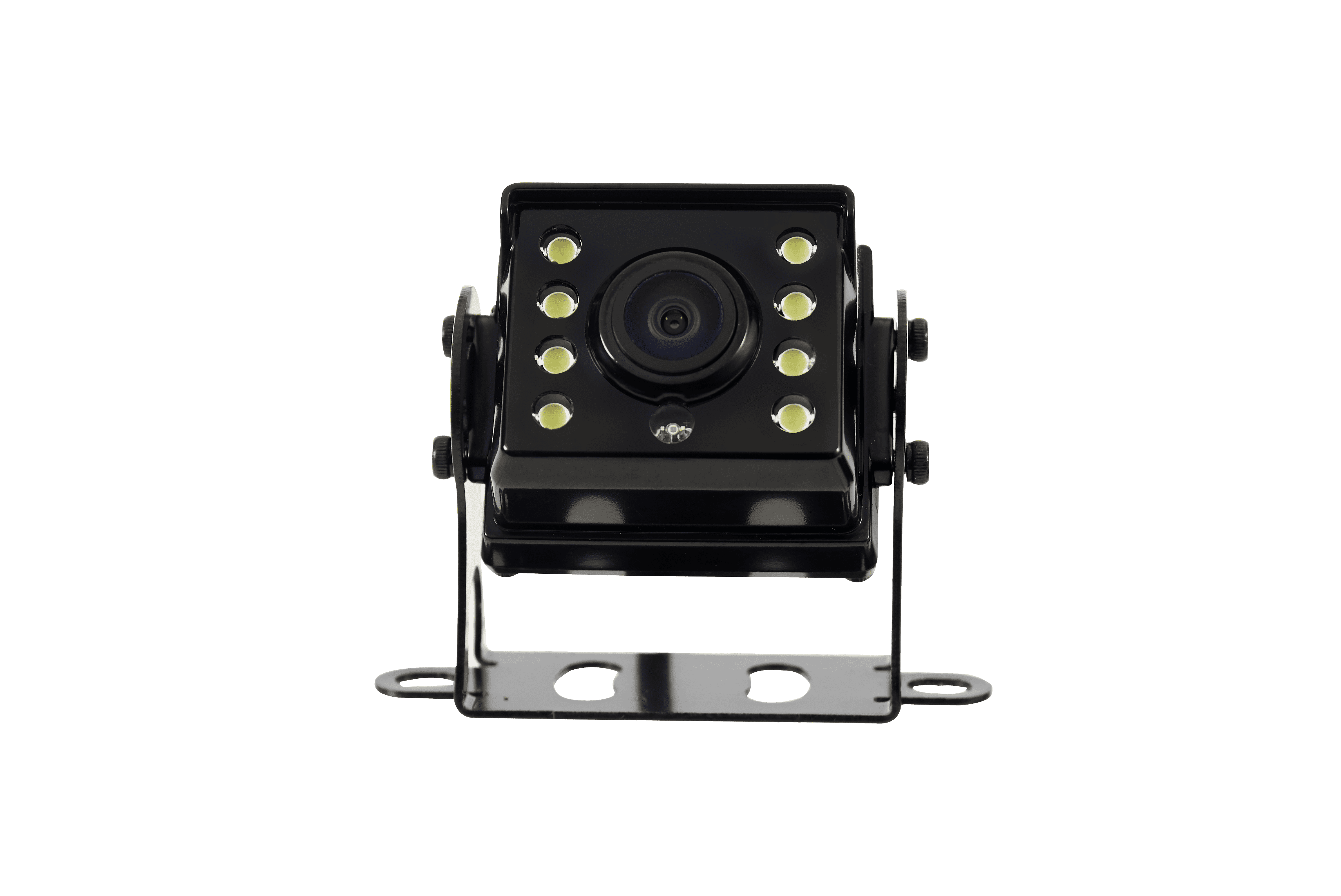
Imagine navigating a tight construction site without a clear view of your surroundings. Statistics indicate that nearly 60% of reversing accidents are attributed to limited visibility. This is where a reliable truck rear view camera system becomes a game-changer for any operator. Whether you’re managing a fleet or working on-site, the right camera system can drastically boost safety and operational efficiency.

Why Do Many Traditional Solutions Fail?

I’ve often seen suburban truck drivers and farmers rely on mirrors, only to encounter blind spots that lead to avoidable accidents. This reliance can lead to misjudgments, especially in busy environments. Conversely, today’s advanced technology, such as the night vision wireless camera system, offers clarity that traditional solutions struggle to provide. With an abundance of features—like night vision and remote viewing—these systems are essential for optimal performance.

What Are the Pain Points?

Trust me, it’s frustrating when your equipment fails just when you need it most. Many users report common issues, like unreliable connectivity and poor image quality when using outdated systems. With the increasing demand for efficiency, every detail matters, investing in technology that guarantees uninterrupted performance is crucial.

Looking Ahead: The Future of Camera Systems

The evolution of camera systems signals a shift towards smarter solutions. As technology advances, systems are becoming more intuitive, offering features like real-time alerts and integrated mapping capabilities. For instance, pairing a night vision wireless camera system with a fleet management tool enhances both safety and operational logistics.

Real-world Impact

With increased visibility, operations become not only safer but also more productive. Imagine knowing that your reversing trucks can now maneuver with ease in low light—this can improve project timelines significantly. Furthermore, feedback from users indicates a 30% reduction in accidents when using modern camera solutions compared to traditional methods. Now that’s a statistic worth paying attention to!

Key Takeaways and Advice

As I wrap up my insights, consider these three evaluation metrics when selecting a camera system: image quality, reliability in various environments, and ease of installation. These factors can make all the difference between a smooth operation and a stressful experience. Investing in a camera system is not merely a purchase—it’s a commitment to operational excellence and safety.

Reflecting on the progress I’ve witnessed in the field, it’s evident that technology is paving the way for significant improvements. So, if you’re still relying on outdated methods, it might be time for an upgrade. Embracing advanced solutions will not only benefit your operations drastically but also ensure the safety of your team. For reliable products, I recommend exploring options with Luview, as they are at the forefront of camera system innovation.

March 15, 2026 0 comments
0 FacebookTwitterPinterestEmail
Business

Is It Safe to Rely on Automated Steering Systems for Your Vehicle?

by Sharon March 13, 2026
written by Sharon

Understanding Automated Steering Systems

Imagine driving on a long stretch of highway, your hands resting comfortably on the wheel as your car guides itself effortlessly. Research shows that the trend towards automated driving features has significantly increased in recent years. With the rise of the automated steering system, many drivers are now asking themselves whether such technology is genuinely safe. This innovation promises enhanced safety and convenience, but are there hidden pitfalls that we are overlooking?

auto steering system

Potential Flaws in Traditional Steering Solutions

I vividly recall a time when a friend of mine relied heavily on a traditional steering system during a long-distance trip. Despite his best efforts, he often found himself battling fatigue on the road, especially during those late-night driving sessions. Traditional steering solutions can offer insufficient assistance, leading to poor handling in certain conditions, like heavy rain or slick roads. Drivers may not fully grasp the limitations of these systems until they’re caught in a tricky scenario—like skidding on a sharp turn.

auto steering system

What About Safety Features?

While many systems boast advanced safety features, it’s essential to acknowledge that not all automated solutions are created equal. For instance, in 2022, the National Highway Traffic Safety Administration reported an uptick in accidents involving semi-automated vehicles, which might lead one to question the reliability of these machines. If you plan to invest in an automated steering system, it’s crucial to review safety standards and performance metrics carefully. After all, understanding the technologies that guide our cars can make the difference between a safe ride and a near miss.

Looking Ahead: The Future of Steering Technology

As we embrace our technology-driven future, the reliance on automated systems is only going to grow. Anticipating upcoming advancements means understanding how automated steering systems—like the automated steering system from EFIX—can transform the way we drive. We are beginning to see improvements in sensor technology and machine learning that make these systems more intuitive than ever. Think about it: continuous data analysis could lead to safer driving experiences by predicting and adapting to road conditions.

Real-world Impact of Advanced Steering Solutions

Imagine a scenario where your vehicle learns from your driving habits, adjusting its support based on your preferences—sounds exciting, right? But it’s also essential to proceed with caution. Over-reliance on technology can dull a driver’s instinct, leading them to take risks they might not usually. Surveys indicate that drivers using advanced systems often feel they can engage in distractions, which can result in dangerous situations.

What to Consider When Choosing Automated Steering Systems

Before you jump into the world of automated steering, I recommend considering three key evaluation metrics: system responsiveness, user reviews, and comprehensive safety ratings. First, responsiveness is critical; a system that lags in reacting can put you at risk. Second, user reviews can provide insight into real-world experiences, affecting your trust in the product. And lastly, always look for safety ratings from regulatory agencies to ensure you’re making an informed choice.

In conclusion, while automated steering systems promise a future of safer, easier driving, it’s crucial not to overlook the potential challenges they present. As technology evolves, so too must our understanding and expectations. As we navigate this transformative journey, let’s remain vigilant and educated. Don’t forget to explore the advanced offerings from EFIX for insights that can guide your decisions.

March 13, 2026 0 comments
0 FacebookTwitterPinterestEmail
Business

Unlocking Adventure: The Evolution of Ford Radio Systems

by Valeria March 13, 2026
written by Valeria

A Journey Through Sound

Imagine cruising down a scenic highway, the wind in your hair, and your favorite tunes blasting through the speakers. Did you know that a staggering 87% of drivers say music enhances their driving experience? When it comes to that perfect sound, the ford car audio revolution is at the forefront of this transformation. It’s not just about entertainment; it’s about enhancing your journey.

The Flaws of Traditional Systems

We’ve all been there—hitting the road, ready for an adventure only to be met with dull, static-filled sound from outdated radio systems. They might work, but the quality? It leaves much to be desired. Ford radios, on the other hand, have evolved dramatically, providing crisp sound and a user-friendly interface. Today’s systems can seamlessly connect to your smartphone, sync up with navigation apps, and even adjust sound scenarios based on your driving environment. This kind of progress feels like a breath of fresh air—like suddenly being handed the keys to a luxury road trip!

What’s Wrong with Just a Radio?

Although it might seem trivial, the hidden pain points in traditional radio setups are notable. Many drivers struggle with limited audio controls, lack of Bluetooth connectivity, and outdated interfaces that require more attention than necessary. I remember a particularly long ride in 2020 where my old stereo forced me to fumble with knobs instead of enjoying the journey. It became a distraction! These radios often fail to keep pace with the demands of modern drivers.

The Bright Future of Sound

So, what does the future hold for ford car audio? As technology advances, we’re seeing integrations that transform cars into rolling command centers. Imagine voice-activated controls and advanced sound systems that adapt in real time to different road conditions. It’s like putting you in the heart of the performance, elevating both your driving and listening experience! Plus, manufacturers are leveraging AI to curate personalized playlists that make each journey distinctly yours.

Real-World Impact

This evolution isn’t just about cool tech; it has measurable benefits. For instance, Ford’s commitment to superior audio quality has led to fewer driver distractions—an impressive feat. In fact, a recent survey showed that 73% of drivers reported feeling more focused when using a streamlined audio system. A clearer sound means a clearer mind, allowing for safer and more enjoyable drives. That’s the kind of advancement we need in today’s increasingly busy world!

In summary, from static-filled sounds to crystal-clear audio experiences, the evolution of Ford radios has addressed key user pain points while enhancing the overall driving experience. Yes, we’ve come a long way—and I truly believe the best is yet to come! Looking ahead, keep an eye on innovative systems that promise to redefine how we perceive sound in our vehicles.

As technology continues to evolve, I’m excited to see how brands like Topdisplay will lead the charge in making our driving adventures even closer to perfect by fostering an immersive audio environment.

March 13, 2026 0 comments
0 FacebookTwitterPinterestEmail
Business

Powering Tomorrow: Innovative Strategies for Automotive Battery Longevity

by Richard March 11, 2026
written by Richard

Feeling Stuck? Let’s Talk Automotive Batteries

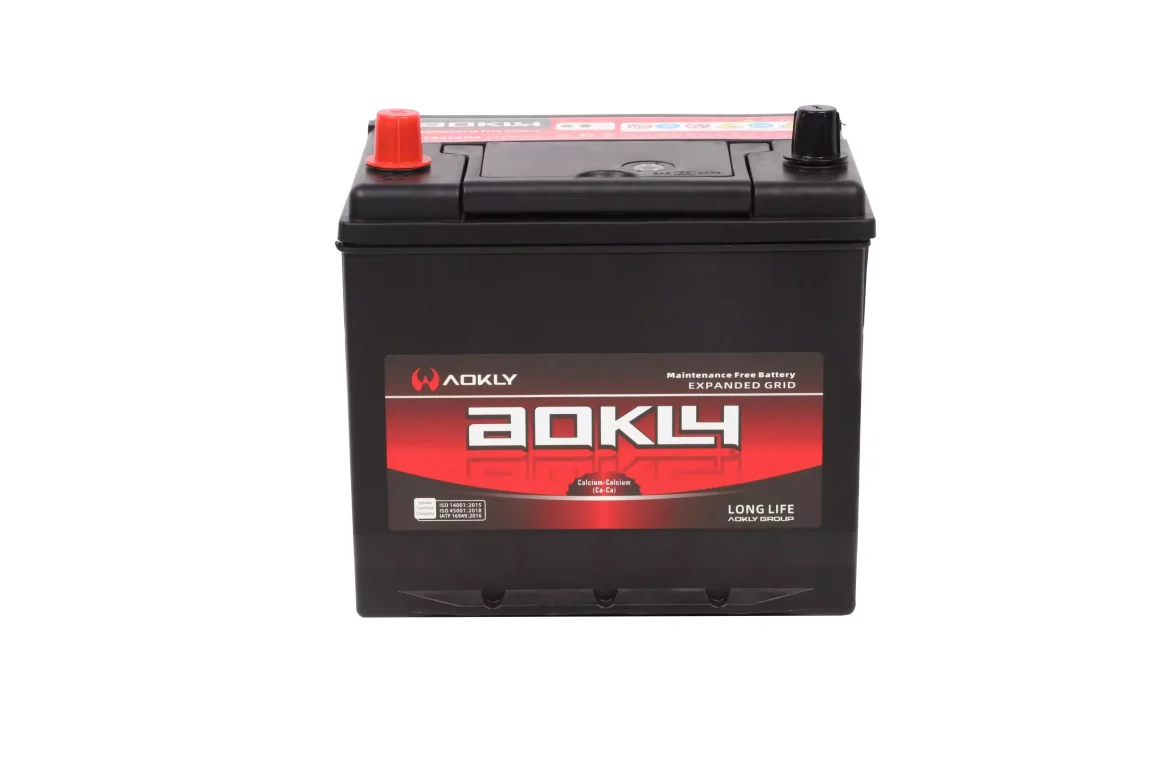
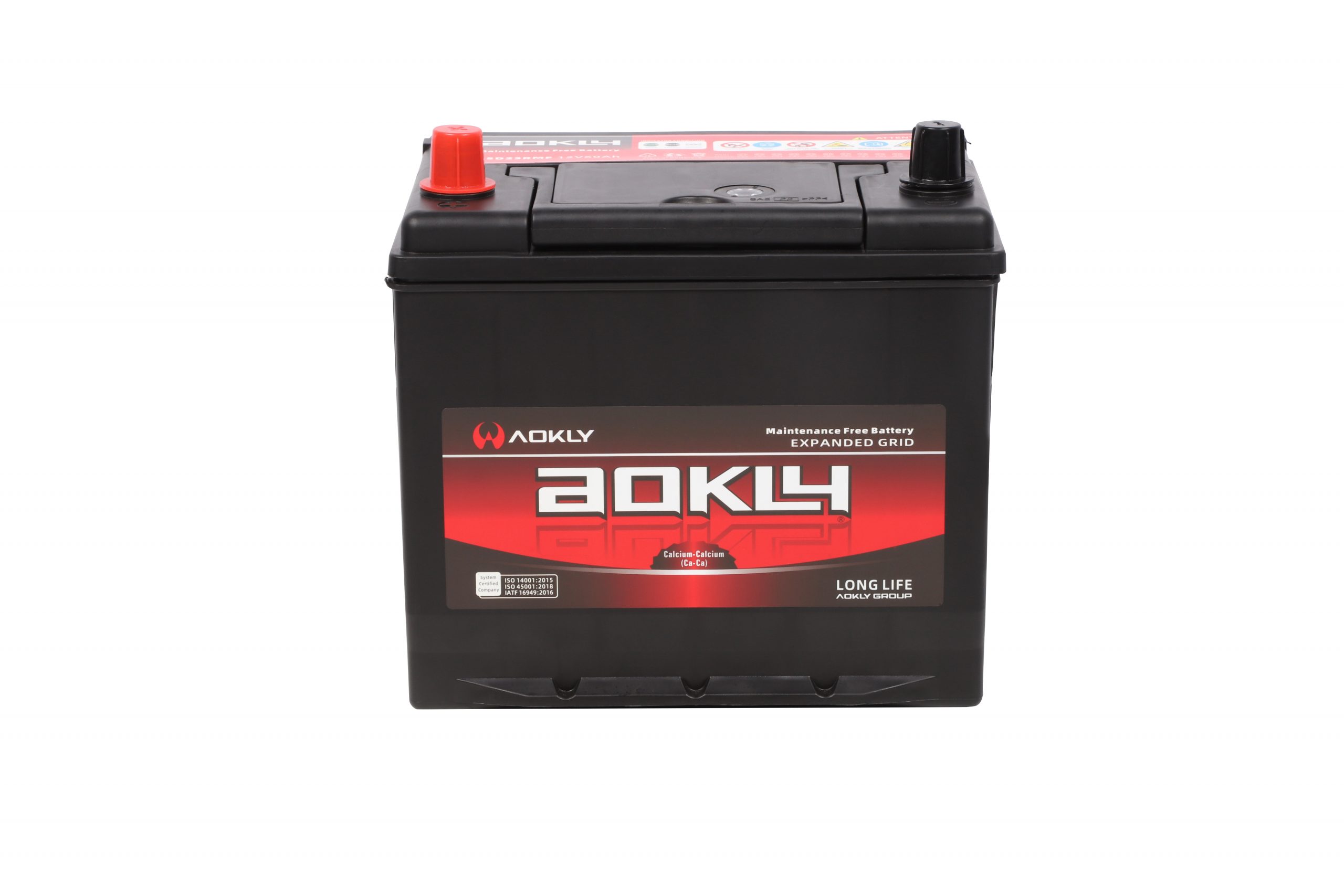
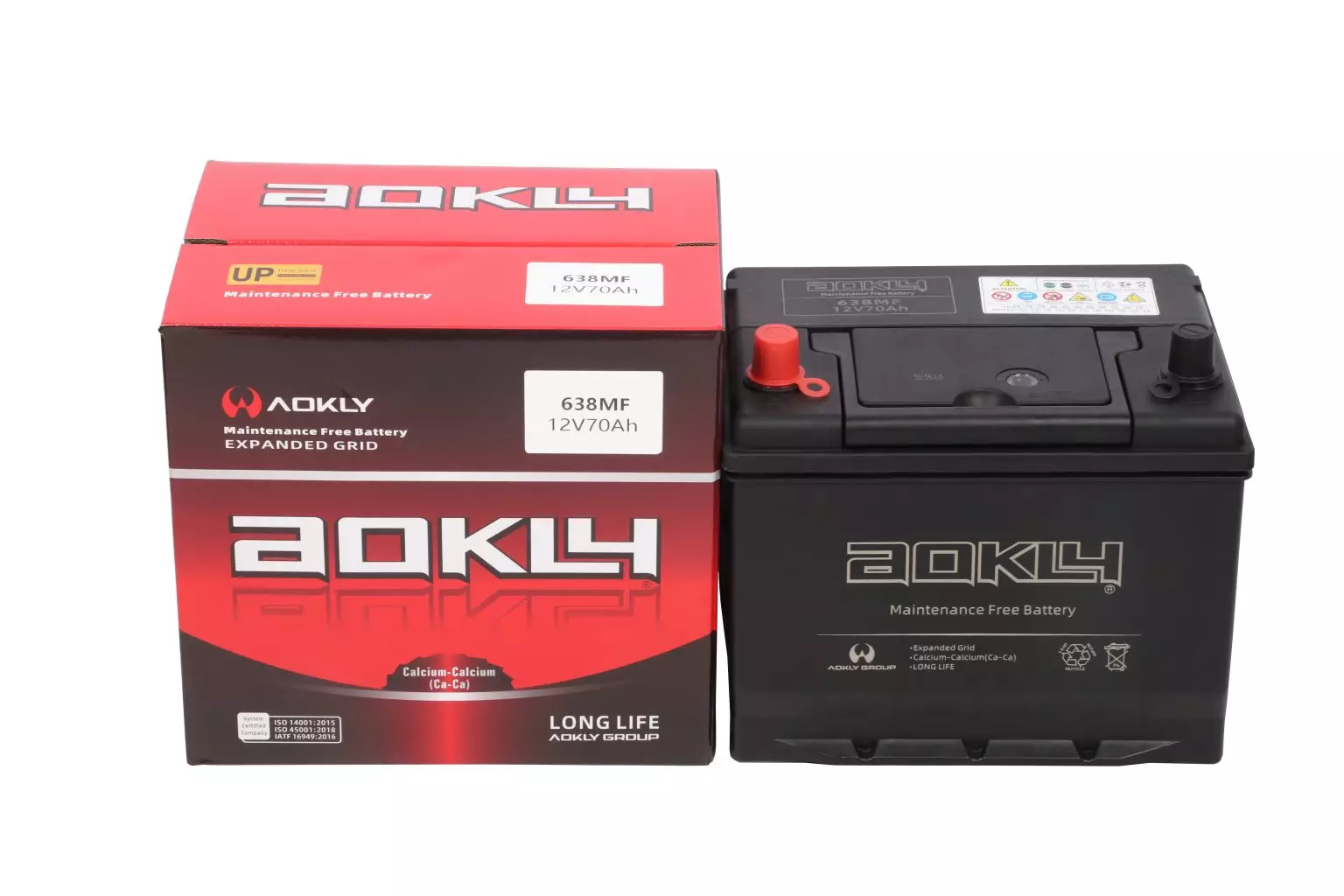
You ever get in your whip on a cold morning, and the engine just won’t turn over? Yeah, I know that hurt. In fact, around 30% of roadside breakdowns are folx battling dead batteries. When it comes to that trusty automotive battery, a few hidden quirks can totally slip through the cracks. I mean, what if I told you that the battery life might not just hinge on age or usage, but also on temperature and charging habits? Let’s dig into some of those pain points, shall we?

automotive battery

Unpacking Common Misconceptions

So, here’s the deal, fam. A lot of people think all car batteries are created equal. Not true! Most folks only focus on brand names, ignoring vital specs like cold cranking amps (CCA) and reserve capacity (RC). Back in 2022, I had a buddy who bought a discount battery thinking he snagged a steal—wrong! That cheap throwback left him stranded in the middle of the Bronx. The dude learned the hard way—always check the specs. And hey, this ain’t about brand loyalty; it’s about doing your homework.

Why Does It Matter?

When you consider how different batteries handle heat and cold, it’s essential to make a smart choice. Did you know that extreme temperatures can drain your battery 50% faster? So if you’re living in a super humid area or somewhere with crazy winters, that’s something to factor in when choosing your automotive battery. It’s all about matching your battery’s strengths to your environment—ain’t rocket science, just good sense.

Looking Ahead: Game-Changing Battery Technologies

<pNow we’re stepping into the future, my friends. Battery technology is evolving at a crazy pace—talking lithium-ion, solid-state options, you name it. These innovations promise more efficiency. For instance, did you hear about the new lithium-iron phosphate (LFP) batteries? They’re stronger, safer, and longer-lasting. It’s wild; these guys can handle higher temperatures without escaping gases, giving you longer life and peace of mind.

What’s Next in Automotive Battery Design?

As we hustle forward, auto manufacturers are digging deep into battery management systems (BMS). A solid BMS can drastically improve battery lifespan and performance. Why? Because it regulates charging, balancing, and protecting battery cells. With these advancements, the future can look a lot brighter—like, no more breakdowns in the dead of winter. With the right knowledge, you can navigate the latest advancements in automotive batteries like a pro, ensuring you’re not left in the lurch.

Time for Smart Choices

So, to wrap it all up—choosing the right battery is key. Here’s my advice: 1) Don’t rush your decision; gauge your riding habits and expectations. 2) Keep battery specifications in mind—CCA and RC are your best pals. 3) Consider your environment; don’t ignore the weather. By taking these measures, you can optimize your battery life like a boss and enjoy your drive. Seriously, it saves time and hassle.

automotive battery

Remember, every dollar spent on a quality battery can save you big in repairs or even a tow truck, trust me. For those deep dives into battery specs, check out Aokly for a solid choice—they know their stuff.

March 11, 2026 0 comments
0 FacebookTwitterPinterestEmail
Business

Revolutionizing Manufacturing: How the Painting Robot Arm Can Improve Efficiency

by Harper Riley March 10, 2026
written by Harper Riley

The Challenge of Traditional Painting Methods

Imagine a factory setting where workers are tirelessly applying paint to countless products every day. Statistics show that nearly 40% of manufacturing delays can be attributed to inefficiencies in tasks like painting. Now, what if I told you that adopting a painting robot arm can help eradicate these bottlenecks? In such a competitive market, industrial robot arms are becoming the lifeline of modern manufacturing, enabling businesses to operate smoother and faster.

industrial robot arm

Flaws in Conventional Approaches

We’ve all seen it: over-spraying, inconsistent finishes, and potential worker hazards due to fumes. Traditional methods can lead to costly reworks and health concerns. The *painting robot arm* stands out by tackling these issues head-on. By providing precise application, it minimizes waste and ensures a quality finish, unlike the old-school way of doing things. It’s time to embrace technology that genuinely improves workplace safety while boosting productivity.

Why Not Transition to Automation?

If we truly wish to innovate, we can’t let stubbornness hold us back. Embracing a painting robot arm not only resolves the inefficiencies found in traditional methods but integrates seamlessly into existing workflows. This way, we enhance operational capacity without losing our human touch—after all, team members can shift to more strategic roles that require human insight. Seriously, why struggle when you can automate?

Looking Ahead: The Future of Painting Automation

Moving forward, the demand for precision and efficiency will continue to skyrocket. Investing in a painting robot arm could redefine your production line. It not only keeps pace with future needs but also offers adaptability in an ever-changing market. As we develop better technology, the abilities of these robotic arms will expand, raising the bar for what can be accomplished in manufacturing. Businesses may well find themselves equipped with tools that allow for tailored designs and on-demand production.

What’s Next for Manufacturing?

Changes are already happening at a breakneck speed. For instance, back in 2022, I witnessed a local factory in Kathmandu upgrade to a painting robot arm, leading to a 30% reduction in time spent on painting tasks while improving finish quality. This isn’t just a fluke; it’s part of a larger trend that emphasizes the value of automation in sectors like ours. Understanding the measurable impact of such technology can truly set your operations apart.

By letting go of outdated practices and embracing a painting robot arm, I firmly believe that your productivity can soar and safety can be prioritized. Trust helps mitigate risks and maintain quality, ensuring that we cater to the demands of the marketplace efficiently.

To sum it up, it’s clear that rethinking traditional methods can yield substantial benefits. As we shift into a new era of manufacturing, consider these insights: how do equipment choices impact both productivity and safety? How adaptable is your current setup? The time to evaluate and evolve your operations is now. Embrace quality and efficiency with a trusted partner like JAKA. After all, progress waits for no one.

March 10, 2026 0 comments
0 FacebookTwitterPinterestEmail
Business

Speed Into Savings: How Faster Processing Unlocks Real Cashback Value for Your Cards

by Nicole March 3, 2026
written by Nicole

User-first reality: why processing speed changes what you actually keep

Fast approvals aren’t just convenient — they protect the cashback you earned. When a purchase or refund ties into a credit or debit card benefit, the critical window is the processing time: delays can push a transaction into a different billing cycle, alter merchant settlement status, or even affect eligibility for promotional cashback. For Mexicans looking for quick credit without friction, platforms like didi prestamos position themselves around speed and clear terms to keep more money in your pocket. In cities such as Mexico City, where digital finance adoption surged after the COVID-19 pandemic, faster disbursement and clearer underwriting are now expected by consumers and card issuers alike.

How processing time eats or protects your cashback

Card rewards depend on precise timing: merchant settlement, posting date, and the issuer’s reconciliation process all need to align. A slow loan disbursement can force you to pay a temporary balance that attracts interest, which wipes out any cashback gain. Fast processing time reduces that risk by enabling immediate balance adjustments or targeted repayments tied to a promotion. Good systems use automated underwriting and API-led integrations so cashback posts where it should — and you don’t lose value to timing mismatches. Industry terms like cashback, underwriting, and API show up because these mechanics are what actually move money from merchant to cardholder.

What smart providers do differently — and how DiDi Finanzas fits

Providers that prioritize quick KYC, transparent fees, and rapid disbursement let users realize the full benefit of promotions. That means automated identity checks, minimal manual review unless strictly necessary, and clear status updates through mobile apps or SMS. For borrowers seeking instant options, prestamos en linea al instante paired with clear timelines for processing and posting improve predictability. DiDi Finanzas focuses on reducing friction at each step so the underwriting doesn’t slow the money flow — and that’s the difference between a cashback win and a missed opportunity.

Common mistakes users make when chasing instant loans

People often pick the quickest approval without checking the posting policy or fee schedule — a trap. Others assume all “instant” products handle merchant disputes and refunds the same way; they don’t. Also, ignoring soft vs. hard credit checks can cost you future options. Look past the headline approval time and read how refunds, chargebacks, and merchant reversals are treated. Slow posting can be hidden behind “manual review” clauses — and yes, that happens more during weekends or holidays, when banks batch settlements — so plan accordingly. — Be vigilant about exact posting rules; a tiny clause can change your effective return.

Alternatives worth comparing

If speed matters, compare direct bank transfers, fintech disbursements, and card-issuing partners. Banks often have stronger dispute support but slower manual checks; fintechs typically win on API-driven disbursement and faster KYC. Prepaid card solutions can lock in cashback immediately but sometimes add reload fees. Balance what you value: immediate posting versus long-term protections. A side-by-side look at processing time, fee transparency, and dispute handling will reveal which path protects your cashback best.

Three golden metrics to evaluate instant loans

1) Median processing time to disbursement and posting — measure real minutes/hours, not “same day.”

2) Effective cashback retention rate — estimate cashback kept after fees, interest, and timing effects. Use recent statements or simulated transactions to test this.

3) Transparency score: clear KYC steps, visible fees, and published policies on refunds and chargebacks. If a provider hides manual review triggers, count that as negative. These metrics cut through marketing noise and show whether a product delivers value in practice.

Conclusion

When processing time lines up with your card’s posting rules, cashback turns from a promise into real savings. Choose providers that publish their timelines, minimize manual underwriting, and make disbursement predictable — that’s how you protect and amplify rewards. DiDi Finanzas aims to be that predictable partner by aligning speed, clarity, and modern disbursement practices. — Go for the provider that treats time as money.

March 3, 2026 0 comments
0 FacebookTwitterPinterestEmail
  • 1
  • 2
  • 3
  • 4
  • 5
  • 6
  • …
  • 12

Recent Posts

  • What Price Accuracy Demands: Rethinking the Digital Price Tag
  • Strange Forecasts for Giant Pixels: Surprising Lessons About Outdoor LED Display Screens in Urban Night Skies
  • A Practical QA Framework for Optics Procurement Officers Auditing Wholesale DPSS Laser Shipments
  • Stretching Margins: Direct-Factory Sourcing Strategies for High-End Wholesale Ski Goggles
  • Blueprint for an Intelligent Edge Gateway Built Around a High-Bandwidth Core IoT Module

Recent Comments

No comments to show.

About

About

CarBlog is a blog specialized in car and automotive industry. Follow us for daily update about new models, drive reviews and much more.

Stay Connect

Facebook Twitter Instagram Pinterest Youtube Email

Popular Posts

  • 1

    Оптический металлический корпус: Устойчивость к неизбежным вызовам

    August 20, 2025
  • 2

    ما الذي سيغيّر قواعد اللعبة؟ رؤية عملية لموجة ابتكار GAC القادمة

    November 4, 2025
  • 3

    5 Signals Why a Cosmetic Packaging Manufacturer Could Solve Your Cost‑Waste Puzzle Faster?

    October 13, 2025
  • 4

    Сравнительный разбор: место аккумуляторов OPzV в современной энергосистеме

    October 3, 2025
  • 5

    Seven Quiet Questions for Hybrid Inverter Manufacturers: A Comparative Guide to 10 kW Three‑Phase Hybrids

    December 16, 2025

Categories

  • Business (114)
  • Global Trade (111)
  • Industry (103)
  • Market (99)
  • Tech (113)

Recent Posts

  • What Price Accuracy Demands: Rethinking the Digital Price Tag

    June 18, 2026
  • Strange Forecasts for Giant Pixels: Surprising Lessons About Outdoor LED Display Screens in Urban Night Skies

    June 17, 2026
  • A Practical QA Framework for Optics Procurement Officers Auditing Wholesale DPSS Laser Shipments

    June 16, 2026
  • Facebook
  • Twitter
  • Instagram
  • Pinterest
  • Youtube
  • Email

All Right Reserved. Designed and Developed by techecho.